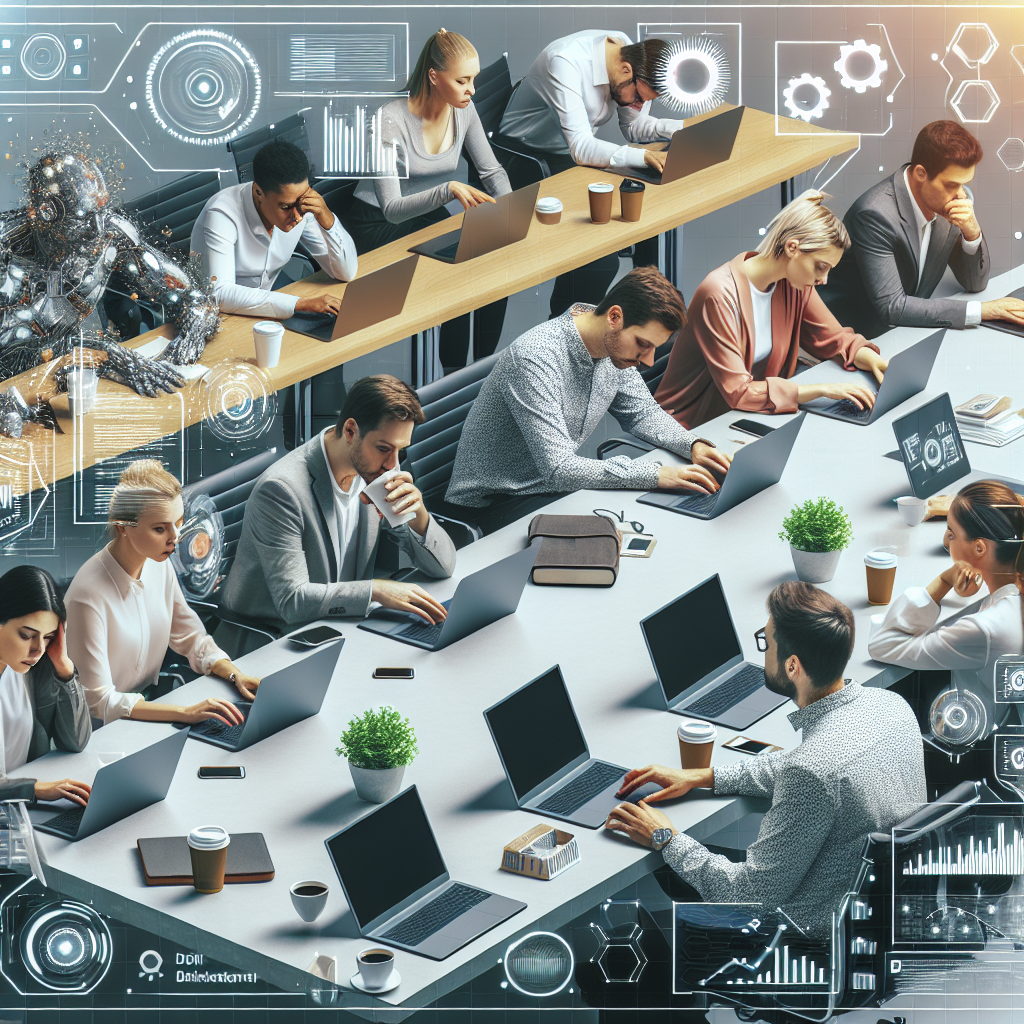
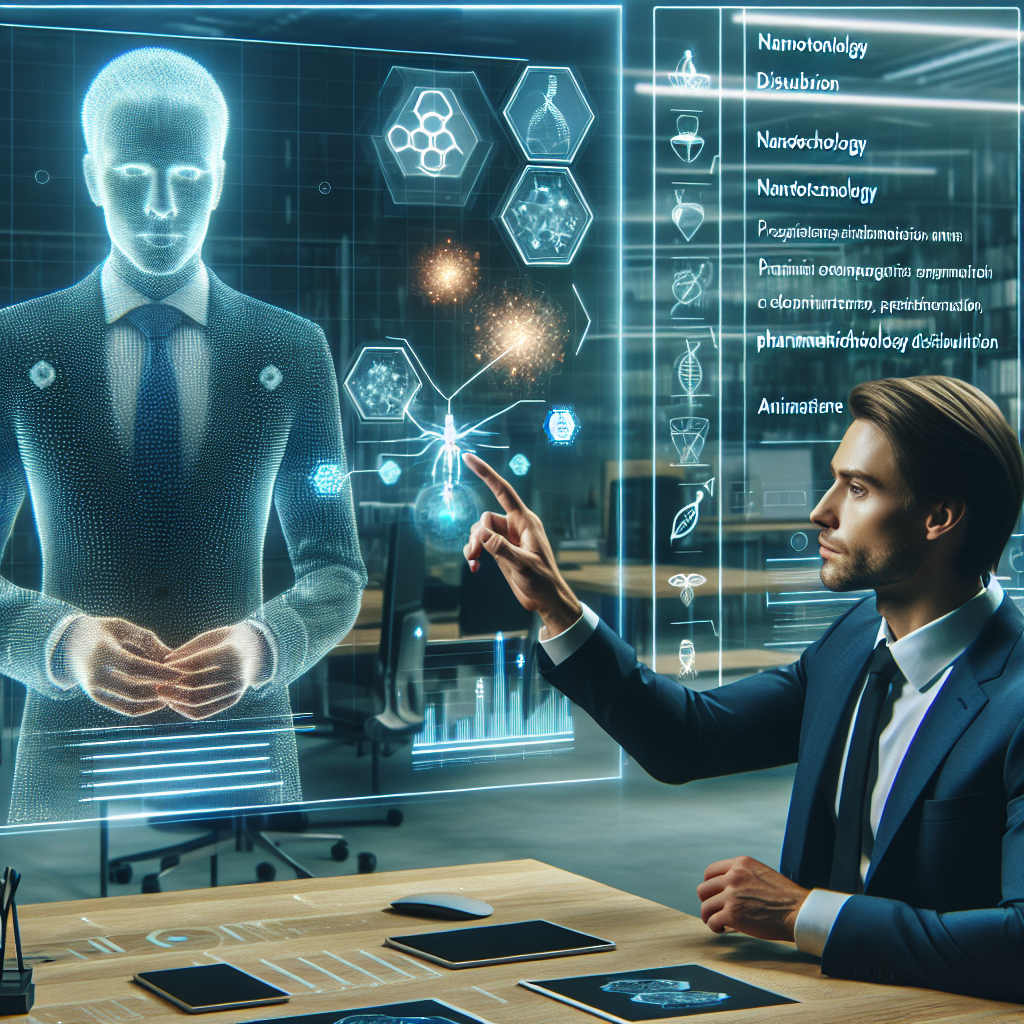



The Night Shift: Startup Launches AI to Prevent Overtime—Is This a New Era or Just Another Tech Gimmick?
By StartupKorea Business Desk | Apr 26, 2026 Startup Aims to Block Late-Night Work with AI TechnologyIn a bold move that has left industry observers questioning whether to applaud or to roll their eyes, a new startup, NightGuard AI, has ann...

By StartupKorea Business Desk | Apr 26, 2026
Startup Aims to Block Late-Night Work with AI Technology
In a bold move that has left industry observers questioning whether to applaud or to roll their eyes, a new startup, NightGuard AI, has announced a pre-IPO fundraising round of 120 billion won ($100 million) dedicated to developing an artificial intelligence system designed to prevent employees from working late. The launch comes at a time when the global conversation around work-life balance has never been more fevered—raising the question: is this a much-needed technological breakthrough or merely a high-priced distraction?
A Glimpse into the AI’s Functionality
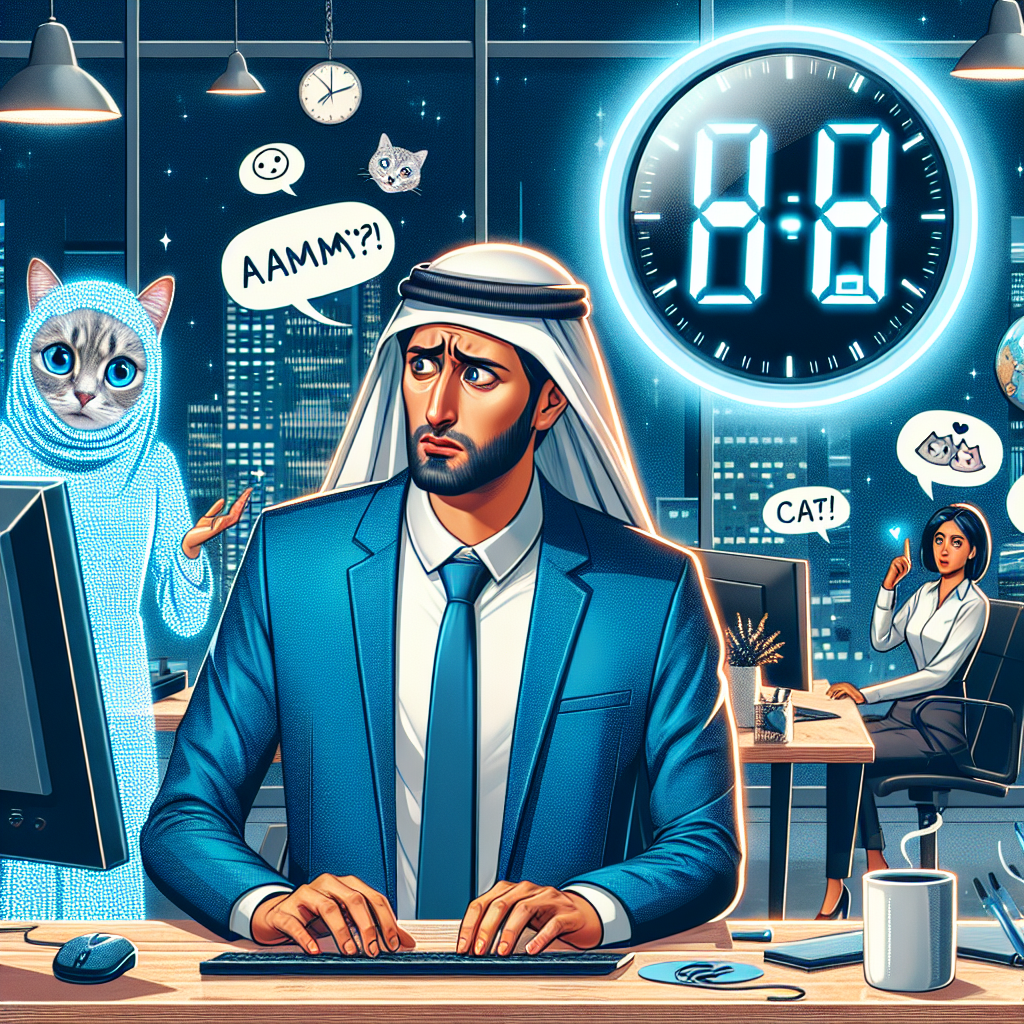
NightGuard AI claims to utilize sophisticated sleep pattern detection algorithms that monitor users' lifestyle habits—from caffeine consumption to late-night screen time. According to CEO David O’Reilly, “Our AI doesn’t just prevent you from working late; it actively sabotages your productivity by sending you absurd memes or unsolicited cat videos whenever it detects impending overtime.”
The startup argues that by deploying such tactics, it effectively ensures that employees head home at a reasonable hour, thereby boosting overall morale and diminishing burnout. However, critics argue that the mere act of intercepting a late-night work email could easily backfire, transforming individuals into the workplace’s equivalent of a toddler throwing a tantrum when told it’s bedtime.
The Market Context: Is Overtime the New Black?
In a labor market that has seen a 15% increase in remote work since 2020, the demand for solutions to combat overwork has surged. A 2025 survey indicated that nearly 70% of employees report feeling pressured to work after hours, leading to a veritable epidemic of “workaholism.” As companies scramble to invest in employee well-being, the question remains: can an algorithm truly replace the human need for boundaries?
Despite the overwhelming need, some analysts see potential pitfalls in NightGuard’s ambitious approach. Financial analyst Linda Grey remarked, “The idea is compelling, but relying on technology to enforce work-life balance may lead to unforeseen complications, like employees devising elaborate workarounds or simply disabling the app altogether.”
Investor Sentiment: Can They Sell This Vision?
NightGuard’s recent pre-IPO funding round attracted significant interest from venture capitalists eager to jump on the well-being tech bandwagon. “Investing in this startup is like buying shares in the concept of happiness,” quipped venture capitalist Eric Tan, who led the funding round. “If they can sell fear of overwork, they can sell anything!”
However, a closer examination reveals some investors are skeptical. “While the concept resonates with our current zeitgeist, we need to be wary of any tech that assumes it knows what’s best for us,” stated another investor who preferred to remain anonymous, perhaps out of fear of being swept away by the tide of AI praise.
Risks and Challenges: Can AI Truly Understand Humans?
Critics of NightGuard AI also raise essential questions about the inherent risks of relying on an algorithm to monitor personal habits. As the company embarks on a mission to protect our precious sleep, one must wonder: Can a machine truly comprehend the nuanced complexities of human behavior? What if the AI, in its zeal to prevent late-night work, inadvertently triggers a binge-watch of the latest reality TV show?
Moreover, ethical implications loom large. As one industry analyst pointed out, “The very last thing we want is for employees to view a productivity tool as a digital babysitter that’s constantly judging their time management skills.”
The Absurdity of Preserving Work-Life Balance
As NightGuard AI gears up for its IPO, the notion of technology as a savior in the battle against overwork raises eyebrows. For some, the concept of an AI policing work habits seems ripe for satire. Will we soon find ourselves at the mercy of algorithms that dictate when we should relax and when we should be productive? Perhaps we are just one poorly-timed alert away from a new workplace rebellion.
In conclusion, while NightGuard AI's efforts to prevent after-hours toil may sound like a utopian dream, the road to a healthier work-life balance is fraught with complications. If the startup can navigate these challenges wisely, it might just find itself at the forefront of a revolution—or become another footnote in the annals of startup history, drowned in a sea of half-baked tech ideas.
What's Your Reaction?
 Like
0
Like
0
 Dislike
0
Dislike
0
 Love
0
Love
0
 Funny
0
Funny
0
 Angry
0
Angry
0
 Sad
0
Sad
0
 Wow
0
Wow
0

![[Jeon Hwa-seong's Startup Morning Coffee #1210] Startup Innovation Leading the Future](https://www.startupkorea.kr/uploads/images/202512/167_4a76beeb6f7d4.png)