
Has the Future Arrived? AI Virtual Employees and Nanobots Rewrite the Rules of Labor and Medicine
By StartupKorea Business Desk | Apr 26, 2026 AI Virtual Employees and Nanobots: The Strange New World of Work and HealthIn a twist that could only be concocted by a caffeine-fueled boardroom, two startups have emerged from the shadows, prom...

By StartupKorea Business Desk | Apr 26, 2026
AI Virtual Employees and Nanobots: The Strange New World of Work and Health
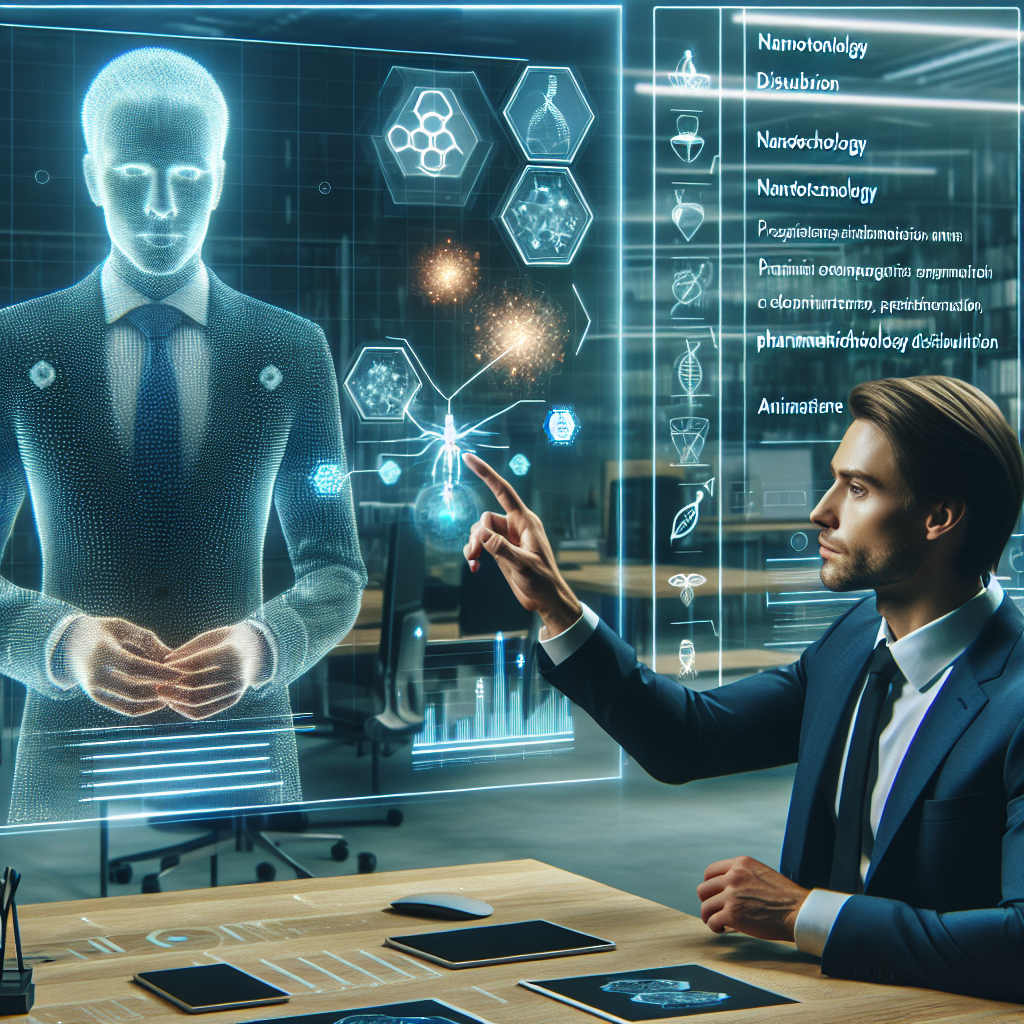
In a twist that could only be concocted by a caffeine-fueled boardroom, two startups have emerged from the shadows, promising to reshape our notions of labor and health. On April 26, 2026, TechCorp announced a partnership with NanoHealth, unveiling a groundbreaking initiative that combines AI virtual employees with intra-body drug delivery nanobots. Investors, it seems, have suddenly found a new passion project amid the chaos of an unpredictable economy.
The Investment Landscape
The deal reportedly involves a staggering $500 million investment from a coalition of international sovereign wealth funds, keen to capitalize on this bizarre fusion of technology. Crypto enthusiasts are now considering whether they should switch their portfolios to focus on nanobots and virtual assistants, essentially betting on whether robots or humans will take up space in their homes—or, perhaps, their bloodstream.
“We’re witnessing an unprecedented convergence,” declared TechCorp CEO Linda Wang in a press release, which was likely crafted with a hint of irony and a generous side of optimism. “The future of work and health is no longer confined to the physical realm. Why hire a human employee when you can have a virtual assistant managing your schedule while a nanobot administers your vitamins?”
Market Context and Growth
According to recent industry reports, the virtual employee market is projected to grow by 35% annually over the next five years, while the global nanotechnology sector is expected to reach $125 billion by 2030. The numbers are as enticing as they are perplexing. Who knew that the future of work could coexist so comfortably with, well, tiny robots swimming through our veins?
Banking analysts, usually the sober voices of reason, are quick to highlight the potential: “AI virtual employees can reduce operational costs by 40%, and nanobots could revolutionize drug delivery, making treatments more effective and less invasive,” mused investment strategist John O’Reilly. “But when you start combining those two innovations, well… let's just say we’re entering the realm of science fiction.”
Risks and Concerns
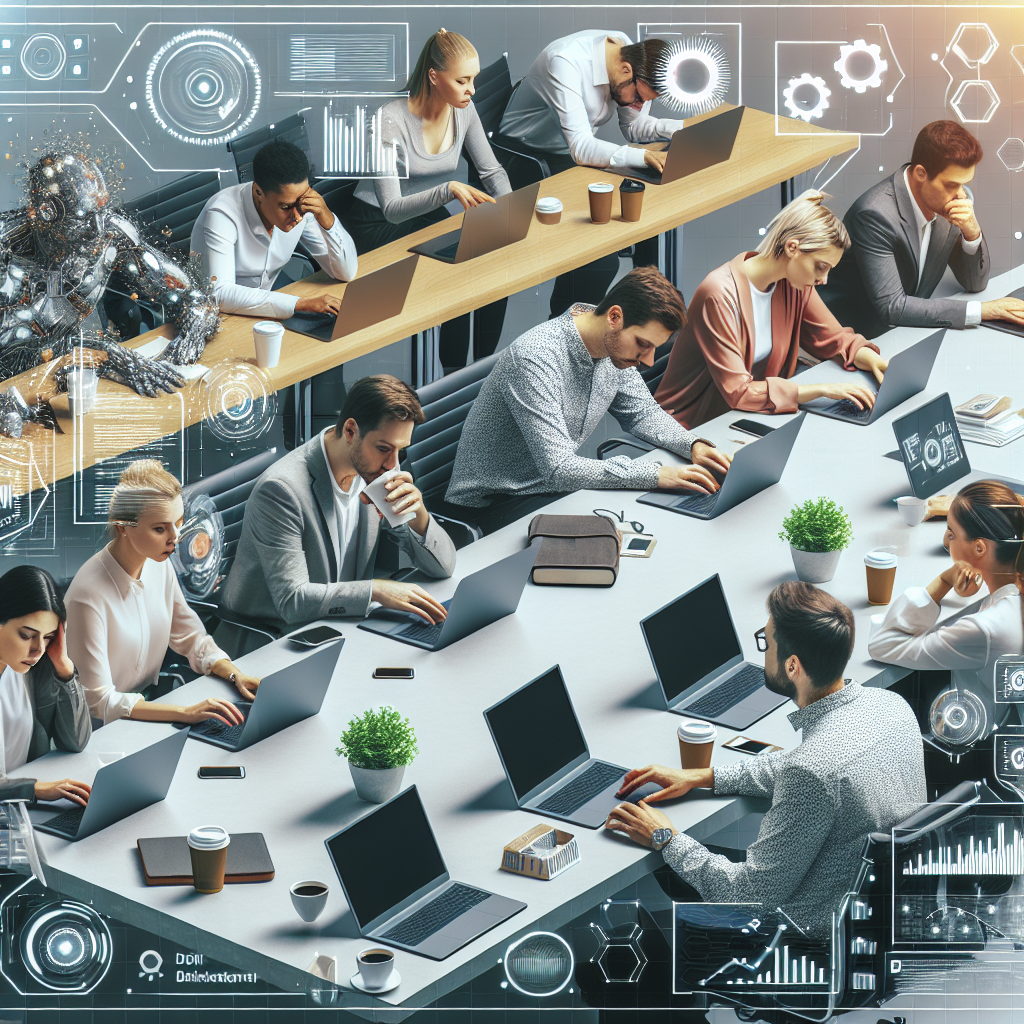
While the finance world cheers, some experts are raising eyebrows. The integration of AI and nanotechnology raises a host of ethical and operational challenges that might make even the most hardened investor reconsider their bets. What happens if the virtual assistant malfunctions during a crucial meeting? Will the nanobot mistakenly administer a dose of tranquilizer instead of a morning vitamin?
“We’re not just talking about efficiency here; we’re discussing the implications of putting technology into our bodies,” warned bioethicist Dr. Sarah Elwood. “The intersection of AI and health is a delicate dance, and it’s important we don’t step on our own toes.”
Opposing Viewpoints
Critics are also voicing concerns about job displacement. If AI virtual employees can handle 90% of routine tasks traditionally performed by humans, what happens to the workforce? Will society morph into a dystopian landscape where humans are replaceable cogs in an ever-accelerating machine? “This isn’t just innovation; it’s labor cannibalism,” lamented labor rights advocate Tom Reed. “We should be wary of embracing technology that discards human workers like yesterday's news.”
The Future: A Blurred Horizon
As we plunge headfirst into this brave new world of AI and nanotechnology, it seems we are caught between the thrill of innovation and the sobering realities of its consequences. Perhaps it’s time to start thinking about a career change—although it’s hard to compete with a virtual assistant who never needs a lunch break.
In the end, the fascinating intersection of AI virtual employees and drug-delivering nanobots is not just a story of technological advancement but a reminder of the unpredictable nature of modern capitalism. Whether this phenomenon signals a new utopia or a technological dystopia remains to be seen. One thing is for sure: the robots are coming, and they’re bringing tiny friends.
What's Your Reaction?
 Like
0
Like
0
 Dislike
0
Dislike
0
 Love
0
Love
0
 Funny
0
Funny
0
 Angry
0
Angry
0
 Sad
0
Sad
0
 Wow
0
Wow
0

![[Jeon Hwa-seong's Startup Morning Coffee #1210] Startup Innovation Leading the Future](https://www.startupkorea.kr/uploads/images/202512/167_4a76beeb6f7d4.png)