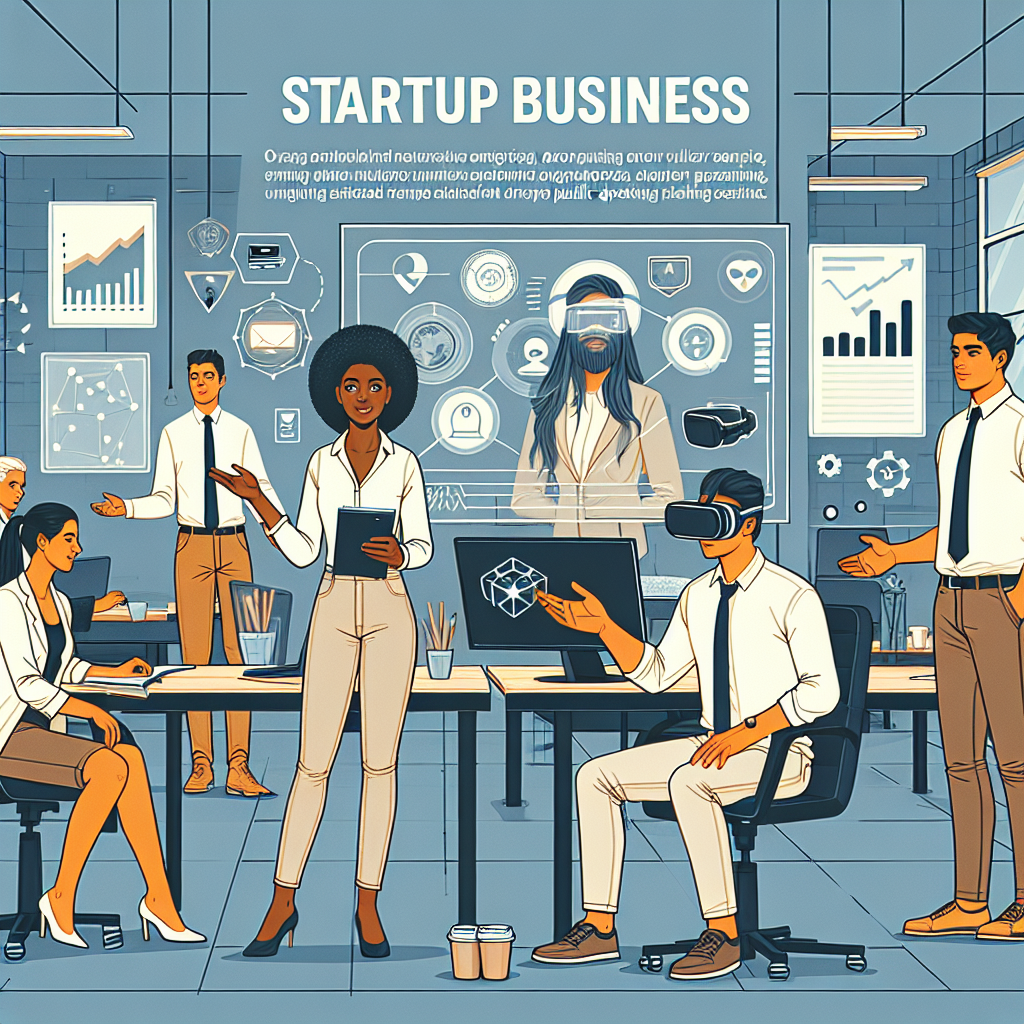




Meet Your Future Self: The Startup Turning Self-Reflection into a Subscription Service
By StartupKorea Business Desk | Apr 25, 2026 A Glimpse into Tomorrow: The Future Self App Revolutionizes Self-ReflectionIn a world where introspection has become a luxury item, a new startup is positioning itself to capitalize on our collec...


By StartupKorea Business Desk | Apr 25, 2026
A Glimpse into Tomorrow: The Future Self App Revolutionizes Self-Reflection
In a world where introspection has become a luxury item, a new startup is positioning itself to capitalize on our collective obsession with self-improvement. The aptly named "Future Self" app, which allows users to chat with simulated versions of themselves from five years hence, has just secured $10 million in project financing from various venture capitalists, eager to see if this concept can survive the gauntlet of market realities.
The Allure of Future Conversations
Founded by tech visionary and self-proclaimed life coach, Jessica Delaney, Future Self aims to cater to the 85% of Americans who claim they would make better life choices if only they could have a tête-à-tête with their more enlightened selves. “Why settle for a mediocre existence when you can have a conversation with a version of yourself that’s already succeeded?” Delaney mused during a recent press briefing, her enthusiasm palpable.
Market Dynamics and Potential
The global self-improvement market is currently valued at approximately $13 billion, growing at a projected CAGR of 6.5%. With a target demographic that spans Generation Z and millennials, Future Self taps into an audience that is perpetually distracted yet infinitely curious about their potential. The app’s unique selling proposition? The ability to interact with a user’s future self through a combination of AI-driven responses and predictive analytics.
Investors Jump on the Bandwagon
Investors are showing enthusiasm for the concept, with venture capital firm Future Ventures leading the funding round. “The Future Self app represents a unique intersection of technology and the innate human desire for reflection and improvement,” said lead investor Mark Chen. “It’s like therapy, but with a timeline.”
Technological Innovations: The Next-Gen Electrolysis Engine
What sets the Future Self app apart is its integration with a next-gen electrolysis engine that claims to enhance the AI’s responsiveness. This technology, which converts water into a “happiness catalyst,” is still in its beta phase, leading some analysts to scratch their heads in skepticism. “If it sounds too good to be true, it probably is,” stated industry analyst Linda Roth. “But I do appreciate their commitment to innovation, however misguided.”
Risks and Skepticism
Despite the optimism, critics caution that the app’s premise may not hold up under scrutiny. With mental health professionals warning against the dangers of virtual self-actualization, the potential for disillusionment looms large. “Imagine talking to a future self that’s equally confused and still hasn't paid off their student loans,” joked Dr. Samuel Hayes, a psychologist. “The conversation might not be all that enlightening.”
Consumer Demand: A Double-Edged Sword
Consumer demand for such apps is paradoxical. On one hand, the allure of a more successful self can be irresistible; on the other, the fleeting nature of digital interactions may leave users feeling more isolated than before. Market research shows that 73% of young adults express a desire for self-improvement tools, but only 30% follow through on such apps long-term.
A Glorious Future or a Fading Trend?
As Future Self positions itself at the intersection of technology and personal development, one question remains: will it become a tool of enlightenment or merely another app collecting digital dust on our smartphones? The coming months will be telling, as user feedback and market performance will determine if our future selves are indeed worth chatting with.
- Current self-improvement market value: $13 billion
- Projected CAGR: 6.5%
- Recent funding secured: $10 million
- Target demographic: 85% of Americans
With millions in funding and a dubious technological edge, Future Self embodies the quintessential startup ethos: if it’s absurd, then it’s likely to attract funding and attention. In a society increasingly obsessed with the notion of self, perhaps the best future is simply one where we continue to question the validity of our most optimistic assumptions.
What's Your Reaction?
 Like
0
Like
0
 Dislike
0
Dislike
0
 Love
0
Love
0
 Funny
0
Funny
0
 Angry
0
Angry
0
 Sad
0
Sad
0
 Wow
0
Wow
0