


AI Tax Advisors and Lawyers: The Emotional Labor Revolution You Never Knew You Needed
By StartupKorea Business Desk | Apr 24, 2026 The Rise of AI-Driven Emotional Labor AgenciesIn a bold move that promises to redefine the emotional labor landscape, a new startup has emerged, offering AI tax advisors and AI lawyers as substit...

By StartupKorea Business Desk | Apr 24, 2026
The Rise of AI-Driven Emotional Labor Agencies
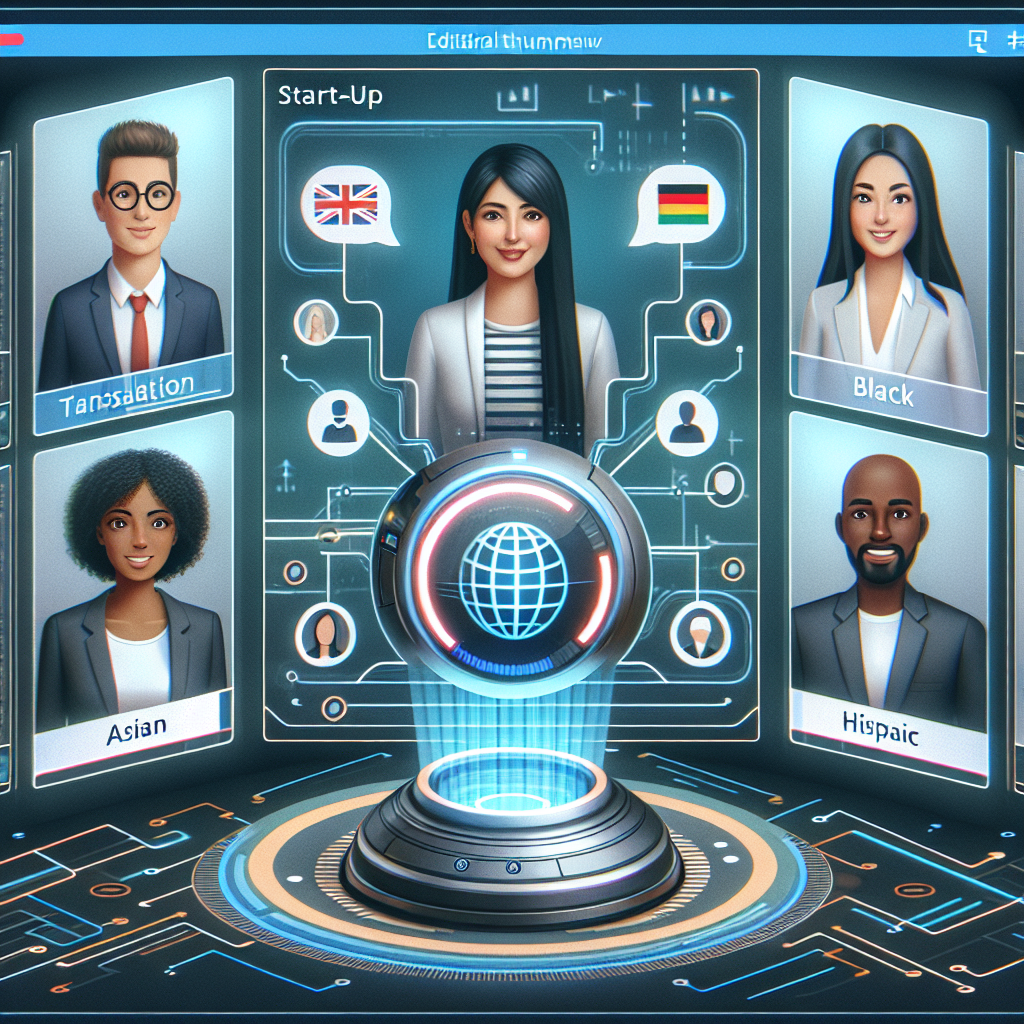
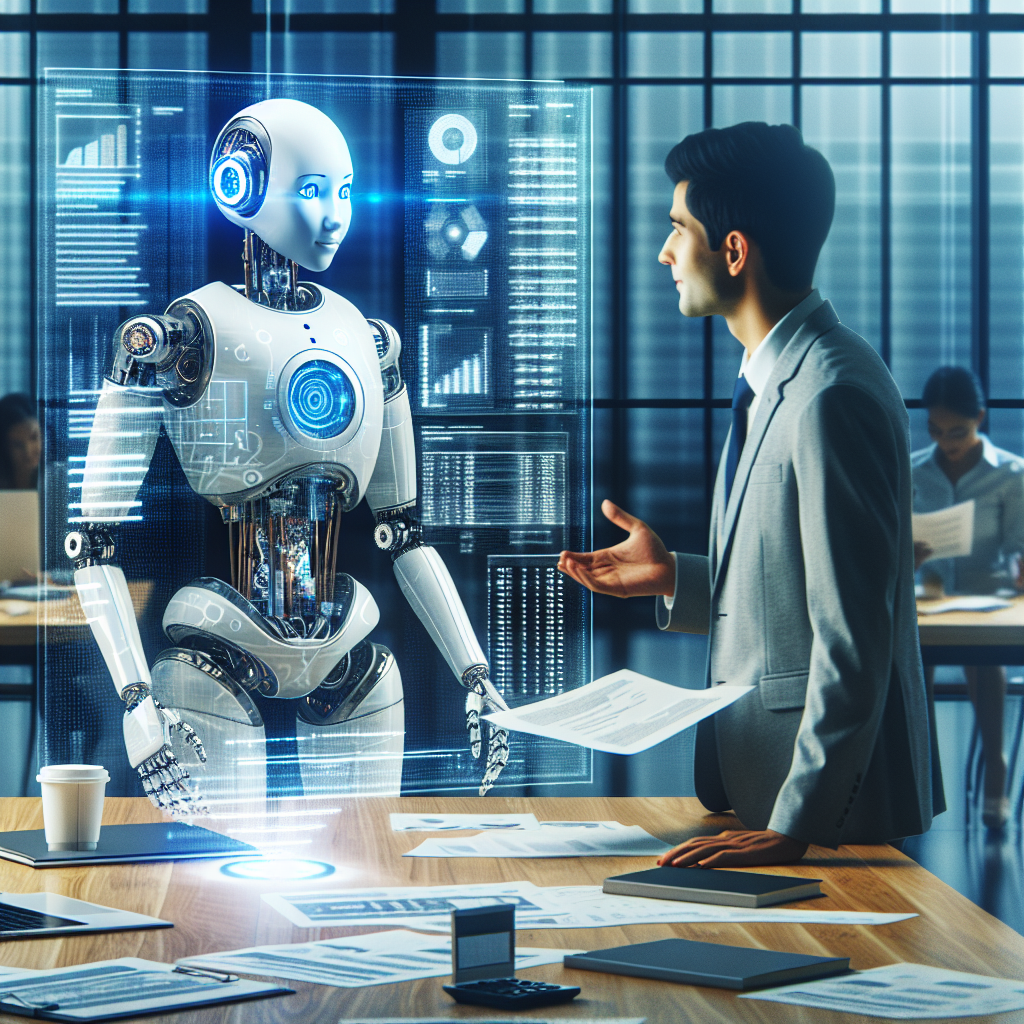
In a bold move that promises to redefine the emotional labor landscape, a new startup has emerged, offering AI tax advisors and AI lawyers as substitutes for their human counterparts. With an impressive angel investment round of 8 billion won, this venture, dubbed 'EmotiTech', aims to alleviate the burdens of emotional labor while simultaneously capitalizing on the increasingly AI-centric economy. Why now? The company argues that the human touch in legal and financial advisement is overrated—especially when an algorithm can do it faster, cheaper, and with just a fraction of the emotional baggage.
The Financial Backing Fuels an Emotional Revolution
EmotiTech's recent success in attracting 8 billion won has positioned it as a frontrunner in the burgeoning emotional labor market—a segment that analysts predict will grow by at least 25% over the next five years. "It's not just about efficiency; it’s about removing the human error from emotional decisions, which we believe is a significant selling point," said EmotiTech CEO Jane Doe, who is perhaps oblivious to the irony that humans invented the very technology that seeks to replace them.
Investors See Gold in Algorithmic Tax Returns
Investors, intrigued by the startup's novel approach, are betting big on its potential. "We're witnessing the dawn of a new age where emotional labor is handled by robots, which might just make the world a more predictable place—if not a bit colder," commented venture capitalist John Smith, whose portfolio is rapidly pivoting towards AI solutions. "After all, who needs human empathy when you can have cold, hard data?"
Market Context: The Emotional Labor Industry in Numbers
According to recent studies, the emotional labor market, which includes fields like therapy, legal representation, and financial advisement, is valued at approximately $200 billion globally. The introduction of AI solutions could potentially disrupt up to 15% of this market, equating to a staggering $30 billion.
The rise of automated emotional labor services also reflects a broader trend where consumers increasingly prefer digital interactions over face-to-face communication, with a whopping 62% of millennials expressing comfort with AI in sensitive matters—a stark contrast to older generations who may still cling to the notion that emotions are best handled by humans.
Potential Risks and Challenges for EmotiTech
Despite its promising start, EmotiTech faces a slew of challenges that could stymie its emotional labor revolution. Critics argue that replacing human advisors with algorithms could lead to a lack of nuanced understanding in complex emotional scenarios. "While an AI might efficiently file your taxes or draft a legal document, it can’t replace the human connection that often alleviates stress in these situations," warned industry analyst Susan Lee.
Moreover, the startup's reliance on data-driven decisions raises ethical questions. As AI systems become more entrenched in personal affairs, concerns about bias and data privacy loom large. After all, an emotionally detached algorithm isn't necessarily an impartial one.
The Opposing Viewpoint: Can AI Truly Replace Human Touch?
As the emotional labor industry pivots towards automation, the question remains: can AI truly replace the human touch? Critics argue that while AI may streamline processes, it lacks the empathy, understanding, and ethical considerations that human professionals provide. In legal and financial matters, where stakes are often high, the human element could be irreplaceable.
In a world increasingly dominated by artificial intelligence, will we look back on this phase as a groundbreaking innovation or a misguided folly? Will we exchange heartfelt counsel for algorithmically generated responses? Only time will tell—though we may find ourselves longing for a bit of human warmth amidst the cold efficiency of our digital advisors.
Conclusion: A Future Where Emotions Are Algorithmically Managed
As EmotiTech continues to attract attention and funding, the emotional labor landscape may soon find itself at a crossroads. With investment pouring in and a market hungry for disruption, the question lingers: are we ready to let algorithms take the reins of our emotional well-being? The next few years could very well be a testament to whether the cold calculation of AI can ever truly resonate with the warmth of the human experience.
What's Your Reaction?
 Like
0
Like
0
 Dislike
0
Dislike
0
 Love
0
Love
0
 Funny
0
Funny
0
 Angry
0
Angry
0
 Sad
0
Sad
0
 Wow
0
Wow
0