



Revolutionizing Urban Spaces: Can AI-Fueled Citizen Participation Platforms Redesign Our Cities or Just Our Patience?
By StartupKorea Business Desk | Apr 25, 2026 The Future of Urban Design: A Start-Up's Quest for Sovereign WealthIn a move that has urban planners and tech enthusiasts alike scratching their heads, the fledgling start-up UrbanAI has announce...


By StartupKorea Business Desk | Apr 25, 2026
The Future of Urban Design: A Start-Up's Quest for Sovereign Wealth
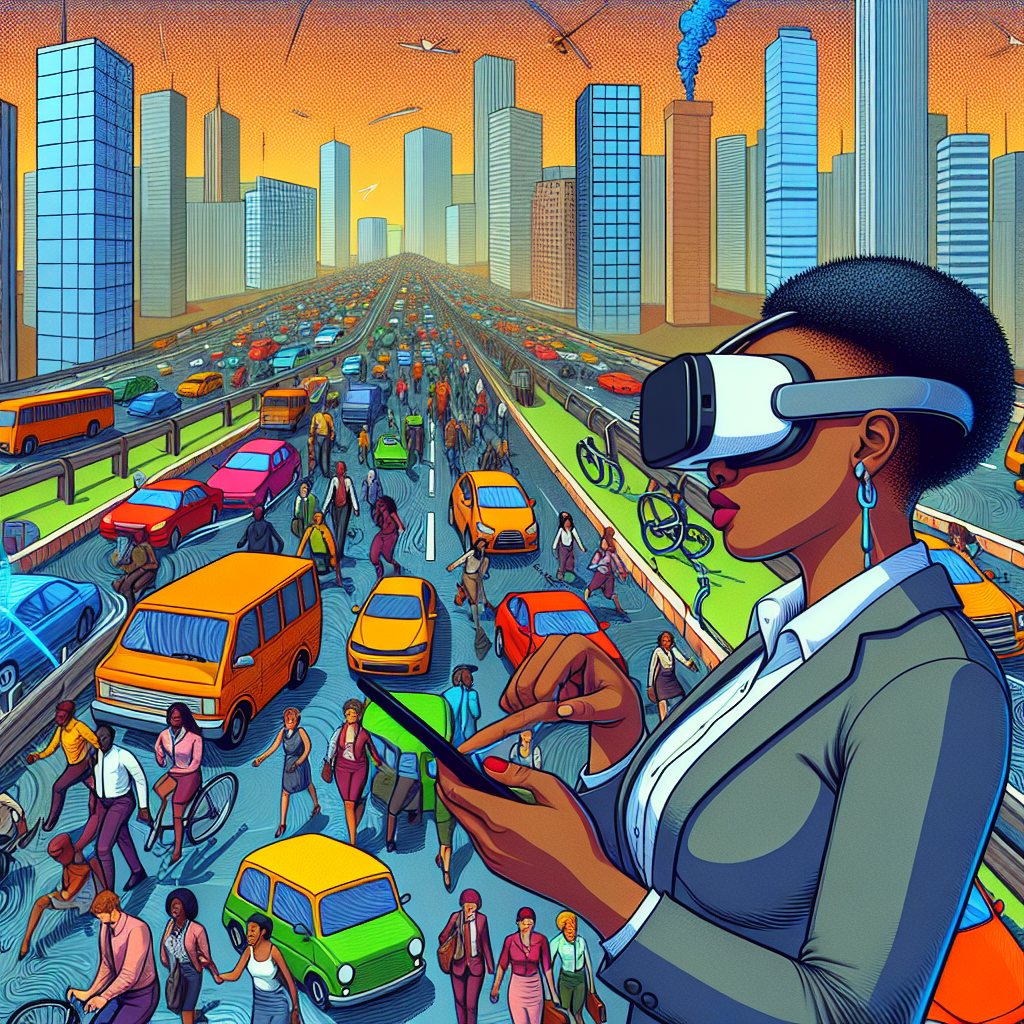
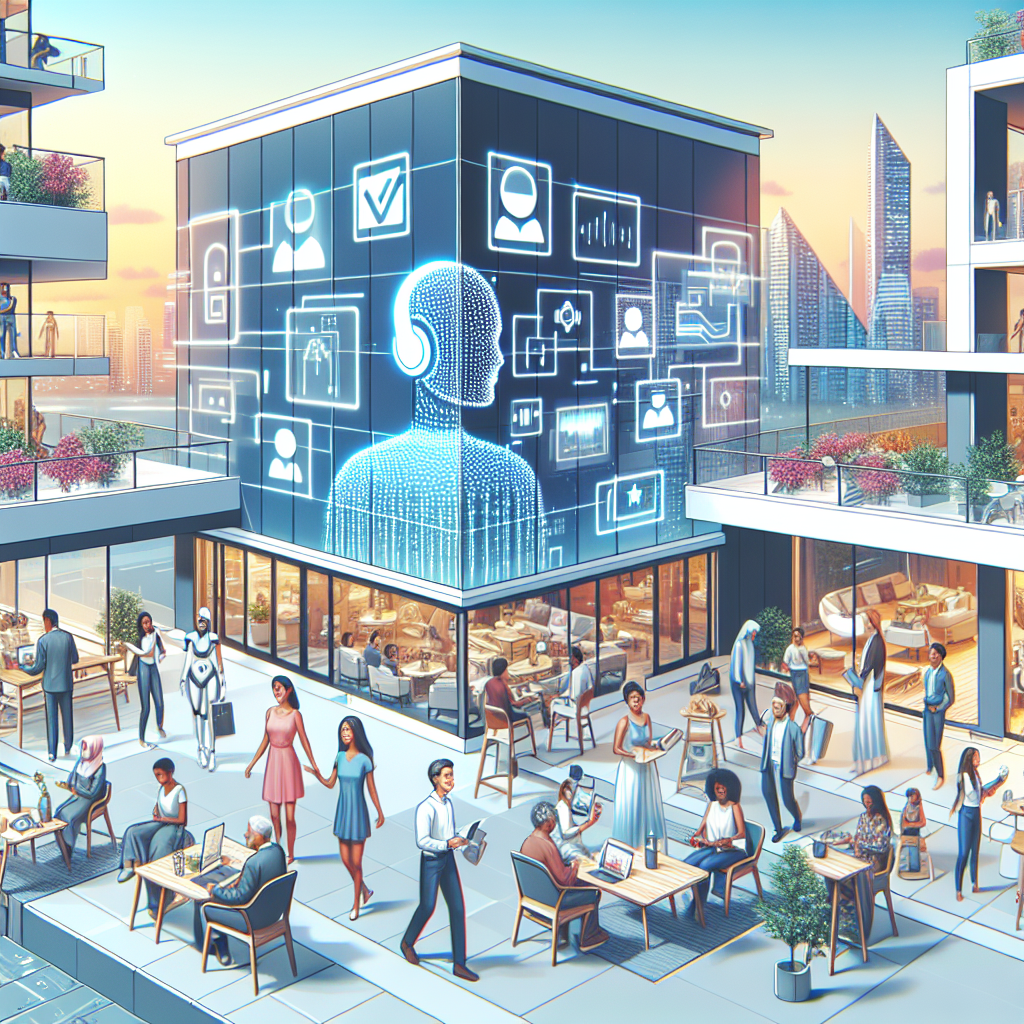
In a move that has urban planners and tech enthusiasts alike scratching their heads, the fledgling start-up UrbanAI has announced a groundbreaking platform designed to facilitate citizen participation in city redesign. Backed by a staggering $50 million investment from a prominent sovereign wealth fund, UrbanAI aims to use a local AI inference gateway to transform how communities interact with the spaces they inhabit. But as cities become playgrounds for high-tech whims, one must wonder: are we truly redesigning our urban landscapes, or merely painting over the cracks with pixels and promises?
A New Dawn for Citizen Engagement
UrbanAI's CEO, Eleanor Grayson, enthused during the launch, "We believe that every citizen deserves a voice in how their cities evolve. Our platform harnesses AI to interpret community feedback and propose real-time urban modifications — because who wouldn't want to redesign their city from the comfort of their couch?" Indeed, it seems that the couch revolution is upon us, as the new platform invites users to weigh in on everything from park benches to public transport routes.
Investment: A Risky Bet on the Future?
The allure of sovereign wealth funding is undeniable; however, this investment raises eyebrows among analysts who question the long-term viability of such a venture. James O'Reilly, a tech investment analyst at FutureSight Capital, remarked, "While the concept is appealing in theory, the execution may be an entirely different matter. Who will decide which voices matter? And what happens when the most vocal citizens end up with a hotdog vendor on every corner?"
The Numbers Behind UrbanAI
The urban redesign market is expected to reach a staggering $250 billion by 2028, growing at an annual rate of 12%. As cities worldwide grapple with the challenges of climate change and population growth, the demand for innovative solutions like UrbanAI's platform is more pressing than ever. Nevertheless, the tech's dependence on user engagement presents a significant hurdle; if a suburban mother in a minivan prefers Facebook over participatory design, what then?
- Projected urban redesign market value: $250 billion by 2028
- Annual growth rate: 12%
- Investment amount: $50 million from sovereign wealth fund
Risks and the Irony of Public Input
Despite the tantalizing prospects, many remain skeptical. Critics argue that the very essence of urban design cannot be relegated to a social media-style poll. Urban planner and local critic, Marcus Trenton, quipped, "If the public can vote on the next viral cat video, why shouldn't they choose the shape of their public parks? Although we might end up with something resembling a cat-shaped lake instead of a functional space. Who knew design could be so… adorable?"
Moreover, the potential for bias in AI algorithms raises the specter of inequitable representation. If the algorithm favors the most engaged demographic — typically young and urban — will it neglect the needs of the elderly or lower-income residents? This irony of a supposedly inclusive platform raising the risk of further exclusion is a bitter pill for the proponents to swallow.
So, What’s Next for UrbanAI?
As UrbanAI gears up for its beta launch, the world watches with bated breath — and not just because of the possibility of cat-shaped parks. The platform's success hinges on its ability to engage a diverse user base while navigating the pitfalls of public opinion and algorithmic bias. If it can strike that delicate balance, it may just redefine how we view urban spaces.
However, until then, one can only wonder: will our cities truly reflect the voices of their citizens, or will they be skewered by the loudest voices in the room, leaving the rest to fester in the shadows of a pixelated utopia? Only time will tell.
What's Your Reaction?
 Like
0
Like
0
 Dislike
0
Dislike
0
 Love
0
Love
0
 Funny
0
Funny
0
 Angry
0
Angry
0
 Sad
0
Sad
0
 Wow
0
Wow
0