




Will Fake News Immunity Apps and Insect Drones Save Humanity or Just Our Investment Portfolios?
By StartupKorea Business Desk | Apr 27, 2026 The Great Tech Clash: A Fake News Immunity App Meets Insect Drones in a Venture Capital ShowdownIn a bizarre twist of fate, the tech world is buzzing with excitement as startup ImmuniTech has lau...

By StartupKorea Business Desk | Apr 27, 2026
The Great Tech Clash: A Fake News Immunity App Meets Insect Drones in a Venture Capital Showdown
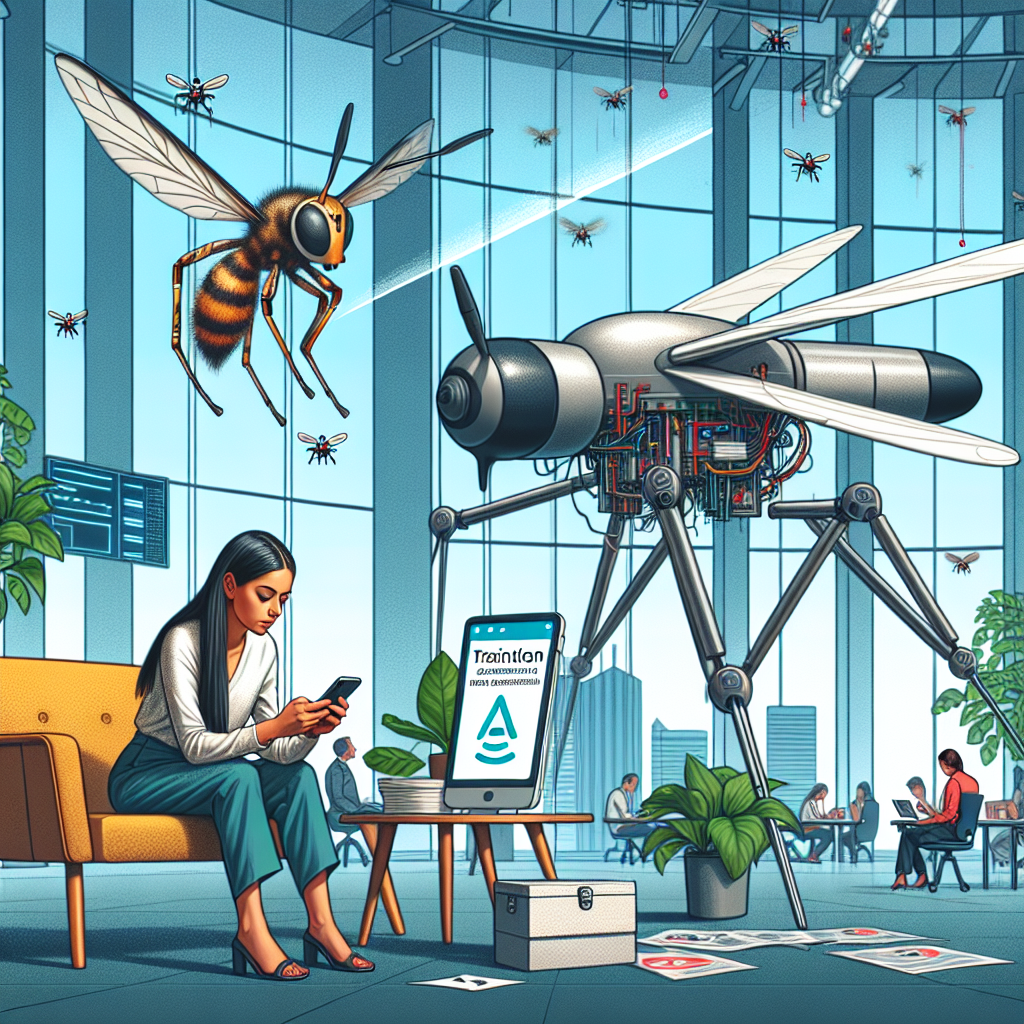
In a bizarre twist of fate, the tech world is buzzing with excitement as startup ImmuniTech has launched its groundbreaking fake news immunity training app, just as drone enthusiasts rave about the latest innovation in insect-shaped micro-drones. This unlikely pairing has attracted the attention of corporate venture capitalists, who have pledged a staggering $50 million investment to explore the synergies of misinformation defense and aerial surveillance. Why now? Perhaps we’re all just trying to dodge the next viral conspiracy theory.
ImmuniTech's Grand Entrance
Founded in a basement in Silicon Valley, ImmuniTech’s app claims to enhance users' ability to identify fake news through a series of interactive training modules delivered by an AI-powered fictional journalist named “Carl.” “Carl” engages users with thrilling narratives featuring increasingly ludicrous fake news stories. “We’re not just training users to spot fake news; we’re preparing them for the fiction that is modern life,” said CEO Jane Doe, with a straight face — a notable achievement considering her company’s absurd premise.
The Drone Dilemma
Meanwhile, the insect-shaped micro-drones, developed by BuzzTech, claim to revolutionize surveillance by mimicking the appearance and behavior of common insects. Investors are apparently convinced that this innovation will allow corporations to gather intelligence undetected, a tall order for drones that look suspiciously like oversized flies. “It’s about stealth and efficiency. Who would suspect a bug to be recording their every move?” mused BuzzTech’s CTO, John Smith. But perhaps the more pressing question is: who would *want* to?
Market Context: The Risks of Absurdity
The investment landscape is keenly aware of the absurdity encapsulated in these ventures, with the global market for misinformation management software projected to reach $10 billion by 2028, up from just $1.5 billion in 2023, as businesses seek to distinguish truth from fiction in the age of rampant disinformation.
On the other hand, the insect-drone sector is anticipated to skyrocket to an estimated $3 billion market by 2025, with experts suggesting it could rival the pet rock industry—if we’re lucky. “Honestly, the potential is limitless, much like the scope of human gullibility,” quipped industry analyst Sarah Johnson.
The Risks: Are Insect Drones the New Fake News?
However, as these startups enter the fray, the risks are palpable. Critics argue that while the fake news immunity app aims to empower users, it might inadvertently reinforce biases and create echo chambers. Doe counters, “Isn’t it better to be misled by our own designs than by a viral Tweet?”
Furthermore, the insect drones have raised eyebrows from privacy advocates. “We’re entering a dystopian era where spying insects may be the norm. What’s next, drone bees gathering data on our snack habits?” lamented privacy expert Mark Ray.
Investment Landscape: The Corporate VC Love Affair
The sheer audacity of these ventures has captured the affections of corporate venture capitalists, who see potential for massive returns. The irony is rich—investing in a fake news immunity app while simultaneously enhancing surveillance capabilities could very well be the tech industry’s version of eating your cake and watching it crumble.
Conclusion: Embracing the Absurd
As we navigate this brave new world of fake news immunity applications and insect drones, investors will need to weigh the risks against the potential for profit. In a landscape where reality is often stranger than fiction, one must ask: are we cultivating a future where truth is an endangered species, or simply a new form of entertainment?
As the lines between fact and fiction blur ever more, perhaps it’s not so absurd to invest in technology that helps us identify deception, while simultaneously deploying drones to observe our every move. After all, what’s more comforting than knowing you’re being watched while you read about how you’re being misled?
What's Your Reaction?
 Like
0
Like
0
 Dislike
0
Dislike
0
 Love
0
Love
0
 Funny
0
Funny
0
 Angry
0
Angry
0
 Sad
0
Sad
0
 Wow
0
Wow
0



![[Jeon Hwa-seong's Startup Morning Coffee #1210] Startup Innovation Leading the Future](https://www.startupkorea.kr/uploads/images/202512/167_4a76beeb6f7d4.png)