

The Intersection of AI Solutions and Local Business Management: Trends and Challenges
By Startup Korea Research Desk | May 23, 2026 The integration of artificial intelligence (AI) into local business operations is rapidly evolving, presenting both opportunities and challenges for entrepreneurs and investors alike. As the market f...


By Startup Korea Research Desk | May 23, 2026
The integration of artificial intelligence (AI) into local business operations is rapidly evolving, presenting both opportunities and challenges for entrepreneurs and investors alike. As the market for AI solutions expands, it is essential to analyze the implications of these technologies on local businesses and the broader economic landscape.
Market Overview: The Growth of AI in Local Business
The local business sector, valued at approximately $8 trillion, is increasingly adopting AI technologies to enhance operational efficiency and customer engagement. Recent studies indicate that small businesses implementing AI solutions experience an average increase of 30% in operational efficiency. This trend underscores the growing recognition of AI's potential to streamline processes, reduce costs, and improve service delivery.
Emerging Business Models: AI as a Consultant
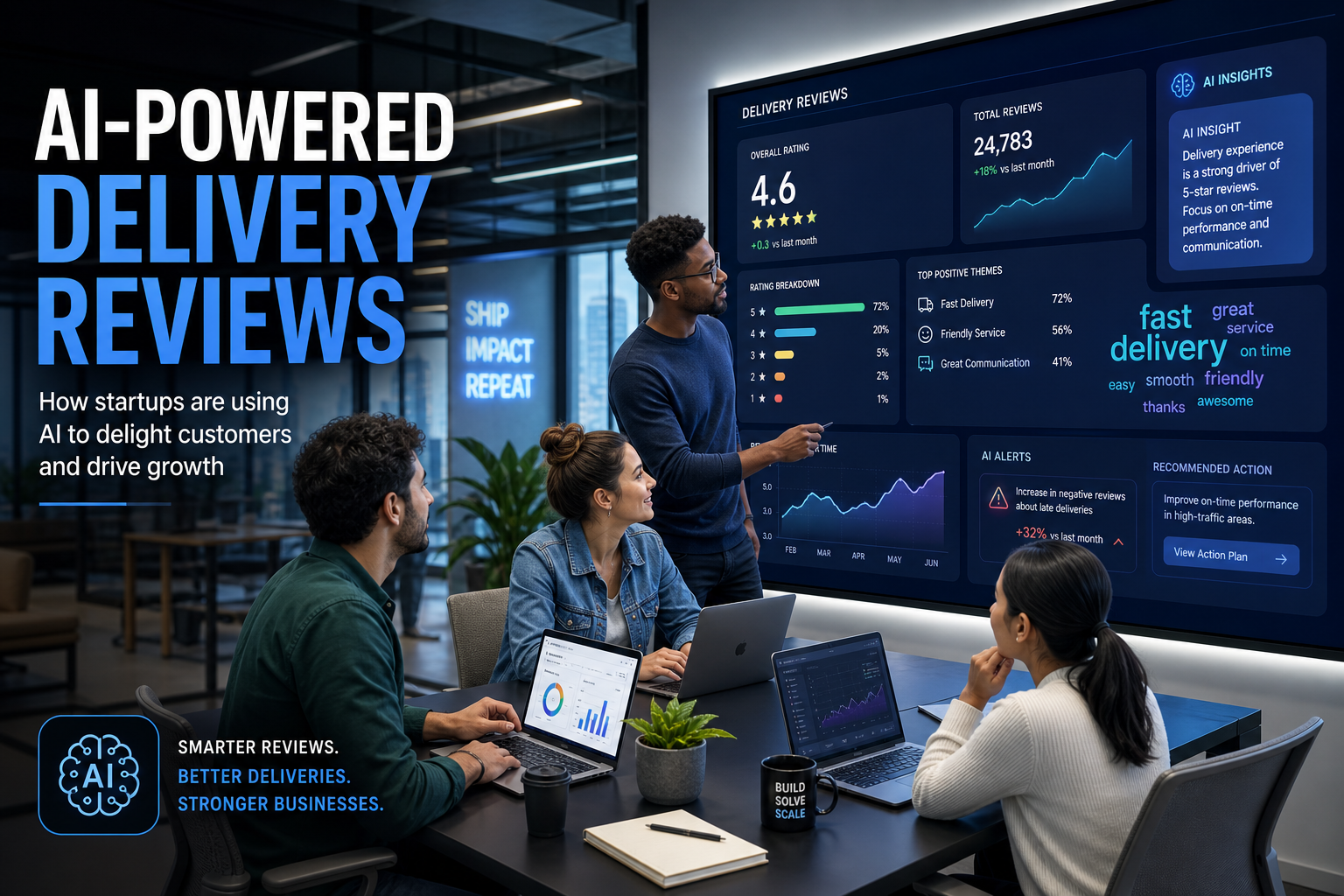
Innovative startups are emerging with business models that position AI as a consultant for local business owners. These AI assistants are designed to handle various tasks, from inventory management to customer relationship management. By automating routine operations, these solutions allow business owners to focus on strategic growth initiatives.
- Operational Efficiency: AI tools can analyze sales data, optimize supply chains, and predict customer preferences, leading to more informed decision-making.
- Cost Reduction: Automation of repetitive tasks can significantly lower labor costs and minimize human error.
- Enhanced Customer Experience: AI-driven insights enable businesses to tailor their offerings to meet customer needs more effectively.
Investment Landscape: Attracting Capital with Dual Focus
Startups that combine AI solutions for local businesses with innovative concepts, such as environmental sustainability, are capturing investor interest. For instance, companies that propose to address both local operational challenges and broader issues, like space debris management, are seen as forward-thinking. This dual focus can attract diverse funding sources, as investors are increasingly looking for ventures that align with social responsibility and sustainability goals.
Risks and Challenges: Navigating Adoption Hurdles
While the potential benefits of AI integration are significant, there are inherent risks and challenges that must be addressed:
- Trust and Reliability: Business owners may be hesitant to rely on AI systems for critical decision-making, particularly if the technology is perceived as untested or overly complex.
- Implementation Costs: The initial investment required for AI solutions can be a barrier for many small businesses, particularly those operating on thin margins.
- Data Privacy Concerns: As businesses collect and analyze customer data, they must navigate the complexities of data privacy regulations and ensure compliance to avoid legal repercussions.
Strategic Considerations for Founders
For founders looking to enter the AI market for local businesses, several strategic considerations are crucial:
- Market Research: Understanding the specific needs and pain points of local businesses is essential for developing relevant AI solutions.
- User-Centric Design: AI tools should be designed with the end-user in mind, ensuring ease of use and integration into existing workflows.
- Partnerships and Collaborations: Building partnerships with established players in the local business ecosystem can enhance credibility and facilitate market entry.
Conclusion: The Future of AI in Local Business
The intersection of AI technology and local business management presents a promising frontier for innovation and growth. As more entrepreneurs recognize the potential of AI to transform their operations, the market is likely to see an influx of creative solutions aimed at enhancing efficiency and sustainability. However, navigating the associated risks will require diligence from both founders and investors.
Editor's note: This analysis is original market research and does not constitute investment advice.
What's Your Reaction?
 Like
0
Like
0
 Dislike
0
Dislike
0
 Love
0
Love
0
 Funny
0
Funny
0
 Angry
0
Angry
0
 Sad
0
Sad
0
 Wow
0
Wow
0