




From Space Junk to Gold: The Outlandish Rise of Upscale Space Trash Commerce
By StartupKorea Business Desk | May 28, 2026 From Orbit to Opportunity: The New Age of Space Trash UpscalingIn a groundbreaking twist that could only be conceived in the intersection of absurdity and innovation, a new startup has emerged, p...

By StartupKorea Business Desk | May 28, 2026
From Orbit to Opportunity: The New Age of Space Trash Upscaling
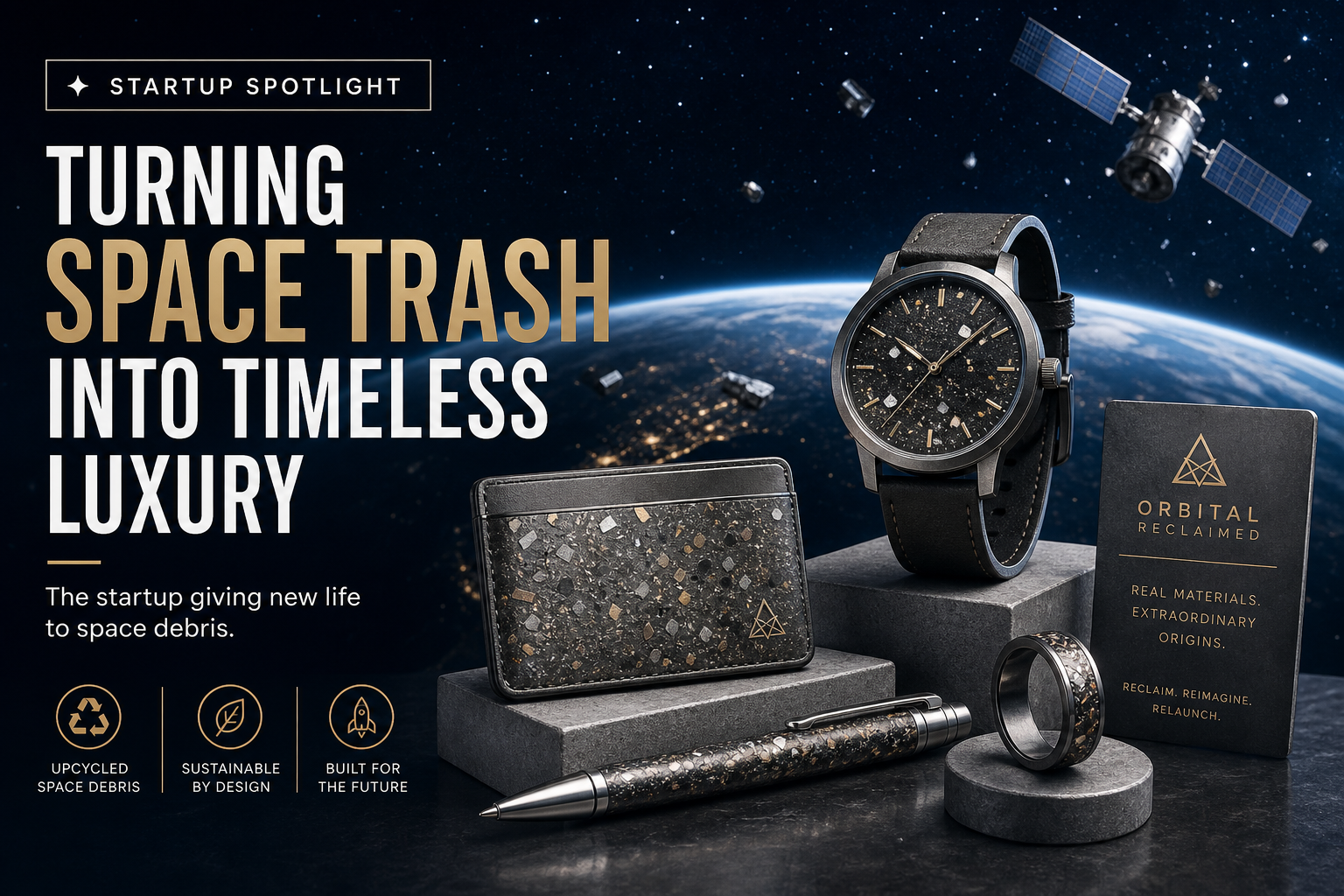
In a groundbreaking twist that could only be conceived in the intersection of absurdity and innovation, a new startup has emerged, promising to turn the world's increasing space debris into luxury consumer goods. Dubbed 'Celestial Salvage,' this audacious venture has just secured $150 million in Series A funding, aiming to upscale the remnants of humanity’s orbiting clutter into artisanal products ranging from jewelry to high-end home decor.
The Business of Space Junk
With over 36,500 pieces of space debris currently orbiting the Earth—an alarming figure that exceeds the global population's collective interest in the latest TikTok dance trends—Celestial Salvage is betting that sustainability is more than just a buzzword; it's a marketplace. "We’re not just cleaning up space, we’re reimagining the value of what’s up there," stated CEO Jane Asteroid during a recent press conference. "Why toss out your old satellite when you can wear it?"
Investors Buy Into the Vision
This unconventional venture has attracted the attention of prominent investors, including GreenTech Ventures, which has a reputation for funding projects that are only slightly less ludicrous than a reality show about space marines. Managing partner Richard Orbit noted, "Investing in upcycled space debris is the new gold rush. Who wouldn’t want a diamond-encrusted piece of a defunct satellite?"
The Tech Behind the Trash
The startup isn’t just peddling rusted metal; it’s backed by innovative digital pathology AI capable of analyzing the composition of space debris to ensure each piece meets quality standards—because nothing says luxury like having your space trash certified. “It’s an essential part of our quality assurance,” said CTO Hal O’Logy, as he proudly displayed a holographic model of a broken satellite transformed into a chic chandelier. “We don’t just salvage, we curate.”
Market Context: The Size of the Opportunity
The global space debris management market was valued at approximately $1 billion in 2025 and is projected to expand at a staggering rate of 25% annually, primarily driven by increasing governmental regulations and the growing demand for sustainable solutions. Celestial Salvage’s unconventional approach could capture a niche yet lucrative segment of this market, appealing to the environmentally conscious and the absurdly wealthy alike.
The Risks of Reaching for the Stars
However, it’s not all moonbeams and stardust. Skeptics warn that the startup’s lofty goals may be grounded in unrealistic expectations. “The concept is whimsical, but the practicality of scaling from garbage to glamour is questionable at best,” warned industry analyst Terra Firma. “Investors should be wary of the gravitational pull of hype.”
Opposing Viewpoints in the Cosmos
Critics also point out the ethical implications of commodifying space debris. “This is just another example of capitalism’s obsession with turning everything into a product, even things that should probably just be left alone,” said environmental activist Sonia Green. Yet, in a world where even the most inconceivable ideas can find funding, Celestial Salvage appears undeterred.
The Future of Space Commerce
In this brave new world of upcycled space debris, the question remains: will consumers be willing to don what was once a part of a weather satellite? As the startup prepares for its first product launch, the answer may depend less on practicality and more on how good the marketing can be. After all, if you can sell bottled air from the Himalayas, why not a pair of earrings made from a spent rocket stage?
Conclusion: The Absurdity of It All
As we navigate the endless expanse of possibilities, Celestial Salvage stands as a stark reminder of the delicate balance between innovation and absurdity. What once was considered junk might just be the next hottest fashion statement. Will this be the start of a new trend in sustainable luxury, or simply the latest episode in the reality show of entrepreneurial folly? Only time will tell, but one thing is certain: in the world of business, sometimes all you need is a little space—literally.
What's Your Reaction?
 Like
0
Like
0
 Dislike
0
Dislike
0
 Love
0
Love
0
 Funny
0
Funny
0
 Angry
0
Angry
0
 Sad
0
Sad
0
 Wow
0
Wow
0