




Is Sleep the New Stock? How a Sleep-Tech Fintech Startup Secured $500M from Sovereign Wealth Funds to Tackle Jet Lag
By StartupKorea Business Desk | Jun 08, 2026 Jet Lag Meets Financial Innovation: The Rise of Sleep-Tech FintechIn a development that raises eyebrows and blood pressure levels alike, SleepSync, a California-based startup dedicated to solving...

By StartupKorea Business Desk | Jun 08, 2026
Jet Lag Meets Financial Innovation: The Rise of Sleep-Tech Fintech
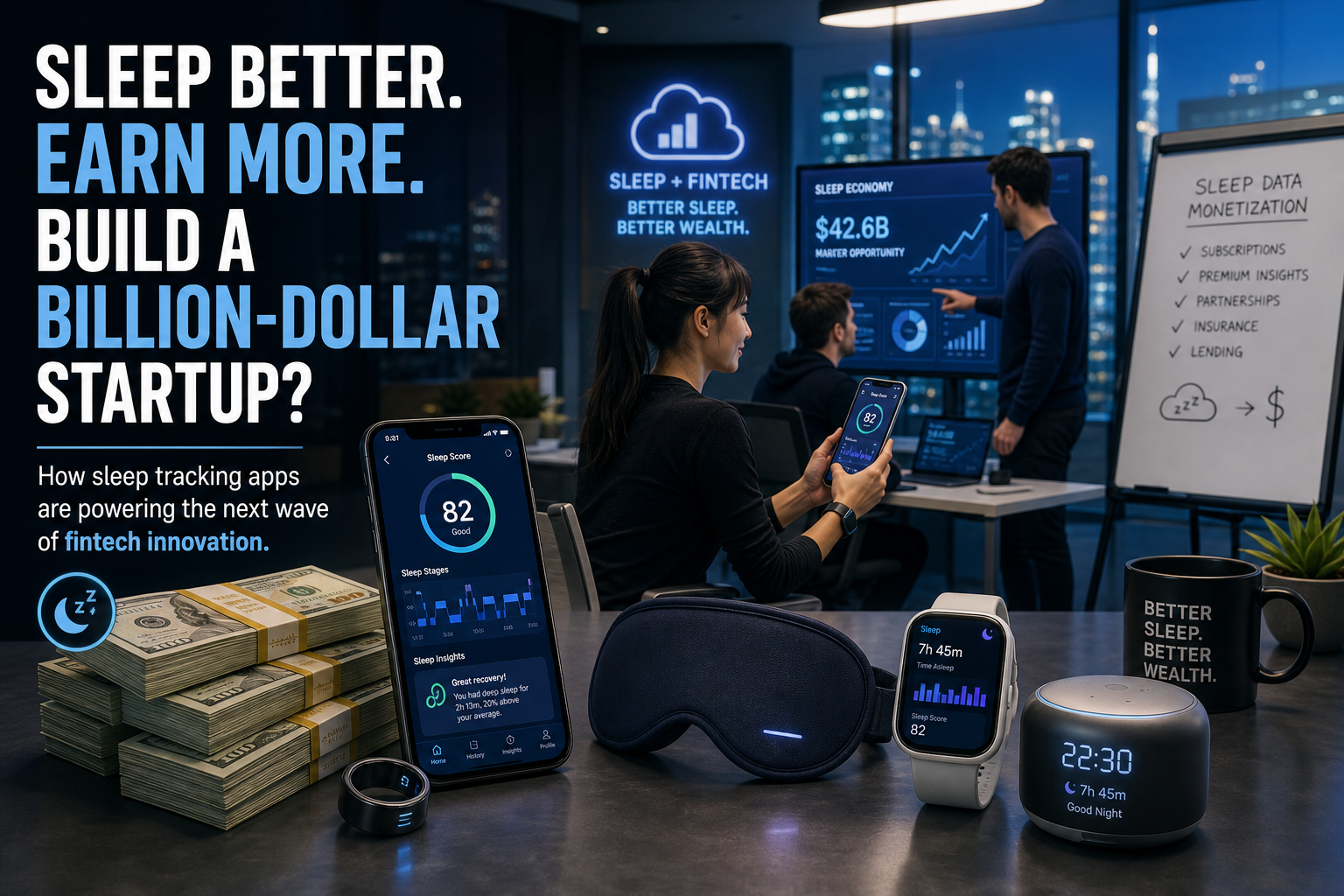
In a development that raises eyebrows and blood pressure levels alike, SleepSync, a California-based startup dedicated to solving the age-old problem of jet lag through sophisticated fintech solutions, has announced a staggering $500 million investment from several overseas sovereign wealth funds. The peculiar timing of this investment, amid widespread economic uncertainty, suggests that perhaps sleep has truly become the new gold standard.
The Financial Fantasia Behind SleepSync
For those unfamiliar with the world of fintech, the concept of a startup focusing on sleep seems almost as ridiculous as a cat video raking in millions of views. Yet, SleepSync has leveraged cutting-edge MQTT orchestration technology to create an app that promises to help users sync their circadian rhythms, allowing them to adjust to new time zones with the grace of a gazelle.
“We’re not just solving jet lag; we’re redefining how people travel and live,” proclaimed CEO Jennifer Dreamer during a recent press conference. “With our app, users can transform sleep into an asset class.” If only Wall Street were so easily impressed.
A Surprising Investment Landscape
The participation of sovereign wealth funds in such a niche market may seem bizarre. However, the lure of a projected $20 billion sleep economy is too enticing to resist, especially when the world is increasingly sleep-deprived. According to recent studies, approximately 35% of Americans report sleeping less than the recommended seven hours per night, and this figure is expected to rise as the economy continues to encourage longer working hours.
- Projected growth of sleep economy: $20 billion
- Percentage of sleep-deprived Americans: 35%
- Investment from sovereign funds: $500 million
Risks and the Sweet Sound of Alarm Bells
Despite the allure of SleepSync's vision, critics are quick to point out that investing in sleep technology may also be as risky as trying to sleep on a transatlantic flight without anesthesia. Industry analysts caution that the market is already saturated with sleep aids, from overpriced mattresses to questionable herbal teas.
“The fintech sector is littered with failures from companies that promised to revolutionize productivity through better sleep,” remarked financial analyst Cliff Beddington. “Perhaps they should focus on making sure we wake up before throwing money at us once we do.”
What’s Next for SleepSync?
As SleepSync prepares to roll out its highly-anticipated app in late 2026, investors are anxiously waiting to see if the startup can transform its ambitious promises into tangible results. Skeptics argue this may simply be another instance of tech-speak obscuring a lack of substance, akin to a company promising to cure boredom with an app that merely plays elevator music.
“We’re not just looking at the numbers; we’re looking at the future of living, traveling, and sleeping,” continued Dreamer, oblivious to the eye rolls across the conference room. As technology continues to evolve at breakneck speed, one thing remains certain: sleep is indeed big business, but whether it can compete with the likes of AI and blockchain remains to be seen.
The Bottom Line: A Dream or a Nightmare?
As investors bet big on the future of sleep, the rest of us can only wonder whether this is the dawn of a new era or simply a cash grab veiled in the guise of wellness. Either way, SleepSync has certainly managed to create a buzz, leaving many asking: just how much is a good night's sleep worth?
What's Your Reaction?
 Like
0
Like
0
 Dislike
0
Dislike
0
 Love
0
Love
0
 Funny
0
Funny
0
 Angry
0
Angry
0
 Sad
0
Sad
0
 Wow
0
Wow
0