




Taste the Future: AI Food Lab Unveils Algorithm to Correct Culinary Bias—For a Price
By StartupKorea Business Desk | Jun 08, 2026 The Rise of AI Food Labs: Correcting Culinary Bias One Algorithm at a TimeIn an unprecedented blend of artificial intelligence and cuisine, the startup TasteTech has announced a groundbreaking pr...

By StartupKorea Business Desk | Jun 08, 2026
The Rise of AI Food Labs: Correcting Culinary Bias One Algorithm at a Time
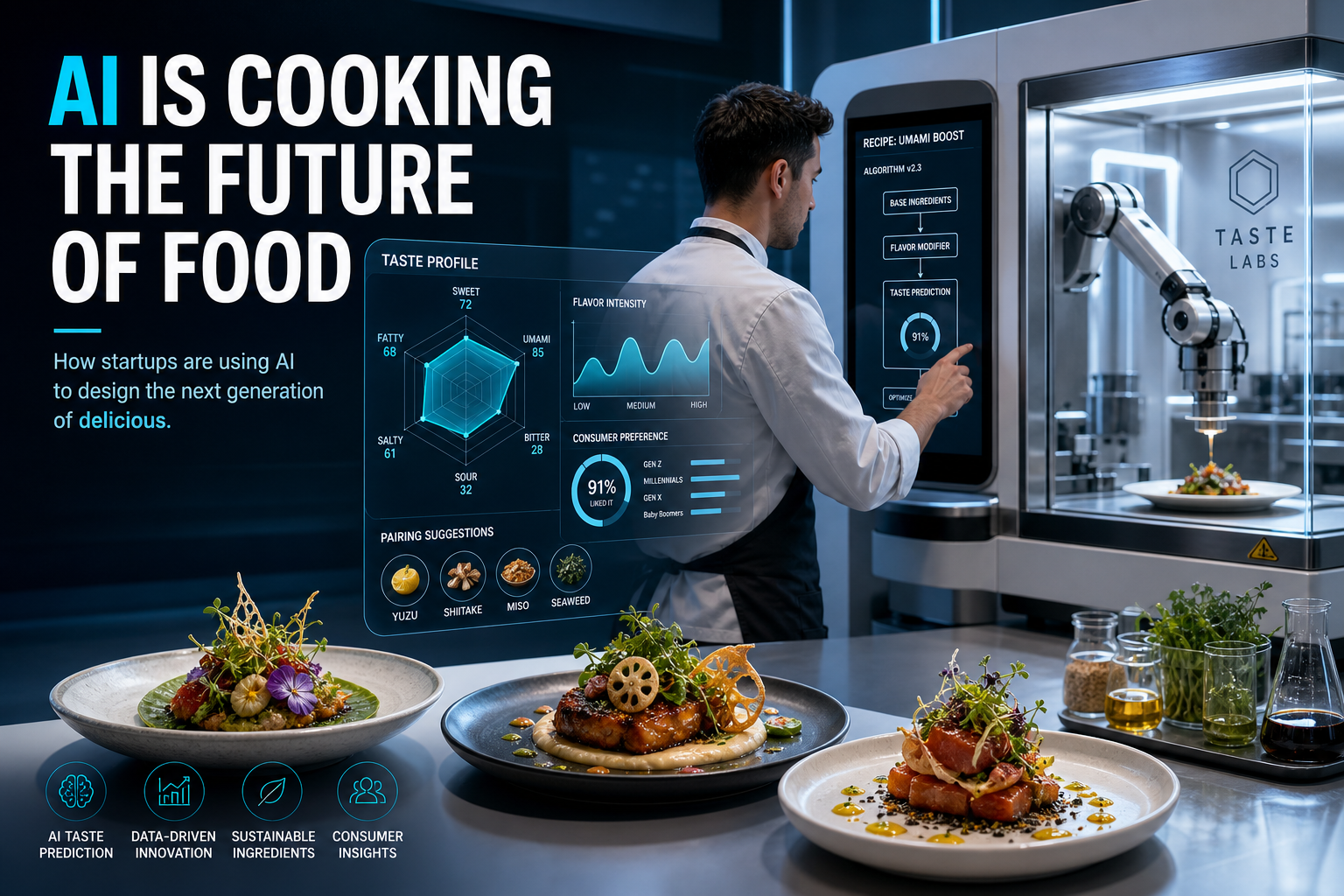
In an unprecedented blend of artificial intelligence and cuisine, the startup TasteTech has announced a groundbreaking project that aims to correct culinary preference biases using its proprietary taste profiling algorithm. With an initial investment of $15 million raised through project financing, TasteTech believes its innovative approach will revolutionize how food is personalized in an era where one-size-fits-all meals are about as desirable as a lukewarm cup of instant coffee.
The Technology Behind the Taste
At the heart of this culinary revolution lies a taste profiling algorithm that analyzes individual preferences in food and suggests recipes that are statistically likely to appeal to the user. According to CEO Clara Savory, "Our technology doesn’t just understand what you like; it understands why you like it, thus allowing for a more nuanced dining experience. It’s like having a Michelin-star chef in your pocket—minus the attitude and the $300 tasting menu."
Market Context: A Flavorful Opportunity
The global food tech market is expected to reach $340 billion by 2026, growing at a compound annual growth rate (CAGR) of 10%. With the rise of personalized nutrition and the increasing consumer demand for tailored food experiences, TasteTech's offering seems poised to capture a significant slice of this burgeoning pie. As food delivery market revenue is projected to exceed $200 billion in the same year, the potential for an AI-assisted culinary experience appears tantalizingly ripe.
Investors Can't Get Enough
Investment in food technology has surged, with 2025 seeing a 25% increase in venture capital flowing into startups that promise to enhance, disrupt, or otherwise redefine our eating experience. Investor Mark Green, who participated in TasteTech's funding round, stated, "This isn’t just about food; it’s about shaping the future of how we experience flavor. The algorithm could even reduce food waste by minimizing the number of meals that end up in the trash because they were just plain unappetizing."
Risks on the Table: A Recipe for Disaster?
However, not everyone is convinced of the algorithm's potential. Critics argue that the very notion of correcting culinary bias through AI is an affront to the organic nature of food. Renowned food critic and staunch traditionalist, Francine Dish, remarked, "Food is an art, not a math equation! Are we really ready to let algorithms decide what we should enjoy? Next, they’ll be telling us how to pair wine with our takeout!"
Constraints and Paradoxes
Moreover, the risks associated with AI-driven dietary recommendations could also lead to unforeseen consequences. For example, what if the algorithm determines that your affinity for pizza stems from an emotional attachment to childhood memories, thereby prompting it to suggest ever-more pizzas until your diet is 90% cheese and carbs? A dystopian future where pizza is the only food option may not be that far-fetched.
The Bottom Line
As TasteTech gears up to launch its AI food lab, it stands at the intersection of culinary creativity and digital innovation. While the startup's ambitious endeavors could lead to a dazzling new dining experience, the risks of over-reliance on algorithms for something as inherently human as taste cannot be dismissed lightly.
As the food tech landscape evolves, it remains to be seen whether society will embrace this avant-garde approach to dining or if we’ll collectively rebel and return to the comforting embrace of homemade mac and cheese. Until then, grab your forks and brace yourselves for an algorithmically enhanced culinary journey.
What's Your Reaction?
 Like
0
Like
0
 Dislike
0
Dislike
0
 Love
0
Love
0
 Funny
0
Funny
0
 Angry
0
Angry
0
 Sad
0
Sad
0
 Wow
0
Wow
0