





Investors Commit $30 Million to IoT Mesh for Early Fire Detection: Analyzing Market Trends and Risks
By Startup Korea Research Desk | May 22, 2026 In a significant move reflecting the growing intersection of technology and environmental management, a consortium of investors has committed $30 million to an Internet of Things (IoT) startup focuse...

By Startup Korea Research Desk | May 22, 2026
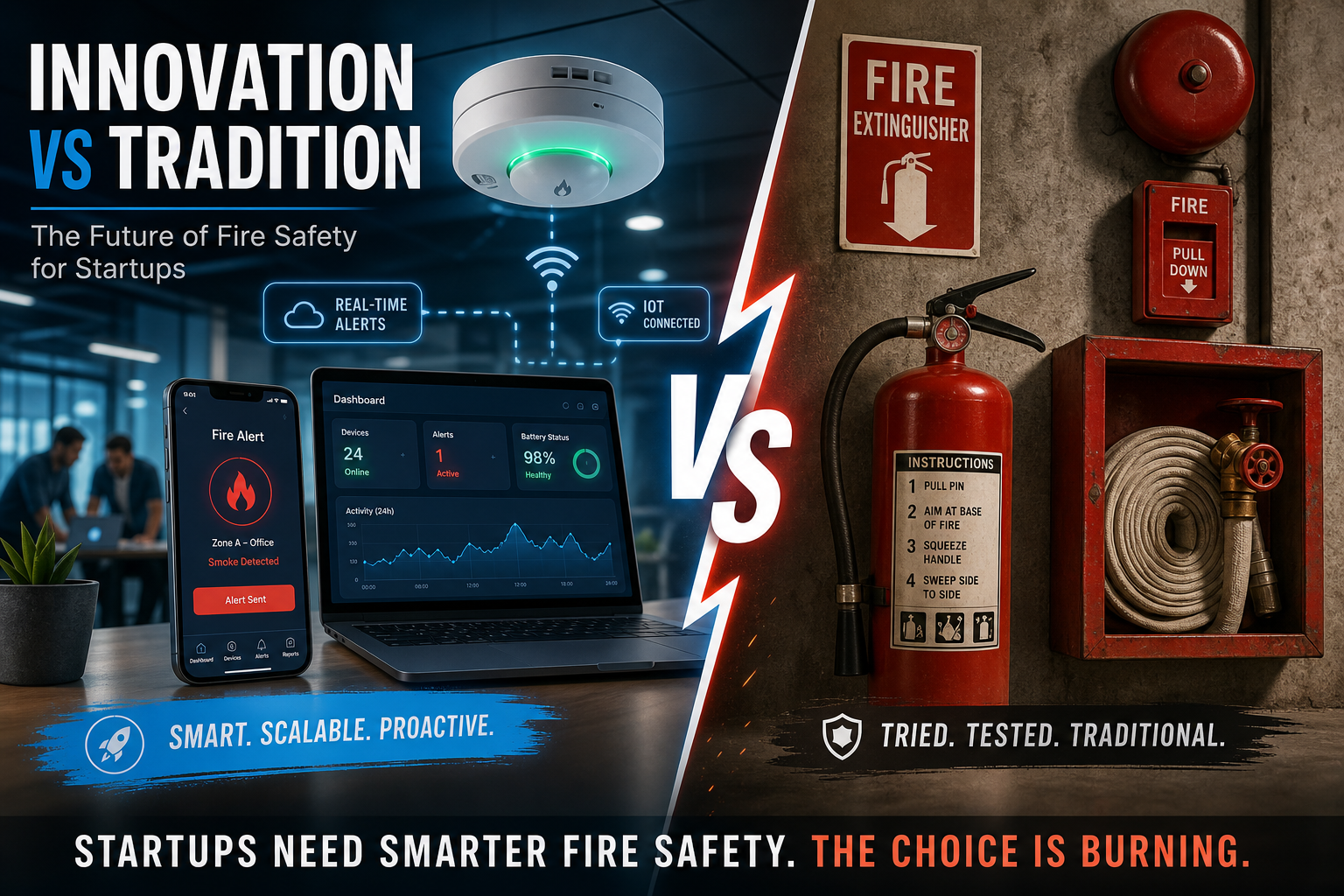
In a significant move reflecting the growing intersection of technology and environmental management, a consortium of investors has committed $30 million to an Internet of Things (IoT) startup focused on early wildfire detection. This investment highlights a broader trend in the market towards innovative solutions aimed at addressing pressing environmental challenges, particularly in the context of increasing wildfire incidents exacerbated by climate change.
Market Context and Timing
The timing of this investment aligns with alarming statistics regarding wildfires. Recent data from the National Interagency Fire Center indicates that wildfires in the United States burned over 4 million acres last year, marking a 30% increase from the previous year. This surge in wildfire activity has heightened the urgency for proactive measures, prompting investors to explore advanced technological solutions that can mitigate risks and enhance safety.
Understanding the Technology
The startup in question is developing an IoT mesh network designed to detect fire risks through a digital twin of soil health. This approach integrates data from various sources to create a comprehensive digital representation of environmental variables such as soil moisture content and temperature. By leveraging predictive analytics, the technology aims to provide early warnings of potential fire outbreaks, thus enabling timely interventions.
Evaluating the Business Model
The business model behind this technology hinges on the increasing demand for smart environmental monitoring solutions. As climate change continues to pose significant risks, there is a growing market for tools that can provide real-time data and predictive insights. Investors are likely drawn to the potential scalability of such solutions, particularly as the IoT market is projected to reach $1.1 trillion by 2026, according to market research firm Statista.
Adoption Risks and Challenges
Despite the promising nature of this technology, there are inherent risks associated with its adoption. One primary concern is the reliability of the data collected and the accuracy of the predictive models. Stakeholders must ensure that the technology can operate effectively in diverse environmental conditions and that it can deliver timely alerts without false positives.
Moreover, the integration of IoT solutions into existing land management practices may face resistance from traditional stakeholders who are accustomed to conventional methods of fire detection and management. Overcoming this inertia will require strategic outreach and education to demonstrate the value and effectiveness of the new technology.
Investor Diligence and Market Outlook
For investors, thorough due diligence is essential when considering opportunities in emerging technologies like this one. Evaluating the startup's technology, market positioning, and competitive landscape will be critical in assessing its long-term viability. Investors should also consider the regulatory environment surrounding environmental technologies, as compliance with safety and environmental standards will play a significant role in the startup's success.
Founder Strategy and Vision
The founder's vision and strategic direction will also be pivotal in navigating the challenges ahead. A clear roadmap that outlines product development, market entry strategies, and customer acquisition plans can enhance investor confidence. Additionally, fostering partnerships with governmental and environmental organizations could facilitate broader adoption and integration of the technology into existing frameworks.
Conclusion
The $30 million investment in this IoT mesh network for early fire detection underscores a growing recognition of the need for innovative solutions to combat environmental challenges. As wildfires continue to pose significant risks, the demand for advanced monitoring technologies is likely to increase. However, stakeholders must remain vigilant about the associated risks and challenges, ensuring that the technology is reliable, scalable, and effectively integrated into existing practices.
Editor's note: This article represents original market analysis and is not intended as investment advice.
What's Your Reaction?
 Like
0
Like
0
 Dislike
0
Dislike
0
 Love
0
Love
0
 Funny
0
Funny
0
 Angry
0
Angry
0
 Sad
0
Sad
0
 Wow
0
Wow
0