




Flush with Potential: How a $30 Million Brain-Computer Interface Startup Plans to Predict Health from Bathroom Breaks
By StartupKorea Business Desk | Apr 12, 2026 Toilets as Oracle: The Health Prediction Startup You Didn’t Know You NeededIn an unprecedented fusion of bio-monitoring and bathroom habits, a new startup, ToiletTech Inc., has raised a staggerin...

By StartupKorea Business Desk | Apr 12, 2026
Toilets as Oracle: The Health Prediction Startup You Didn’t Know You Needed
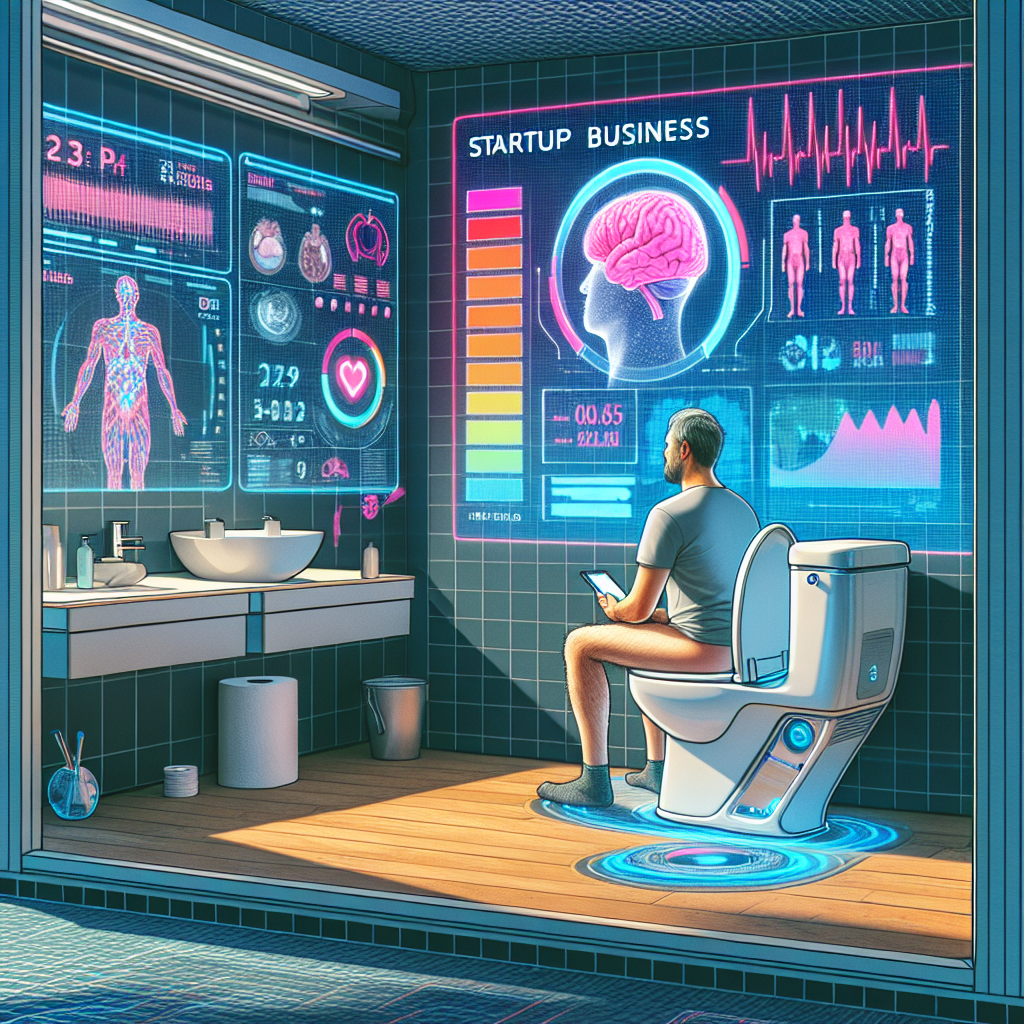
In an unprecedented fusion of bio-monitoring and bathroom habits, a new startup, ToiletTech Inc., has raised a staggering $30 million to develop a brain-computer interface that predicts health outcomes based on users' toilet habits. This revolutionary initiative, which could redefine health monitoring, has investors drooling as they contemplate the implications of gleaning health data from the most private of human activities.
The Tech That Could Change Everything (or Nothing)
ToiletTech Inc. promises to track everything from gastrointestinal wellness to potential kidney issues by utilizing a neural interface that analyzes patterns in toilet usage. CEO Clara Flushman, when asked about the groundbreaking technology, stated, "Why wait for symptoms when you can gauge your health from your throne? We're elevating bathroom habits to a science—and yes, it’s a little sh*tty, but it’s also revolutionary."
The health tech sector has been buzzing about this concept, with analysts projecting that the global digital health market will reach $509.2 billion by 2025. As ToiletTech prepares to carve out a niche, it's worth considering whether this lofty valuation is justified or simply a product of our collective fascination with health fads.
Investors Are Riding the Flush Wave
The strategic investment of $30 million, led by venture capital firm FlushFunds, comes at a time when health-tech startups are experiencing an unprecedented influx of capital. FlushFunds' managing partner, Barry Waterman, remarked, “We believe the toilet is the next frontier in health monitoring. It’s an untapped goldmine—people are literally flushing money down the toilet when they ignore their health.”
This enthusiasm, however, is not without its critics. Some investors express skepticism about the viability of the product, questioning the practicality of a brain-computer interface linked to bathroom habits. Industry analyst Rita Pott remarked, “While the concept is innovative, I can’t help but wonder if we’re pushing the envelope—or the toilet lid—too far.”
The Market Context: Is This a Flush of Genius or a Pipe Dream?
While ToiletTech's unique focus on toilet usage patterns as health indicators is intriguing, the total addressable market remains elusive. Current estimates suggest that the global health tech industry is on the verge of a boom, with significant growth expected in wearable and implantable devices, forecasted to expand at a CAGR of 28.3% through 2024.
The real question is whether a product that relies on bathroom breaks can compete against established wearable health technologies. According to market research, the wearables segment alone is projected to reach $60 billion by next year. Even the most optimistic forecasts for toilet analytics seem dwarfed by this figure, hinting at a steep uphill battle.
Risks and Concerns: The Downside of Data in All the Wrong Places
With any innovative technology comes a host of risks, particularly around privacy and data security. As users’ bodily functions are transformed into data points, concerns arise over how this information will be stored, shared, and even monetized. Flushman reassured potential users, “We will adhere to the highest standards of data privacy—your secrets are safe with us, no matter how messy they might be.”
Yet, the reality remains that the more data collected, the more potential for misuse. Industry stakeholders are wary of the implications of such intrusive health monitoring. After all, does anyone really want a notification alerting them to “excessive fiber intake” while they’re scrolling through social media in a café?
Opposing Viewpoints: Health Monitoring or Bathroom Surveillance?
Critics of the initiative argue that the fine line between health monitoring and bathroom surveillance is too easily crossed. Health tech entrepreneur Sam Wright commented, “This isn’t a step forward; it’s a bathroom invasion. People need to feel safe and private in their own personal space.”
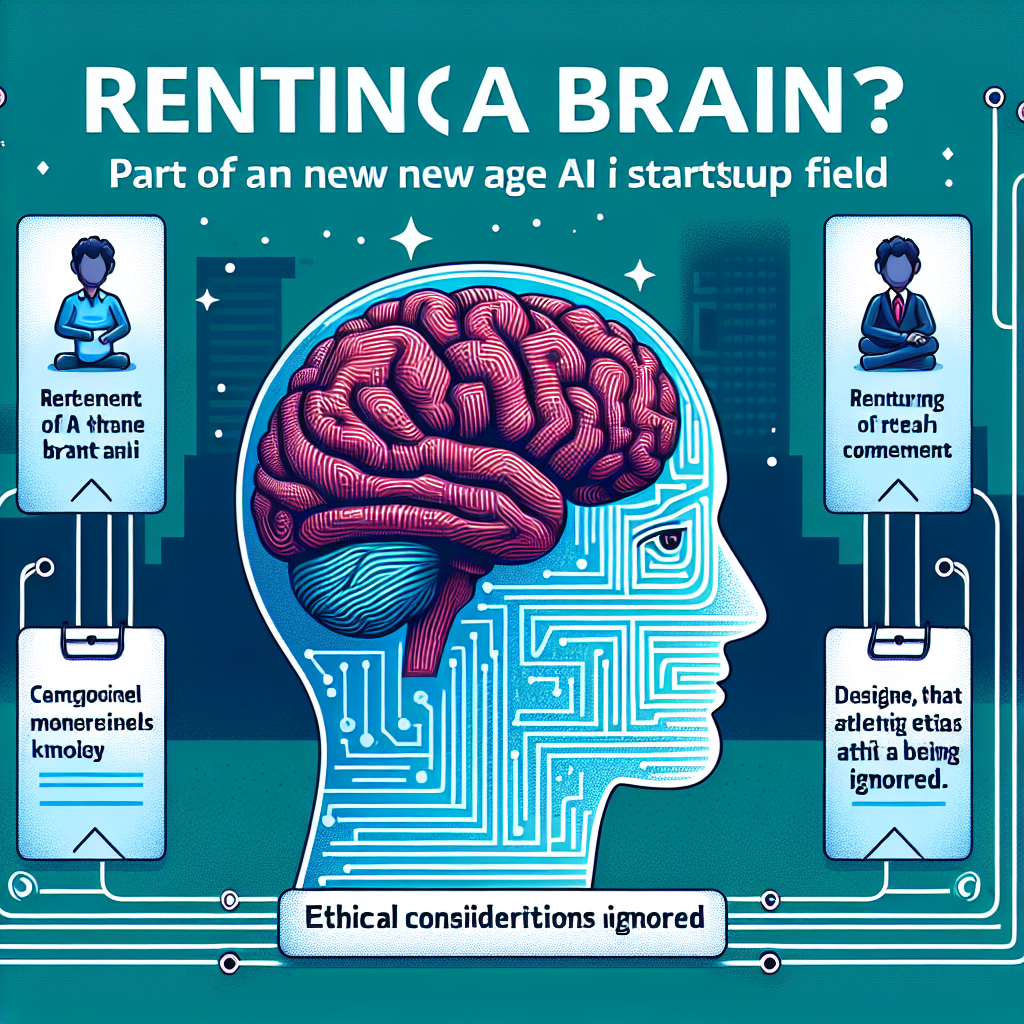
While the potential for health insights is undeniable, the ethical implications of surveilling such a private act cannot be ignored. For some, the idea of integrating brain-computer technology with bathroom habits feels less like a health revolution and more like a dystopian plot twist.
Conclusion: A Lavatory Leap into the Future of Health?
As ToiletTech Inc. prepares to launch its groundbreaking product, the health tech industry watches with bated breath—partly out of excitement, but largely out of sheer disbelief. Will the concept of utilizing bathroom patterns to predict health outcomes become the next big thing, or will it wash away in the tides of skepticism?
Only time will tell. For now, investors are betting on a flush of success, while health-conscious consumers await their moment of enlightenment—ideally, in the privacy of their own bathrooms.
What's Your Reaction?
 Like
0
Like
0
 Dislike
0
Dislike
0
 Love
0
Love
0
 Funny
0
Funny
0
 Angry
0
Angry
0
 Sad
0
Sad
0
 Wow
0
Wow
0