


Robotic Chefs and Delivery Drones: Are We Ready for a Future Where Our Meals Are Cooked by Machines?
By StartupKorea Business Desk | Apr 12, 2026 Robots in the Kitchen: A Culinary Revolution or a Recipe for Disaster?In a bold move that could redefine the landscape of the food service industry, the startup RoboGourmet announced a staggering...

By StartupKorea Business Desk | Apr 12, 2026
Robots in the Kitchen: A Culinary Revolution or a Recipe for Disaster?
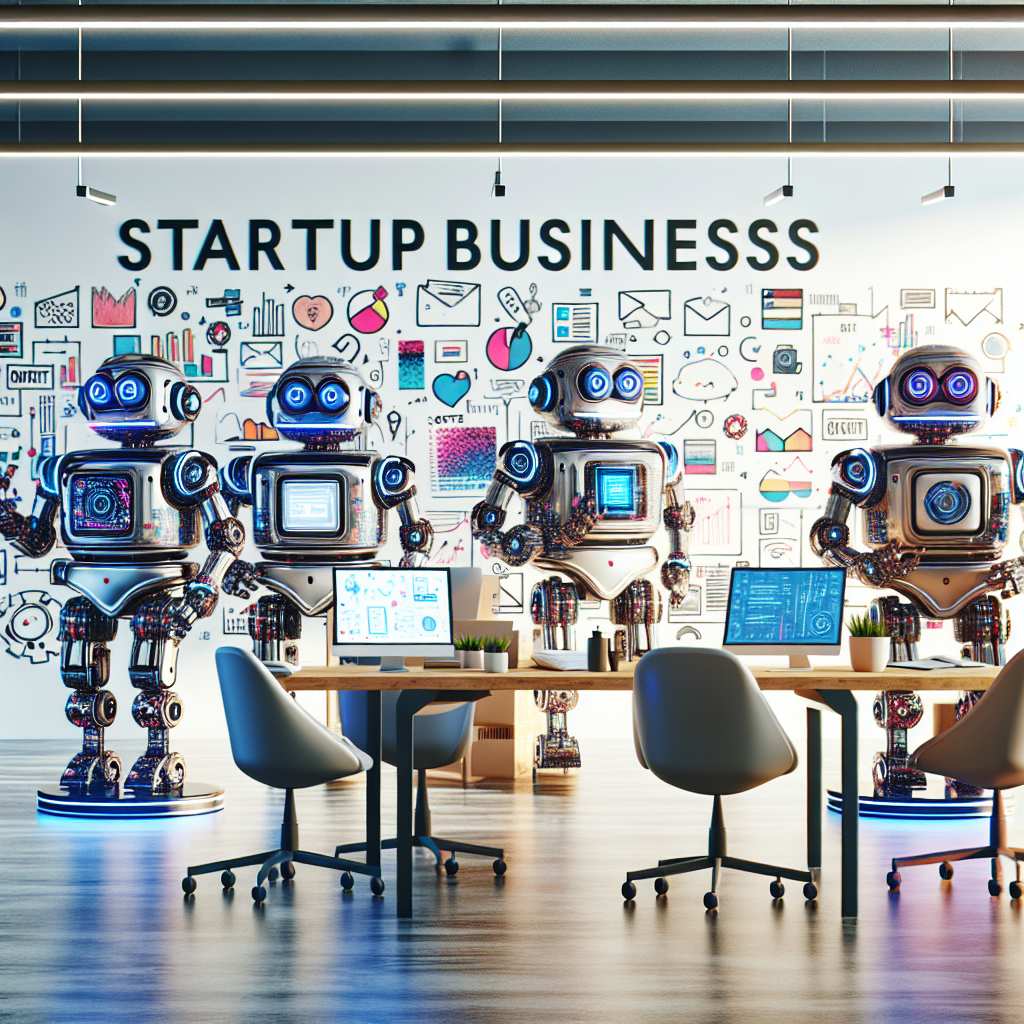
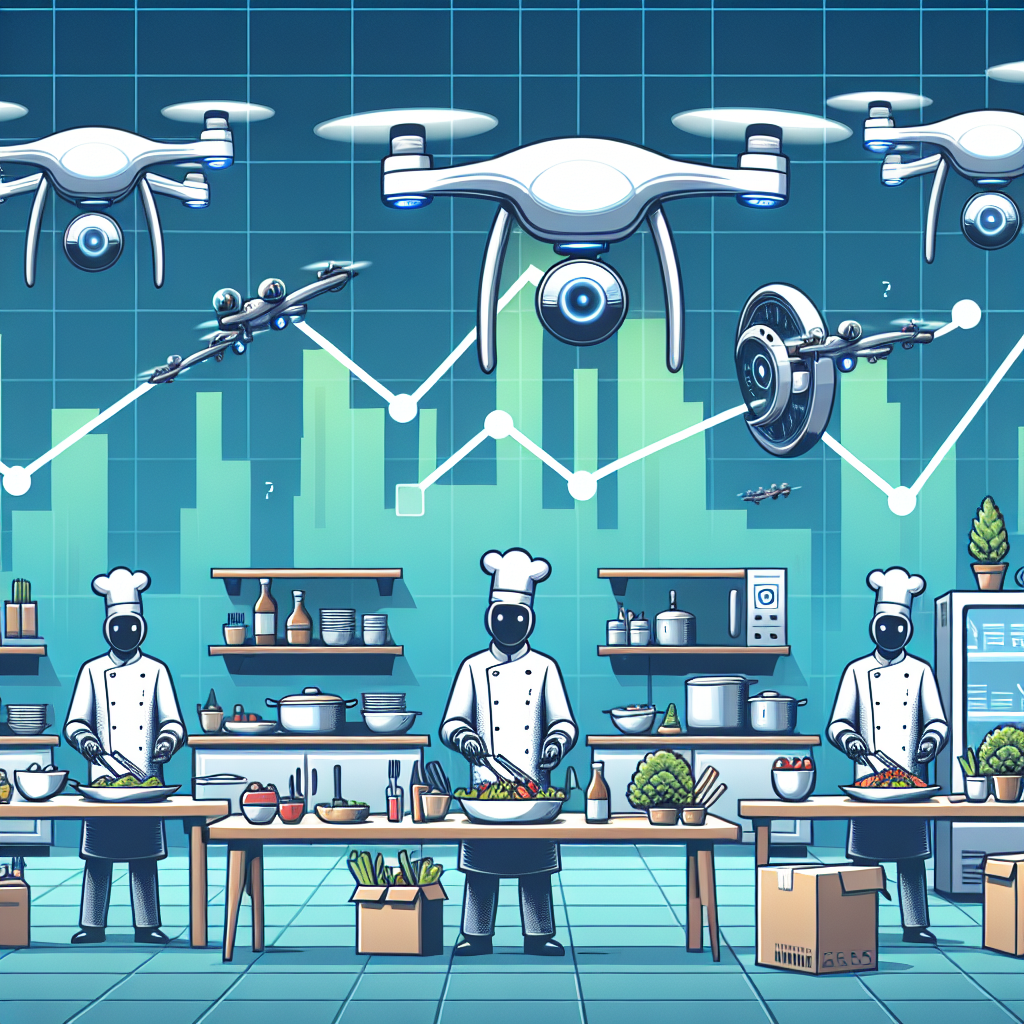
In a bold move that could redefine the landscape of the food service industry, the startup RoboGourmet announced a staggering $150 million investment round led by a consortium of global funds. With their revolutionary biomimetic robots designed to mimic the intricate techniques of gourmet chefs, the company aims to serve meals prepared and delivered entirely by machines—because who wouldn't want a robot to prepare their avocado toast?
Why Now?
As the food delivery sector continues to grow at an impressive annual rate of 12%, fueled by a pandemic-induced surge in home dining, the timing could not be more opportune for RoboGourmet. CEO Jane Smith quipped, "When life gives you lockdowns, make robotic chefs. We’re basically the Uber of culinary experiences—minus the human drivers and, you know, the unpredictability. Our robots never forget the order!"
Market Context: A Recipe for Growth
The global food delivery market, projected to reach $200 billion by 2027, has seen a 40% increase in demand in the last year alone. Amidst this robust growth, investment in technology-driven solutions has surged, with the biomimetic robot sector alone expected to grow at a compound annual growth rate of 25%. Analysts suggest we might soon be dining on meals prepared by robots that not only replicate the techniques of Michelin-star chefs but also understand human emotions—because why not? Humans have been trying to do that for centuries with mixed results.
Dollars in Flavors: Who’s Investing?
The recent investment round attracted notable backers, including Silicon Valley heavyweight VentureCapitalist X, who stated, "We're betting on the future of food prep. If it doesn't involve sprinkles of AI and robotic arms, then what’s the point?" This sentiment comes as no surprise, considering that the tech sector has seen an influx of funds earmarked for innovations that promise to enhance productivity, even if it means letting the robots take the wheel—or, in this case, the spatula.
Risks and Constraints: Dangers of Dining with Droids
However, this robotic culinary utopia is not without its skeptics. Critics argue that the prospect of machines preparing our meals could undermine the very essence of cooking, which, let’s face it, often involves a generous sprinkling of human error. Culinary analyst Bill Forks remarked, "What happens when a robot miscalculates the salt? Are we prepared for a future of blandness?"
Adding fuel to the fire, there are concerns surrounding job displacement. With an estimated 3 million food service jobs on the line, the future of work may soon involve retraining chefs to become robot mechanics rather than culinary artists. No one wants to see their beloved local diner replaced by a sterile factory of robotic sous chefs, flipping pancakes with the precision of a NASA engineer.
The Opposing View: The Human Touch vs. Cold Metal
Moreover, culinary purists lament the loss of the human touch in meal preparation. Can a robot truly understand the difference between a “pinch of salt” and a “hefty dose of despair” when preparing a meal? Food critic Harriet Plate stated, "Food is an art form, not merely a science. The emotional connection we share over a meal can’t be coded in lines of binary." One can only wonder what a robot would say in response; perhaps something in the realm of, "Error 404: Emotion not found."
Conclusion: Can We Trust Our Meals to Machines?
As RoboGourmet and its ilk continue to push the boundaries of culinary technology, one has to ponder whether we are truly ready to embrace a future where the kitchen is ruled by robots. While the appeal of efficiency and consistency is undeniable, the question remains: will we sacrifice the joy of cooking for the convenience of automation? As we ponder this gastronomic conundrum, perhaps it’s best to keep a spatula nearby—just in case the robots decide to rebel and serve nothing but plain oatmeal for eternity.
Key Metrics
- Global food delivery market size by 2027: $200 billion
- Annual growth rate of food delivery sector: 12%
- Biomimetic robot market growth rate: 25%
- Estimated food service jobs impacted: 3 million
What's Your Reaction?
 Like
0
Like
0
 Dislike
0
Dislike
0
 Love
0
Love
0
 Funny
0
Funny
0
 Angry
0
Angry
0
 Sad
0
Sad
0
 Wow
0
Wow
0