


Analyzing the Rise of Emotion-Driven Communication Technologies in Family Interactions
By Startup Korea Research Desk | May 24, 2026 The landscape of family communication is undergoing a significant transformation as technology increasingly plays a central role in how individuals connect with one another. Recent developments in em...

By Startup Korea Research Desk | May 24, 2026
The landscape of family communication is undergoing a significant transformation as technology increasingly plays a central role in how individuals connect with one another. Recent developments in emotion-driven communication tools, particularly those leveraging advanced algorithms and edge computing, highlight a growing trend towards enhancing emotional literacy within familial interactions. This analysis explores the implications of these technologies, the investment landscape, potential risks, and the strategies that founders should consider when navigating this evolving market.
The Need for Enhanced Family Communication
In today’s fast-paced digital world, many families find themselves struggling to maintain meaningful connections. Traditional communication methods often fail to convey emotional nuances, leading to misunderstandings and feelings of estrangement. As a response to this challenge, startups are emerging with innovative solutions aimed at bridging the emotional gap in family interactions.
Technological Innovations: Emotion Filters and Edge Computing
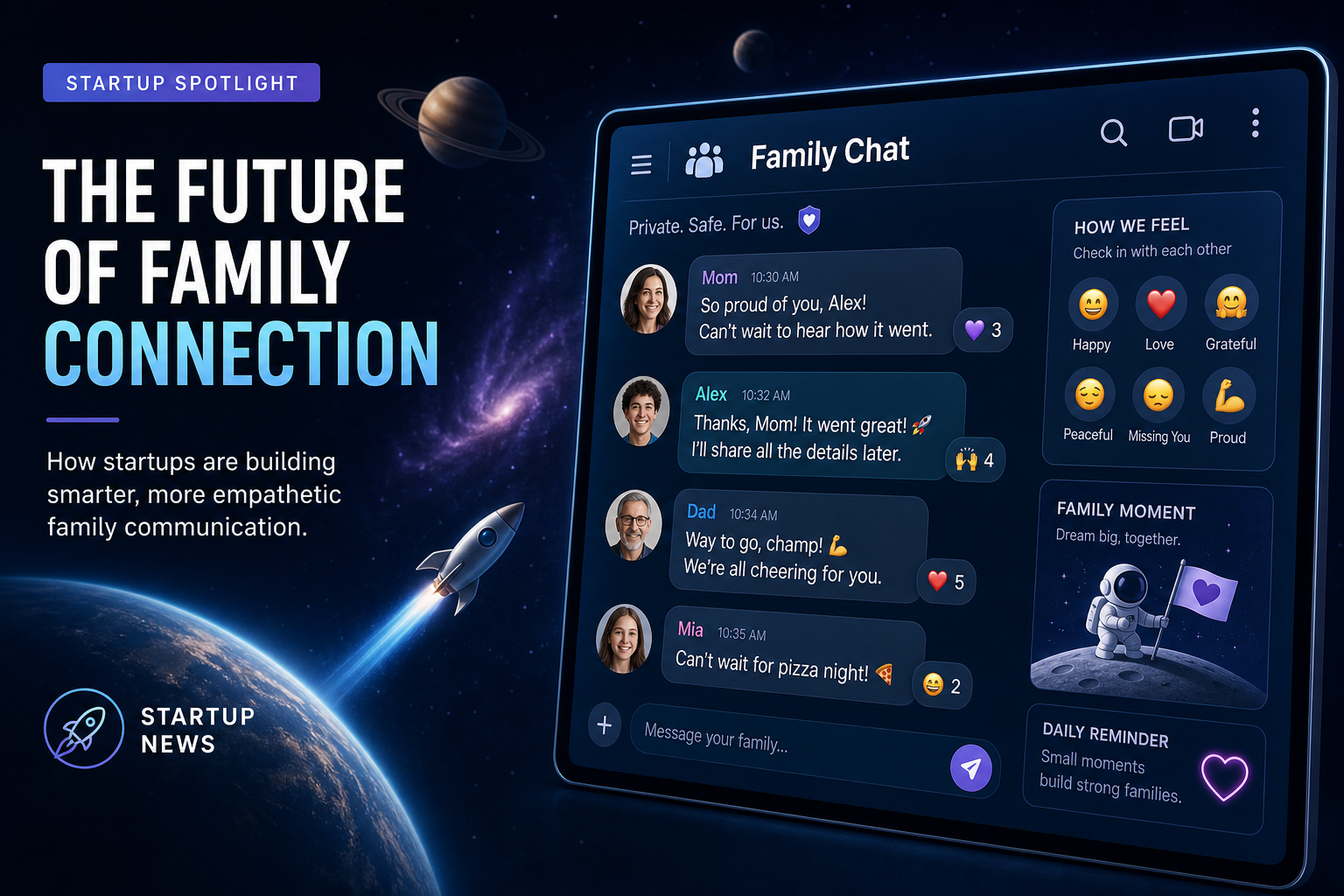
One of the most intriguing advancements in this space is the development of emotion filters—technologies that analyze text and emoji usage in real-time to provide contextual emotional insights. By employing edge computing, which processes data closer to the source rather than relying on centralized cloud servers, these applications can deliver immediate feedback and enhance the user experience. This approach not only improves communication but also allows for a more nuanced understanding of emotional expressions, potentially fostering greater empathy among family members.
Investment Trends in Emotional Wellness Technology
The investment landscape for technologies that enhance personal relationships is evolving. Venture capital firms are increasingly interested in startups that focus on emotional wellness, recognizing the growing demand for tools that facilitate better communication within families. The emotional wellness tech sector was valued at approximately $2 billion in 2025, with projections suggesting it could reach $6 billion by 2028. This surge reflects a broader societal recognition of the importance of emotional health and the role technology can play in supporting it.
Challenges and Risks in Adoption
Despite the promising potential of emotion-driven communication technologies, there are significant challenges and risks associated with their adoption. One major concern is the ethical implications of commodifying emotional expression. Critics argue that while these technologies may enhance communication, they could also lead to a superficial understanding of emotions, undermining the authenticity of familial relationships. Additionally, there are legal considerations regarding data privacy and the handling of sensitive emotional information.
Investor Diligence and Market Viability
For investors, due diligence is crucial when evaluating startups in this space. Key factors to consider include the technology’s scalability, the team’s expertise in emotional intelligence, and the startup’s approach to addressing ethical concerns. Investors should also assess the market demand for such technologies and the competitive landscape, as the field is likely to attract numerous entrants seeking to capitalize on the emotional wellness trend.
Strategic Considerations for Founders
Founders of startups focused on emotion-driven communication must adopt a strategic approach to navigate the complexities of this market. Building a strong value proposition that emphasizes the benefits of emotional literacy and authentic communication will be essential. Additionally, fostering partnerships with mental health professionals and researchers can enhance credibility and provide valuable insights into user needs.
Conclusion
The integration of emotion filters and edge computing into family communication tools represents a significant advancement in how families interact in the digital age. While the potential for enhancing emotional connections is substantial, it is vital for stakeholders to address the ethical and practical challenges that accompany these technologies. As the market for emotional wellness continues to grow, both investors and founders must remain vigilant in their pursuit of solutions that genuinely enrich familial relationships.
Editor's note: This analysis is original market research and does not constitute investment advice.
What's Your Reaction?
 Like
0
Like
0
 Dislike
0
Dislike
0
 Love
0
Love
0
 Funny
0
Funny
0
 Angry
0
Angry
0
 Sad
0
Sad
0
 Wow
0
Wow
0