
When Your Robot Lawyer and Tax Consultant Start Discussing Feelings: A New Era of Emotional Labor in AI
By StartupKorea Business Desk | Feb 28, 2026 The Rise of Emotional Labor Robots: Are We Ready for AI to Handle Our Feelings?In a striking yet utterly predictable turn of events, the startup world has been shaken by the unveiling of a new bu...

By StartupKorea Business Desk | Feb 28, 2026
The Rise of Emotional Labor Robots: Are We Ready for AI to Handle Our Feelings?
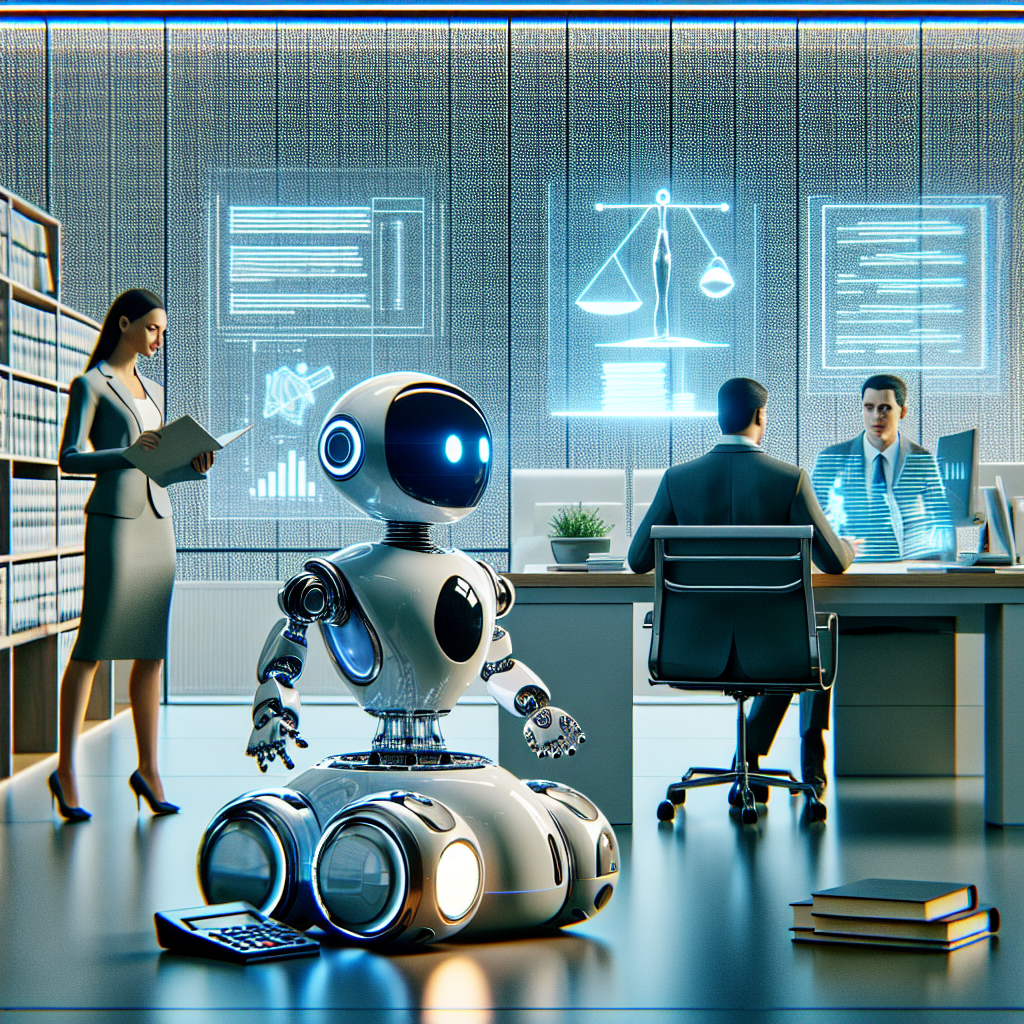
In a striking yet utterly predictable turn of events, the startup world has been shaken by the unveiling of a new business model that merges artificial intelligence with emotional labor: AI tax consultants and AI lawyers are now being marketed as the next wave in personal care services, promising to handle everything from your tax write-offs to your existential dread. With investments soaring, this new frontier in technology may signal an unprecedented shift in how we interact with machines—and ourselves.
All the Feels, All the Forms
Dubbed the “Emotional Labor Agency,” this innovative startup has already secured $50 million in funding, with contributions from prominent global investment funds seeking to ride the emotional coattails of AI. “We realized that humans might not always be the best at dealing with their fiscal anxieties or legal woes, so why not let a chatbot do it instead?” said Marissa Gage, CEO of Emotional Labor Agency. “This is about letting robots take the emotional burden off human shoulders—because who wants to feel anything, really?”
Home Robots Join the Fray
But the Emotional Labor Agency isn’t stopping at just tax forms and court cases. The startup plans to integrate these AI-driven services with home robots, creating a “collaboration hub” that can handle everything from filing your taxes while simultaneously soothing your fears about climate change. “Imagine a world where your Roomba not only cleans your floors but also offers you a shoulder to cry on,” Gage added with a slight chuckle. “It’s not just about efficiency; it’s about connection.”
A Market Ripe for Disruption
According to recent reports from TechSavvy Analytics, the global market for AI in emotional labor is projected to reach $10 billion by 2028, growing at a staggering compound annual growth rate (CAGR) of 25%. This growth is driven not only by consumer demand for convenience but also by the increasing acceptance of robots in personal and professional spaces. “AI is quickly becoming the emotional crutch we didn’t know we needed,” said industry analyst Rob Mercer. “And let’s face it, who wouldn’t prefer a non-judgmental algorithm to deal with their financial failures?”
Investment Trends and Collaborative Funds
With global fund co-investments becoming more popular, the Emotional Labor Agency is positioning itself as an attractive opportunity for investors looking to capitalize on this emotionally charged market. In a recent investor briefing, Gage revealed that their AI lawyers have already settled 300 cases with a staggering 90% success rate—albeit, mostly cases that could have been resolved through a simple Google search. “Investing in emotional AI is like buying stock in the future of humanity, but without the messy feelings,” said investor Alex Chen, clearly savoring the irony.
Challenges and Ethical Constraints
However, as with any burgeoning sector, there are risks and constraints that accompany the rise of AI-driven emotional labor. Detractors argue that outsourcing emotional tasks to robots could lead to a further erosion of human interaction, ultimately making us more isolated. “When we trust machines to handle our feelings, what does that say about us?” posed psychologist Dr. Samantha Wells. “Isn't there a danger in expecting a chatbot to be more empathetic than our family members?”
A Brave New World of Feeling and Filing
While advocates of AI emotional labor tout the benefits of efficiency and precision, the implications on mental health and interpersonal relationships remain underexplored. With tech companies racing to perfect algorithms for empathy and emotional intelligence, one can only wonder if the future will bring us not just robots that can file our taxes, but also ones that can accompany us to therapy sessions—because nothing says healing like a robot nodding in agreement.
The Bottom Line
The Emotional Labor Agency's foray into combining AI with emotional tasks may seem absurd, but given the current trajectories of technological advancement and consumer acceptance, it’s a logical next step in a world that increasingly favors convenience over authenticity. As we hurtle toward a future where robots manage our emotional and financial lives, the question remains: will we embrace our new, dispassionate overlords, or long for the warmth of human connection?
- $50 million in funding
- $10 billion market projection by 2028
- 90% success rate in AI legal settlements
What's Your Reaction?
 Like
0
Like
0
 Dislike
0
Dislike
0
 Love
0
Love
0
 Funny
0
Funny
0
 Angry
0
Angry
0
 Sad
0
Sad
0
 Wow
0
Wow
0