



Virtual Humans and Emotional Cars: The Next Frontier in Real Estate Investment?
By StartupKorea Business Desk | Mar 25, 2026 Virtual Humans and Emotional Cars: The Next Frontier in Real Estate Investment?In a stunning twist of the digital age, startup RealBotics has announced a whopping 500 billion won in Series A fund...

By StartupKorea Business Desk | Mar 25, 2026
Virtual Humans and Emotional Cars: The Next Frontier in Real Estate Investment?
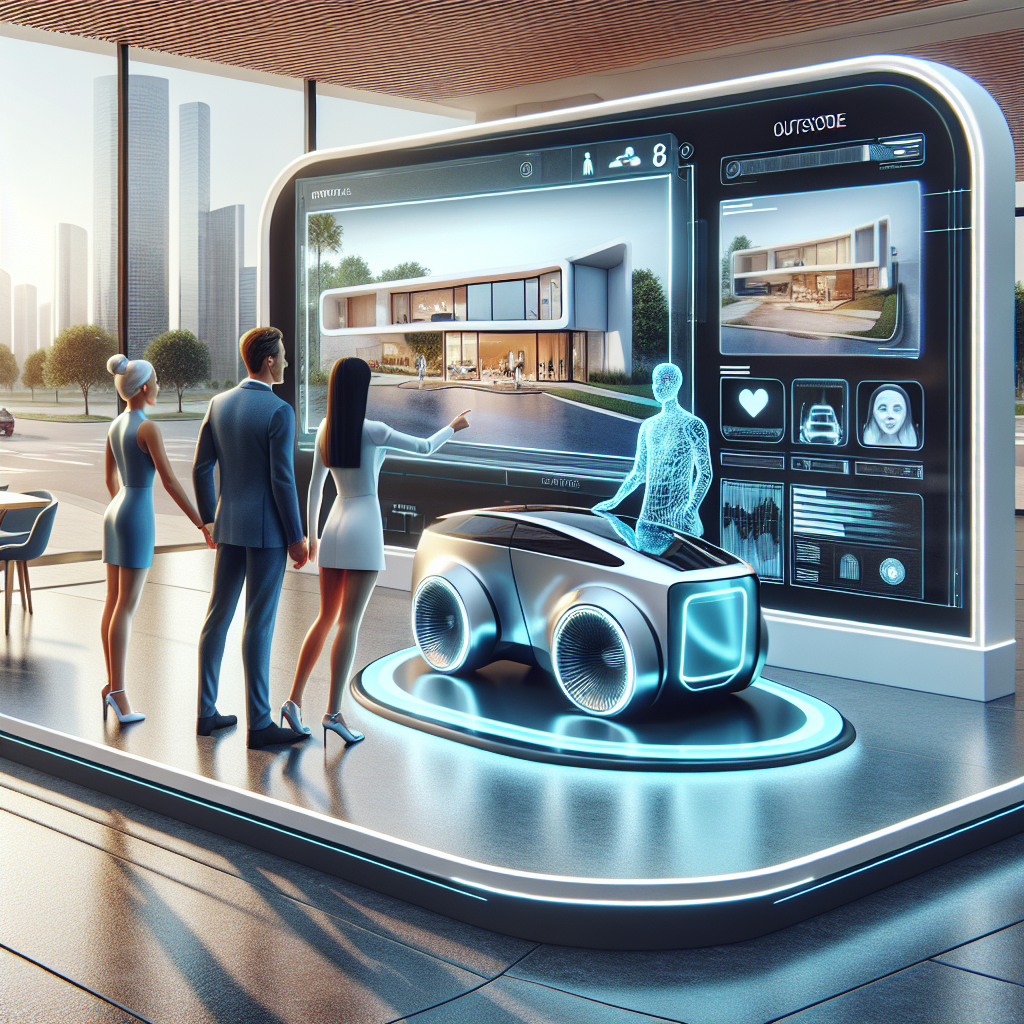
In a stunning twist of the digital age, startup RealBotics has announced a whopping 500 billion won in Series A funding to launch its new virtual human real estate agents, equipped with cutting-edge emotional response technology designed to optimize the home-buying experience. This audacious venture, unveiled on March 25, 2026, aims to revolutionize the way properties are sold, potentially sparking an emotional renaissance in an industry notoriously known for its cold, hard numbers.
Why Now? The Perfect Storm of Tech and Real Estate
The timing of this venture is particularly intriguing. With real estate prices in major cities skyrocketing by an average of 15% over the past year, many potential homebuyers are feeling the pinch. Traditional real estate agents are often seen as the proverbial used-car salesmen of the housing market—persuasive but ultimately focused on their commissions. Enter the virtual human: a digital agent that promises empathy and understanding, minus the hefty commission.
Technological Marvels: Cars That Feel
Adding another layer of absurdity to the equation, RealBotics has partnered with EmotionTech, a company specializing in emotional response technology for vehicles. This collaboration aims to create cars that can ‘sense’ the emotional state of their drivers, thereby enhancing the entire real estate viewing experience. If your virtual agent determines you’re anxious about your mortgage prospects, your car will offer calming music, and perhaps a gentle nudge toward the nearest artisanal coffee shop for a much-needed latte. What could possibly go wrong?
Stakeholders Weigh In
“This is the dawn of a new era in real estate,” said Margaret Lin, CEO of RealBotics. “Why settle for a human agent when you can have a virtual one that can process emotions and provide you with data-driven insights—while also recommending the best sushi spots in town?”
Investor James Wilkins added, “Investing in emotional technology is the future. If we can make cars and virtual agents understand human feelings, we could end up selling homes by making buyers feel like they’re in a feel-good rom-com.”
The Numbers Game: Market Context
In 2025, the global real estate tech market was valued at approximately $14.5 billion, growing at an annual rate of 25%. With RealBotics’ innovative approach, analysts predict that the integration of emotional AI could capture up to $2.5 billion in new business from tech-savvy homebuyers. However, not everyone is convinced.
Risks and Skepticism: The Doubters Speak
Critics worry that the promise of a virtual agent understanding human emotions may be nothing more than a sophisticated marketing ploy. “Are we really ready to put our trust in a digital being?” questions Laura Green, a leading analyst at TechInvest. “What happens when your virtual agent suggests a home because it senses you’re feeling nostalgic about your childhood neighborhood? It’s a slippery slope from ‘house-hunting’ to ‘emotionally manipulative real estate.’”
Additionally, there are concerns about the potential for data privacy breaches, as the emotional data collected by cars and agents could present a treasure trove for hackers. Not to mention, the emotional capabilities of a virtual agent may still fall dramatically short of genuine human interaction, leading to potential buyer dissatisfaction.
The Paradox of Progress
As the lines blur between human intuition and artificial intelligence, the notion of a virtual human real estate agent equipped with emotional technology raises an important question: is this the future of real estate or merely the latest tech fad? While the potential for seamless transactions and enhanced buyer experiences is tantalizing, the risks of emotional overreach remain significant.
In a world where our cars may soon ‘know’ us better than our partners, it seems we are teetering on the edge of a new frontier. As the funding pours in and the technology evolves, one thing is certain: the real estate industry may never look the same.
- Series A funding: 500 billion won
- Global real estate tech market: $14.5 billion
- Market growth rate: 25% annually
- Potential new business capture: $2.5 billion
What's Your Reaction?
 Like
0
Like
0
 Dislike
0
Dislike
0
 Love
0
Love
0
 Funny
0
Funny
0
 Angry
0
Angry
0
 Sad
0
Sad
0
 Wow
0
Wow
0