



The Rise of Virtual Real Estate Agents: Navigating the Future of Property Sales
The Rise of Virtual Real Estate Agents: Navigating the Future of Property Sales By Startup Korea Research Desk | Apr 06, 2026 The real estate industry is undergoing a significant transformation, driven by advancements in technology and changing...


The Rise of Virtual Real Estate Agents: Navigating the Future of Property Sales
By Startup Korea Research Desk | Apr 06, 2026
The real estate industry is undergoing a significant transformation, driven by advancements in technology and changing consumer preferences. The emergence of virtual real estate agents represents a pivotal shift in how properties are marketed and sold, particularly in challenging environments. This analysis explores the current landscape of virtual agents in real estate, the technology behind them, market trends, and the implications for investors and stakeholders.
Market Context: A Growing Opportunity
As of 2025, global real estate transactions were estimated to reach approximately $3.7 trillion, underscoring the immense potential within this sector. The convergence of technology and real estate has created fertile ground for innovation, particularly as consumers increasingly seek convenience and efficiency in their home-buying experiences. Virtual agents, powered by artificial intelligence (AI), are positioned to meet these demands, offering a new approach to property sales.
Understanding Virtual Real Estate Agents
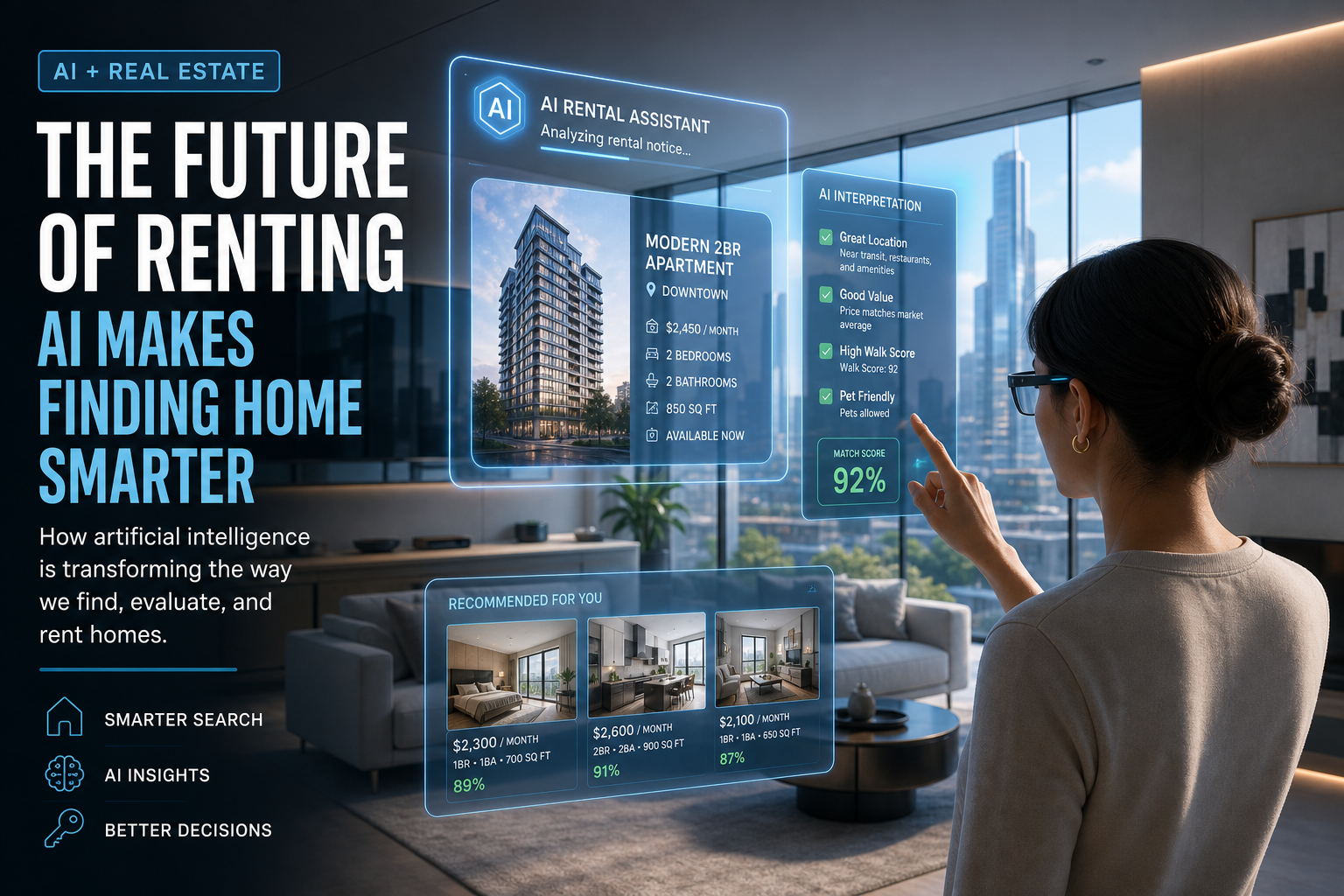
Virtual real estate agents leverage AI and machine learning to facilitate property transactions. These agents can analyze market data, engage with potential buyers, and provide personalized recommendations—all without the limitations of traditional human agents. The technology behind these virtual agents includes advanced algorithms that can process vast amounts of information and simulate human-like interactions.
Adoption Risks and Consumer Sentiment
Despite the promising capabilities of virtual agents, there are inherent risks associated with their adoption. A recent survey indicated a divided sentiment among potential home buyers: while 55% expressed excitement about the prospect of engaging with a virtual agent, 45% preferred traditional human interactions. This highlights a critical challenge for companies looking to implement AI-driven solutions in real estate—balancing technological innovation with the human touch that many consumers still value.
Investment Trends in PropTech
The investment landscape for property technology (proptech) is evolving rapidly, with significant capital flowing into firms that are pioneering AI applications in real estate. Sovereign wealth funds and venture capitalists are increasingly betting on companies that integrate technology into property sales, recognizing the potential for high returns. This trend reflects a broader movement towards digitization across various industries, with real estate being no exception.
Strategic Considerations for Founders
For founders in the proptech space, developing a robust strategy is essential. This includes not only leveraging cutting-edge technology but also understanding consumer behavior and preferences. Building trust with potential buyers will be crucial, particularly as virtual agents become more prevalent. Founders should consider hybrid models that combine AI capabilities with human oversight to address consumer concerns about the lack of personal interaction.
Future Outlook: The Role of AI in Real Estate
The future of real estate sales is likely to be shaped by the continued integration of AI technologies. As virtual agents become more sophisticated, they will be able to handle increasingly complex transactions and provide deeper insights into market trends. However, the success of these technologies will depend on their ability to adapt to consumer needs and preferences.
Conclusion
The rise of virtual real estate agents signifies a transformative moment in the property sales industry. While the technology offers exciting opportunities for efficiency and innovation, it also presents challenges that must be navigated carefully. Stakeholders, including investors and founders, must remain vigilant in assessing market trends and consumer sentiment as they explore the potential of AI in real estate.
Editor's note: This article provides original market analysis and is not intended as investment advice.
What's Your Reaction?
 Like
0
Like
0
 Dislike
0
Dislike
0
 Love
0
Love
0
 Funny
0
Funny
0
 Angry
0
Angry
0
 Sad
0
Sad
0
 Wow
0
Wow
0