
The Rise of Robotic Chefs: Analyzing the Subscription Culinary Service Market
By Startup Korea Research Desk | May 17, 2026 The culinary landscape is undergoing a significant transformation as advancements in technology intersect with consumer demands for convenience and quality. The emergence of robotic chefs within subs...

By Startup Korea Research Desk | May 17, 2026
The culinary landscape is undergoing a significant transformation as advancements in technology intersect with consumer demands for convenience and quality. The emergence of robotic chefs within subscription culinary services represents a notable trend that could reshape how meals are prepared and consumed in households worldwide.
Market Overview
The global meal kit delivery services market is projected to reach approximately $19.92 billion by 2027, exhibiting a compound annual growth rate (CAGR) of 12.8%. This growth is driven by changing consumer preferences, particularly the increasing desire for home-cooked meals without the associated time and effort. As traditional meal kits gain traction, the introduction of robotic chefs could serve as a catalyst for further market expansion.
Business Model and Consumer Adoption
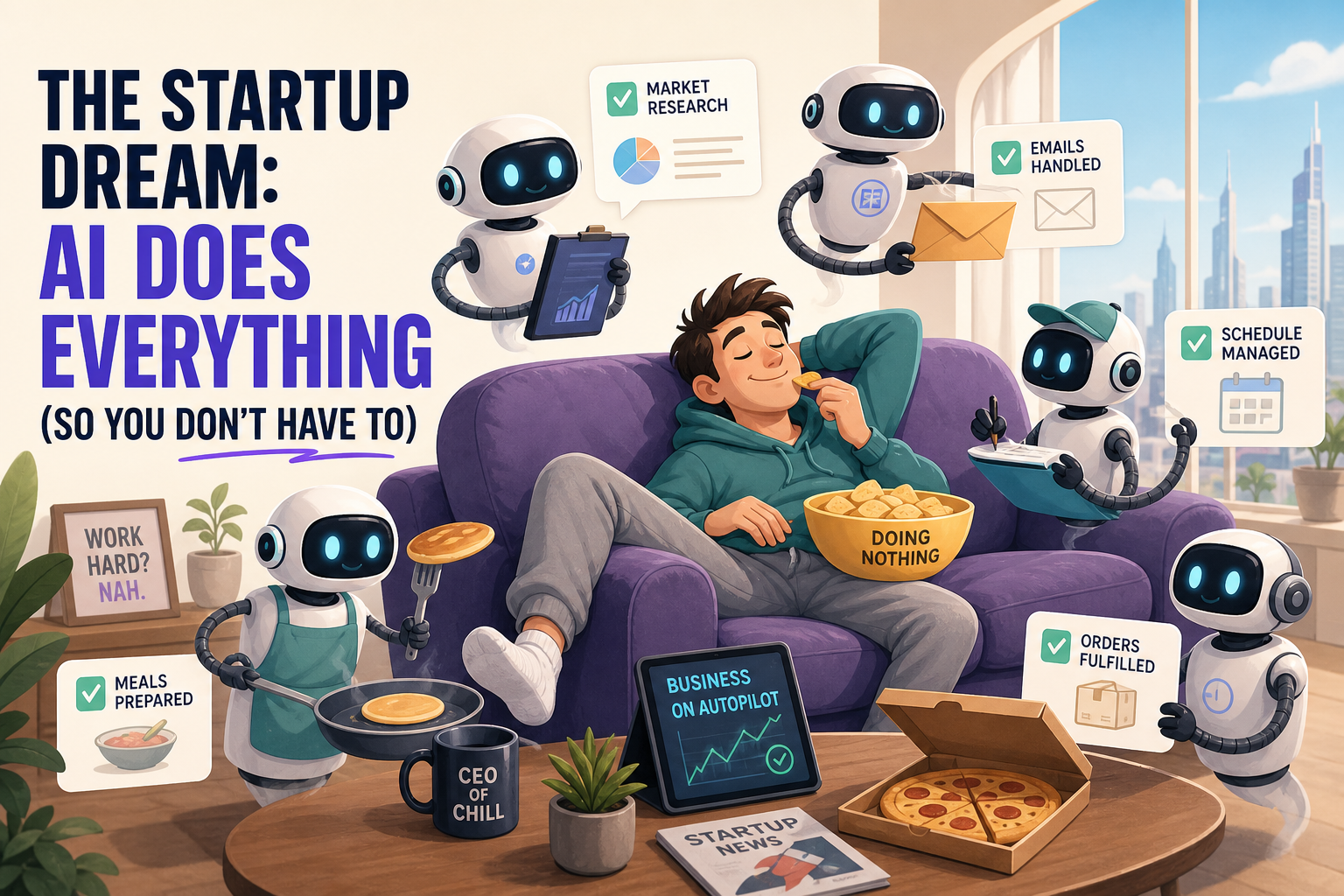
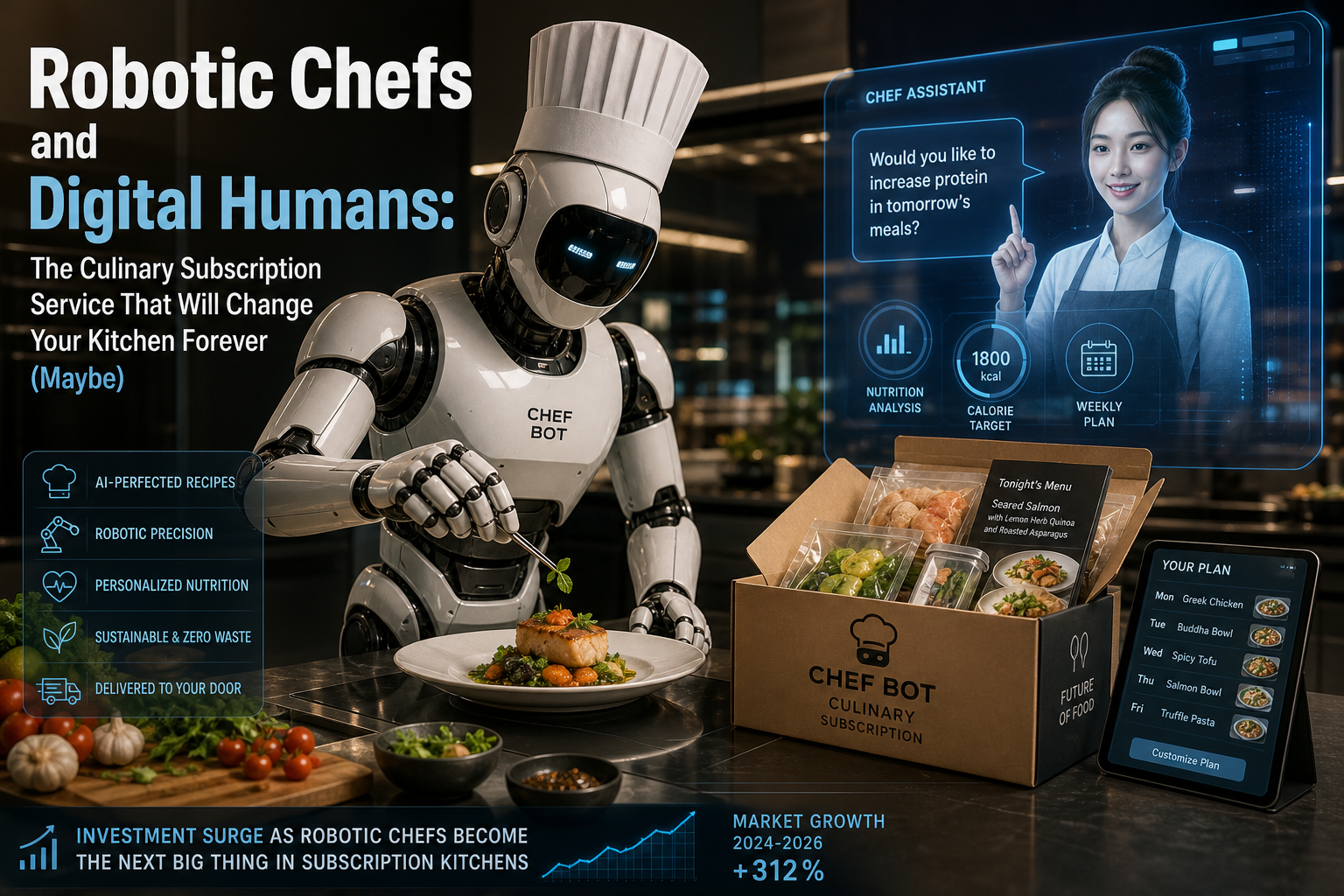
The subscription model for robotic chefs aims to provide consumers with a fully equipped kitchen assistant capable of preparing gourmet meals at the touch of a button. This innovative approach addresses a growing phenomenon known as 'kitchen fatigue,' where individuals feel overwhelmed by the demands of meal preparation and resort to takeout or pre-packaged meals. By offering a solution that combines convenience with culinary excellence, subscription services can appeal to a broad demographic, including busy professionals and families.
Technological Integration
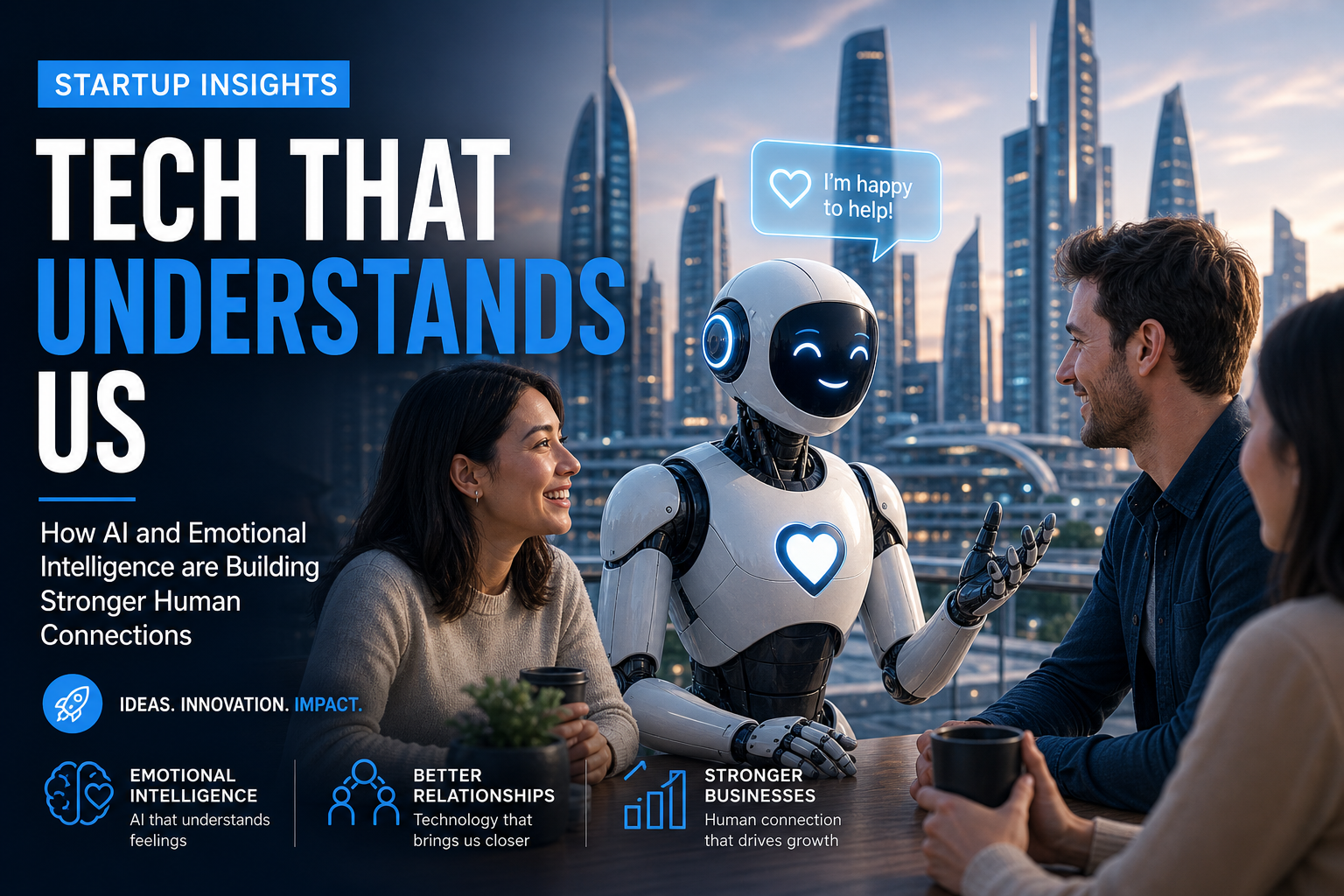
Robotic chefs are not merely automated cooking appliances; they represent a convergence of robotics, artificial intelligence, and food technology. The integration of digital avatars—virtual personalities that can guide users through the cooking process—enhances the user experience. This feature not only provides instructional support but also adds an element of engagement that traditional cooking methods lack. However, the effectiveness of these technologies will depend on their ability to deliver consistent results and adapt to varying consumer preferences.
Investment Landscape
Recent investments in robotic chef startups indicate a growing confidence among investors regarding the potential of this market. Companies are securing significant funding to develop their technologies and expand their offerings. However, investors must exercise diligence in evaluating the sustainability of these business models. Factors such as production costs, technology scalability, and consumer acceptance will play critical roles in determining the long-term viability of robotic chefs in the culinary market.
Challenges and Risks
Despite the promising outlook, the adoption of robotic chefs is not without its challenges. Consumer skepticism regarding the quality and safety of meals prepared by robots remains a significant barrier. Additionally, regulatory hurdles related to food safety standards and technology deployment could impede market entry for new players. As the industry evolves, it will be essential for companies to address these concerns transparently and effectively.
Strategic Considerations for Founders
For founders entering the robotic chef market, a clear strategy is crucial. Understanding target demographics, refining the user experience, and ensuring product reliability will be essential for gaining consumer trust. Furthermore, establishing partnerships with culinary experts and food safety authorities can enhance credibility and facilitate smoother market entry. Founders should also consider the implications of consumer feedback and be prepared to iterate on their offerings based on user experiences.
Conclusion
The rise of robotic chefs within subscription culinary services presents an intriguing opportunity for innovation in the food industry. As consumer preferences continue to evolve, the intersection of technology and cooking could lead to a new era of meal preparation. However, stakeholders must navigate the complexities of market entry, consumer acceptance, and regulatory compliance to ensure success in this emerging sector.
Editor's note: This article provides original market analysis and is not intended as investment advice.
What's Your Reaction?
 Like
0
Like
0
 Dislike
0
Dislike
0
 Love
0
Love
0
 Funny
0
Funny
0
 Angry
0
Angry
0
 Sad
0
Sad
0
 Wow
0
Wow
0