

The Rise of Emotional Technology: Analyzing the SaaS Market for Mood-Enhancing Solutions
The Rise of Emotional Technology: Analyzing the SaaS Market for Mood-Enhancing Solutions By Startup Korea Research Desk | Apr 06, 2026 In recent years, the intersection of technology and emotional well-being has garnered increasing attention, le...


The Rise of Emotional Technology: Analyzing the SaaS Market for Mood-Enhancing Solutions
By Startup Korea Research Desk | Apr 06, 2026
In recent years, the intersection of technology and emotional well-being has garnered increasing attention, leading to the emergence of startups that aim to enhance the emotional ambiance of personal spaces. One such startup has introduced a Software as a Service (SaaS) platform designed to adjust lighting based on user emotions. This analysis explores the market trends, business model viability, adoption risks, and strategic considerations for founders in this niche sector.
Market Trends: The Growing Demand for Emotional Support
The demand for emotional support systems is on the rise as individuals seek to create environments that reflect their emotional states. A survey conducted by the International Institute of Affective Technology revealed that a significant portion of the population feels their home environments do not adequately represent their emotional well-being. This gap presents a unique opportunity for startups focused on emotional technology.
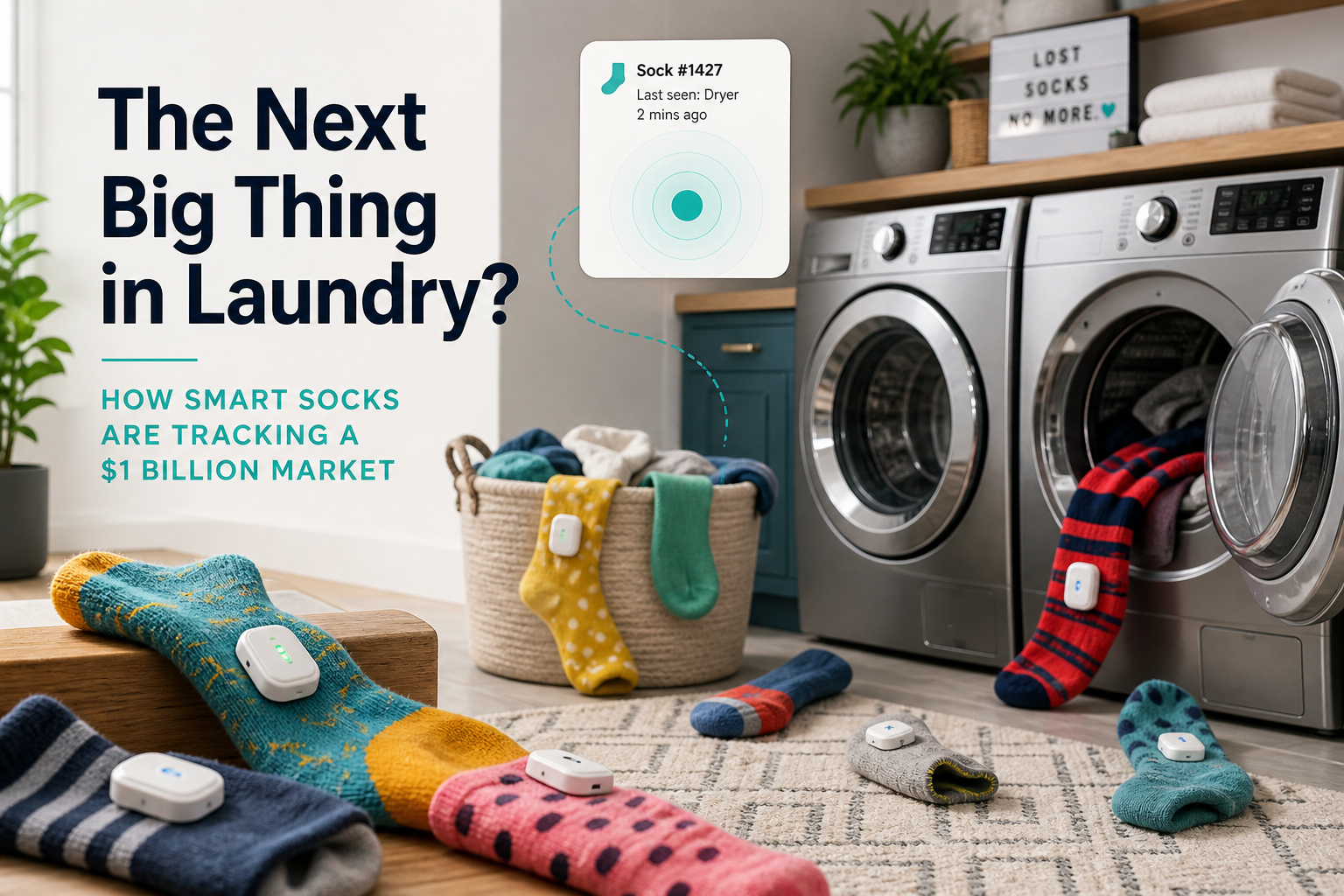
As mental health awareness continues to grow, consumers are increasingly looking for innovative solutions that can help manage their emotional states. The projected market for emotional home technologies is estimated to reach $1 billion by 2028, indicating a robust growth potential for companies operating in this space.
Business Model Viability: SaaS in Emotional Technology
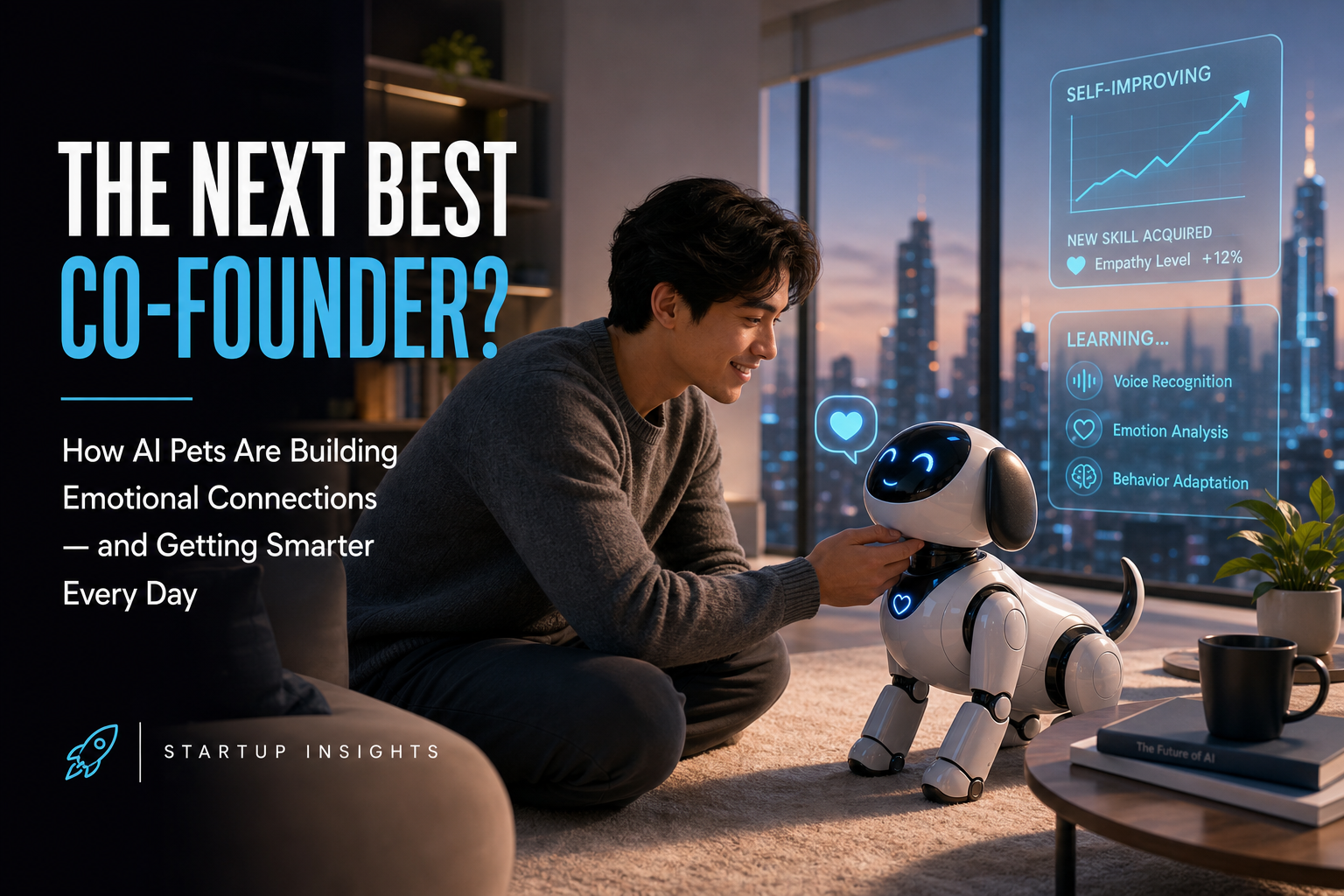
The SaaS model offers several advantages for startups in the emotional technology sector. By providing a subscription-based service, companies can generate recurring revenue while continuously improving their offerings through user feedback and data analytics. This self-improving capability is particularly relevant in the context of emotional technology, where understanding user preferences and emotional patterns is crucial.
- Integration with Smart Home Systems: The ability to integrate seamlessly with existing smart home devices enhances the value proposition of emotional technology solutions. This interoperability allows users to customize their environments without the need for significant additional investments in hardware.
- Personalization: Utilizing machine learning algorithms, these platforms can offer tailored experiences that adapt to individual emotional patterns, thereby increasing user engagement and satisfaction.
- Scalability: The SaaS model allows for scalability, enabling startups to reach a broader audience without the constraints of traditional product distribution.
Adoption Risks: Navigating Consumer Skepticism
Despite the promising market potential, startups in the emotional technology space face several adoption risks. Consumer skepticism regarding the effectiveness of technology in managing emotions may hinder widespread acceptance. Additionally, privacy concerns related to data collection and usage must be addressed to build trust with users.
Startups must also consider the challenge of differentiating their offerings in a crowded market. As more players enter the emotional technology space, establishing a unique value proposition will be essential for attracting and retaining customers.
Investor Diligence: Evaluating Opportunities in Emotional Technology
For investors, the emotional technology sector presents both opportunities and challenges. While the potential for growth is significant, due diligence is critical to assess the viability of individual startups. Key factors to consider include:
- Technology Validation: Investors should evaluate the underlying technology to ensure it is robust and capable of delivering on its promises.
- Market Fit: Understanding the target audience and their specific needs is crucial for determining whether a startup's solution will resonate with consumers.
- Founder Expertise: The experience and vision of the founding team play a vital role in the success of a startup. Investors should assess the team's background in both technology and emotional well-being.
Founder Strategy: Building a Sustainable Emotional Technology Startup
For founders looking to enter the emotional technology market, several strategic considerations can enhance their chances of success:
- Focus on User Experience: Prioritizing user experience in product design will be essential for fostering engagement and loyalty.
- Leverage Data Analytics: Utilizing data analytics to refine offerings and personalize user interactions can create a competitive advantage.
- Partnerships: Collaborating with mental health professionals or organizations can lend credibility to the startup and help address consumer concerns about efficacy.
In conclusion, the emotional technology sector, particularly within the SaaS domain, presents a compelling opportunity for innovation and growth. As consumer demand for emotional support systems continues to rise, startups that can effectively harness technology to enhance emotional well-being will likely find success. However, addressing adoption risks and ensuring a strong value proposition will be critical for long-term sustainability.
Editor's note: This is original market analysis and not investment advice.
What's Your Reaction?
 Like
0
Like
0
 Dislike
0
Dislike
0
 Love
0
Love
0
 Funny
0
Funny
0
 Angry
0
Angry
0
 Sad
0
Sad
0
 Wow
0
Wow
0