

The Rise of Emotional AI: Analyzing a $30 Billion Investment Trend
The Rise of Emotional AI: Analyzing a $30 Billion Investment Trend By Startup Korea Research Desk | Apr 22, 2026 In recent years, the intersection of technology and emotional intelligence has garnered significant attention from investors, culmin...

The Rise of Emotional AI: Analyzing a $30 Billion Investment Trend
By Startup Korea Research Desk | Apr 22, 2026
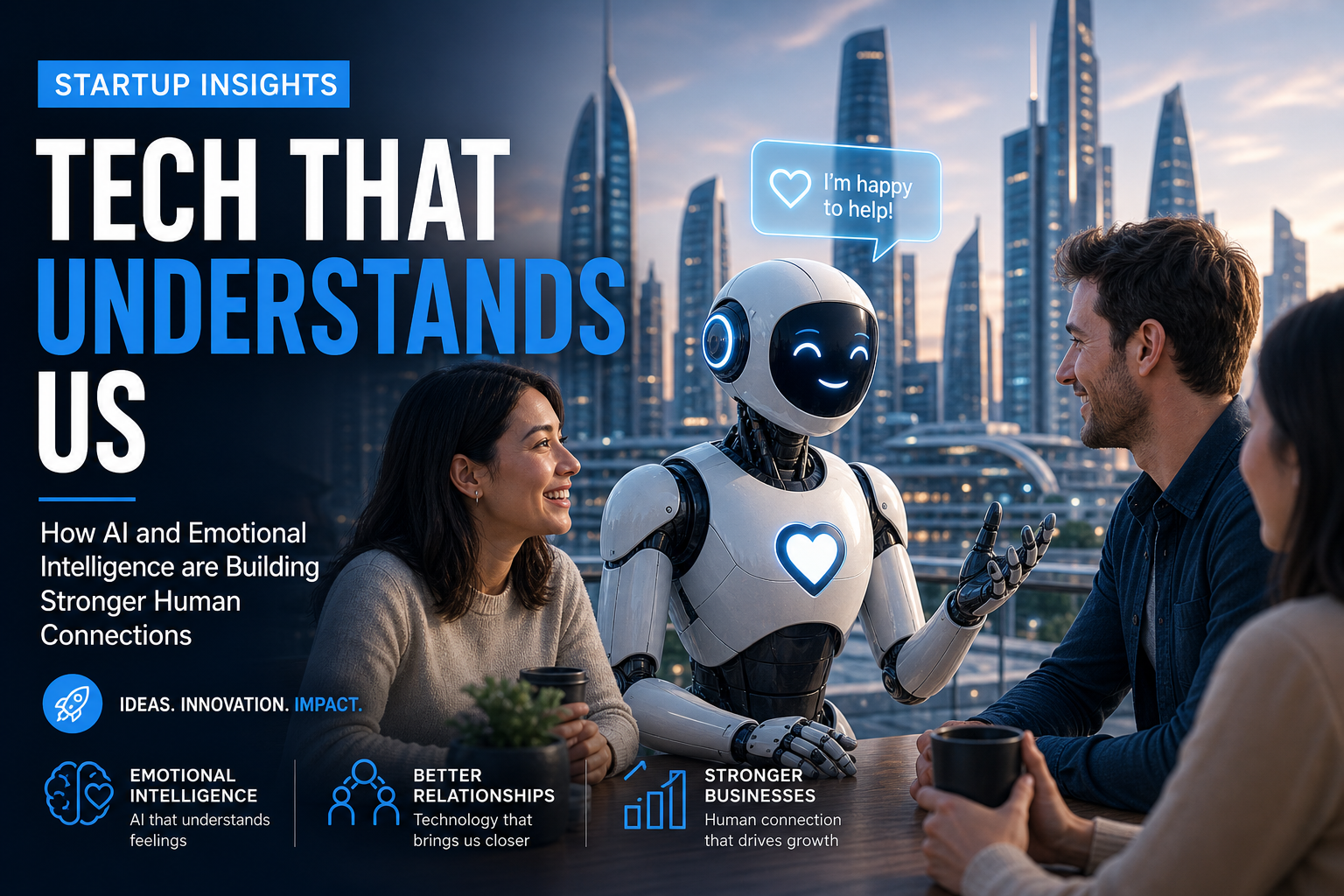
In recent years, the intersection of technology and emotional intelligence has garnered significant attention from investors, culminating in substantial funding rounds for startups focused on emotional AI. A notable example is the recent $30 billion investment in a startup specializing in synthetic sentiment technology. This investment signals a growing belief among investors that emotional AI could redefine communication across various sectors.
Understanding Emotional AI
Emotional AI refers to the development of systems that can recognize, interpret, and respond to human emotions. This technology aims to enhance interactions between humans and machines, making them more intuitive and relatable. As digital communication becomes increasingly prevalent, the demand for tools that can facilitate emotional understanding is on the rise.
Market Growth and Projections
According to industry analysts, the emotional AI market is projected to experience robust growth, with estimates suggesting an annual growth rate of around 25%. If these projections hold true, the market could surpass $200 billion by 2030. This growth is driven by the increasing reliance on digital platforms for communication, as well as the desire for more personalized and empathetic interactions.
Investment Landscape
The recent influx of capital into the emotional AI sector reflects a broader trend where investors are seeking opportunities in technologies that enhance user experience through emotional engagement. The substantial funding indicates confidence in the potential for emotional AI to penetrate various industries, including marketing, customer service, and mental health.
- Marketing: Companies are increasingly leveraging emotional AI to create more targeted and emotionally resonant advertising campaigns.
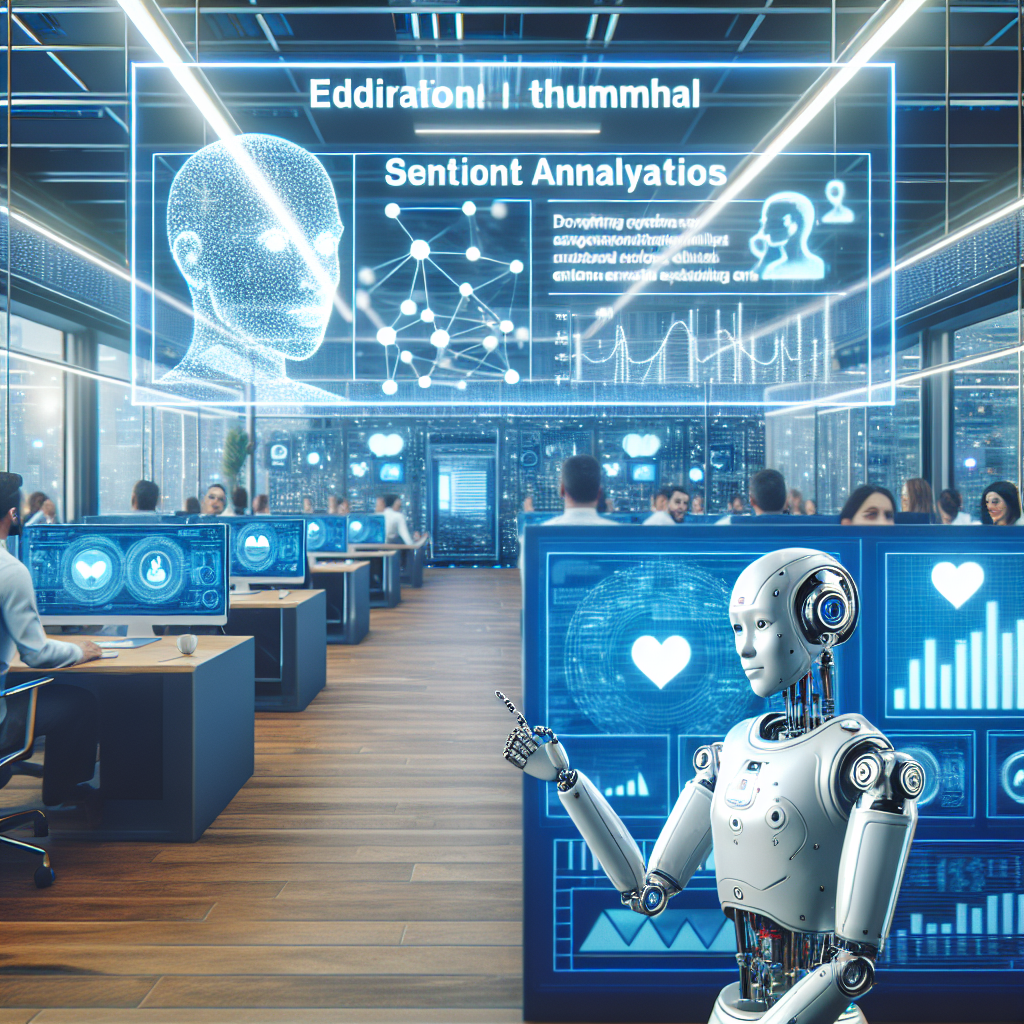
- Customer Service: Businesses are adopting sentiment analysis tools to improve customer interactions and satisfaction.
- Mental Health: Emotional AI applications are being explored as tools for providing support and resources for mental health professionals.
Challenges and Risks
Despite the promising outlook, the adoption of emotional AI is not without challenges. One significant concern is the ethical implications of using machines to interpret human emotions. Questions arise regarding privacy, consent, and the potential for misuse of emotional data. Furthermore, the effectiveness of synthetic sentiment in replicating genuine human empathy remains to be fully validated.
Investors must conduct thorough due diligence when evaluating startups in this space. Understanding the technology's limitations, market demand, and regulatory landscape is crucial for making informed investment decisions. Additionally, the competitive landscape is evolving rapidly, with numerous players entering the market, which could impact the long-term viability of individual companies.
Strategic Considerations for Founders
For founders in the emotional AI sector, developing a clear value proposition is essential. Startups must articulate how their technology can genuinely enhance emotional understanding and improve user experiences. Collaborations with industry experts and mental health professionals can provide valuable insights and lend credibility to their offerings.
Moreover, focusing on user feedback and iterative development can help refine products to better meet market needs. As emotional AI continues to evolve, founders should remain adaptable and responsive to emerging trends and consumer preferences.
Conclusion
The significant investment in emotional AI reflects a growing recognition of the importance of emotional intelligence in technology. As the market continues to expand, both opportunities and challenges will arise. Stakeholders must navigate these dynamics carefully to harness the full potential of emotional AI while addressing ethical considerations and ensuring user trust.
Editor's note: This analysis is an original market assessment and does not constitute investment advice.
What's Your Reaction?
 Like
0
Like
0
 Dislike
0
Dislike
0
 Love
0
Love
0
 Funny
0
Funny
0
 Angry
0
Angry
0
 Sad
0
Sad
0
 Wow
0
Wow
0