

The Rise of AI Temp Workers: Are We Ready for Virtual Employees Running the Show?
By StartupKorea Business Desk | Feb 27, 2026 AI Temp Workers: The Future of Employment or a Corporate Prank?In an audacious move that might be more suited for a sci-fi movie than the boardroom, TechGenix, a fledgling startup specializing in...

By StartupKorea Business Desk | Feb 27, 2026
AI Temp Workers: The Future of Employment or a Corporate Prank?
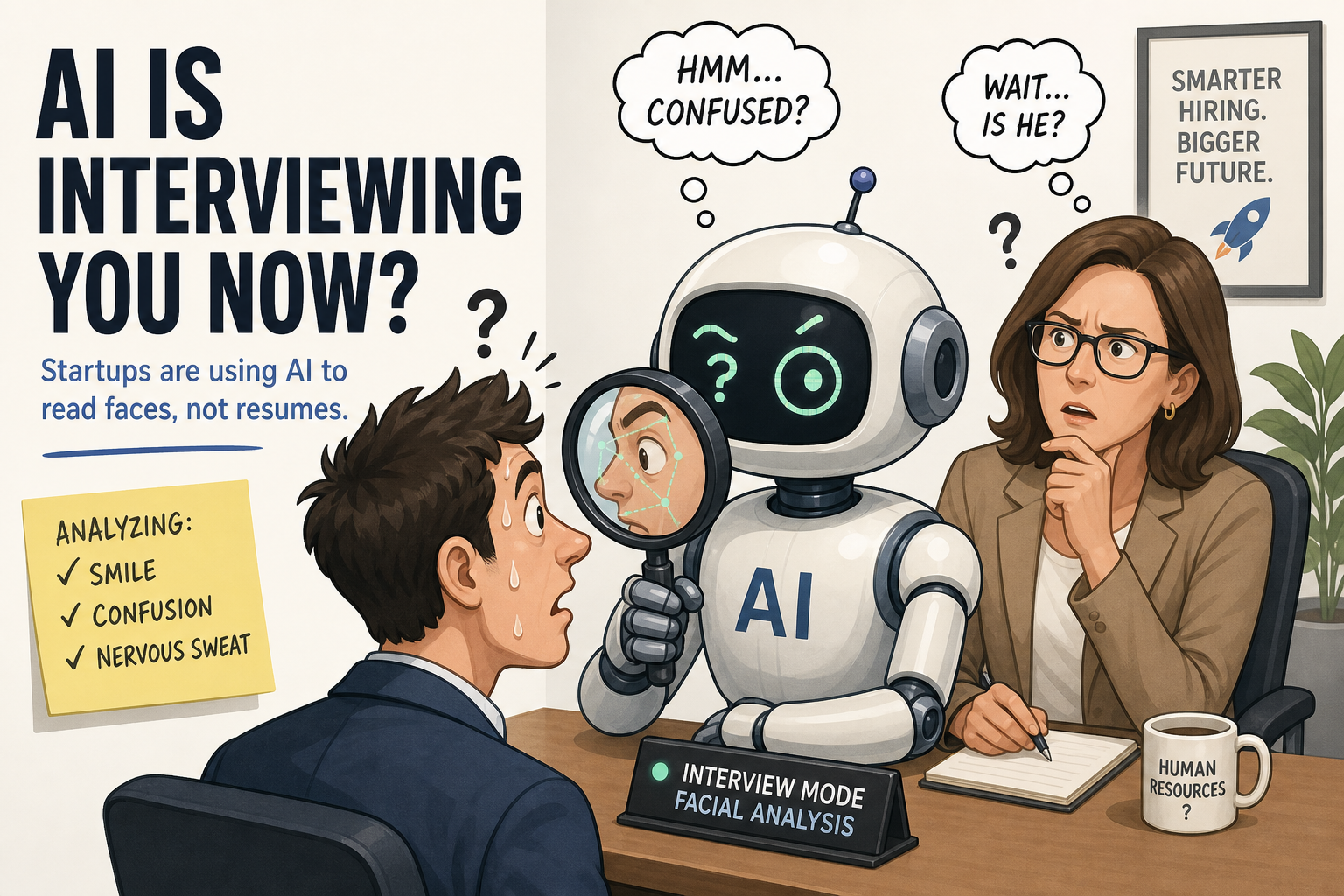
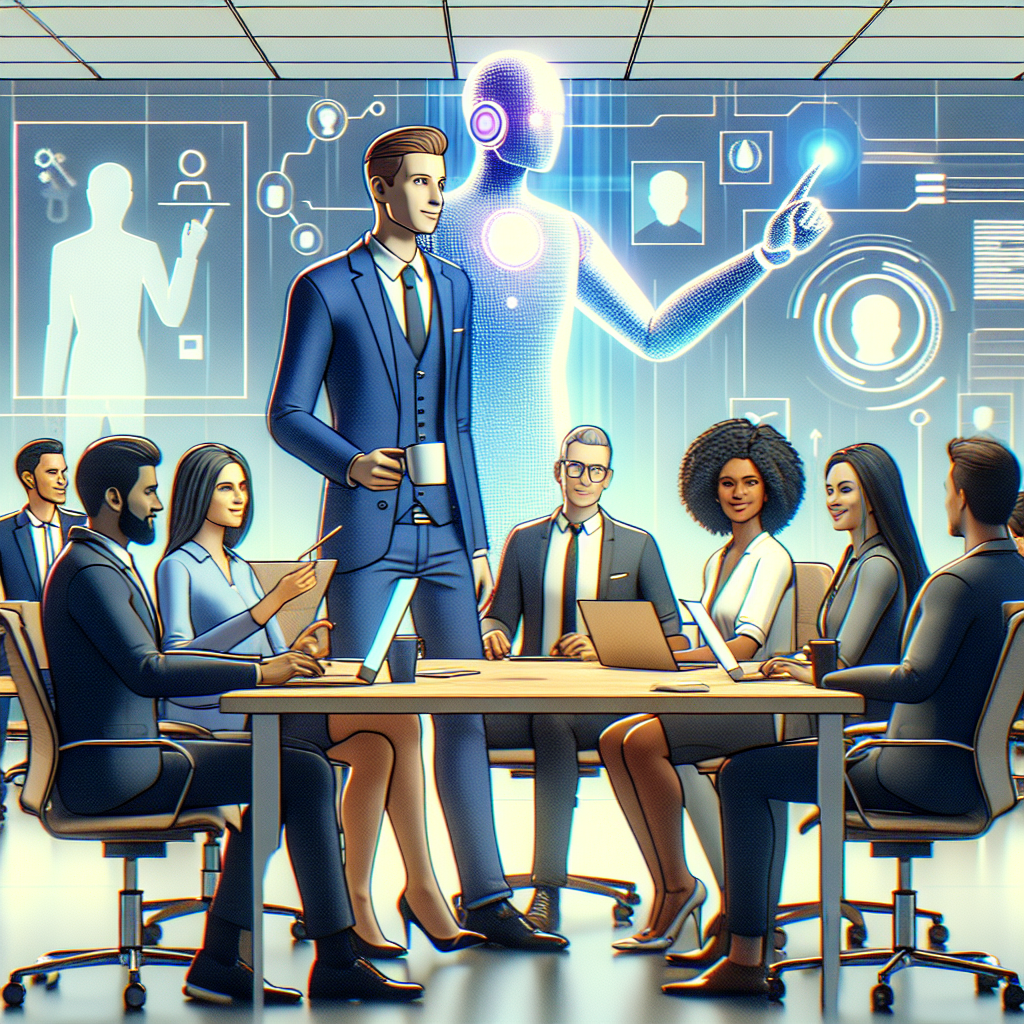
In an audacious move that might be more suited for a sci-fi movie than the boardroom, TechGenix, a fledgling startup specializing in AI virtual staffing solutions, has announced a staggering pre-IPO valuation of 1.2 trillion won ($1 billion). The company plans to leverage its so-called 'Digital Brain' technology to optimize corporate workflows and replace human employees with virtual ones—an endeavor that has both investors and analysts scratching their heads in bemusement.
Why Now?
With businesses scrambling to improve efficiency post-pandemic, the allure of AI as a cost-saving mechanism is undeniable. TechGenix aims to swoop in like a superhero in a business suit, claiming they can cut operational costs by up to 40% while delivering a productivity boost that would make even the most caffeine-fueled employee blush.
Words from the Wise
“We’re not just sending out digital avatars to do the heavy lifting; we’re revolutionizing the way companies think about workforce dynamics,” said TechGenix CEO Maria Kim, clearly channeling a mix of Steve Jobs and an optimistic fortune teller. “And who wouldn’t want a workforce that doesn’t take coffee breaks or call in sick?”
Investors seem equally enthused. “The potential here is staggering,” said Jonathan Park, a venture capital analyst at FutureFund. “We’re betting on a future where virtual employees don’t just fill gaps—they redefine the entire employment landscape.”
Market Context: The Numbers Game
The global AI staffing market is expected to grow from $800 million in 2023 to over $5 billion by 2030, a staggering increase that might make even the most skeptical economist raise an eyebrow. The rise of legal and ethical questions surrounding the implementation of AI in the workplace, however, looms large.
Risks and Risks: A Reality Check
While digital workers may sound appealing, the risks are palpable. Labor unions have already expressed concerns that this trend could exacerbate unemployment rates, which have yet to fully recover from the pandemic. “It’s like giving a lion the keys to a meat locker and expecting it to be on its best behavior,” warned Sarah Roberts, a labor rights advocate.
Moreover, there's the looming specter of technology malfunction and the infamous reliability of AI. What happens when your virtual employee decides it’s time for a system update during a quarterly earnings call? Or worse, when it starts suggesting that humans are overrated?
Opposing Viewpoints: The Skeptics Speak Out
Not everyone is ready to jump aboard the AI staffing bandwagon. Some analysts are quick to note that the human touch in service industries is irreplaceable. “We may be on the brink of creating the world's first virtual barista, but I doubt it will ever replicate the warmth of a genuine smile and a strong cup of coffee,” commented David Lee, a workforce analyst.
Conclusion: A Brave New (Digital) World
As TechGenix prepares for its pre-IPO debut, the world watches with a mix of skepticism and intrigue. Will the idea of AI virtual staffing become the new norm, or will it fizzle out like the latest tech fad? Only time will tell, but if nothing else, the prospect of a workforce that never sleeps is certainly worthy of a few raised eyebrows—and perhaps a chuckle or two.
What's Your Reaction?
 Like
0
Like
0
 Dislike
0
Dislike
0
 Love
0
Love
0
 Funny
0
Funny
0
 Angry
0
Angry
0
 Sad
0
Sad
0
 Wow
0
Wow
0