


The Intersection of Culinary Innovation and DNA Data Storage: Market Trends and Insights
The Intersection of Culinary Innovation and DNA Data Storage: Market Trends and Insights By Startup Korea Research Desk | Apr 25, 2026 In recent years, the food technology sector has witnessed a surge of innovation, with startups exploring novel...


The Intersection of Culinary Innovation and DNA Data Storage: Market Trends and Insights
By Startup Korea Research Desk | Apr 25, 2026
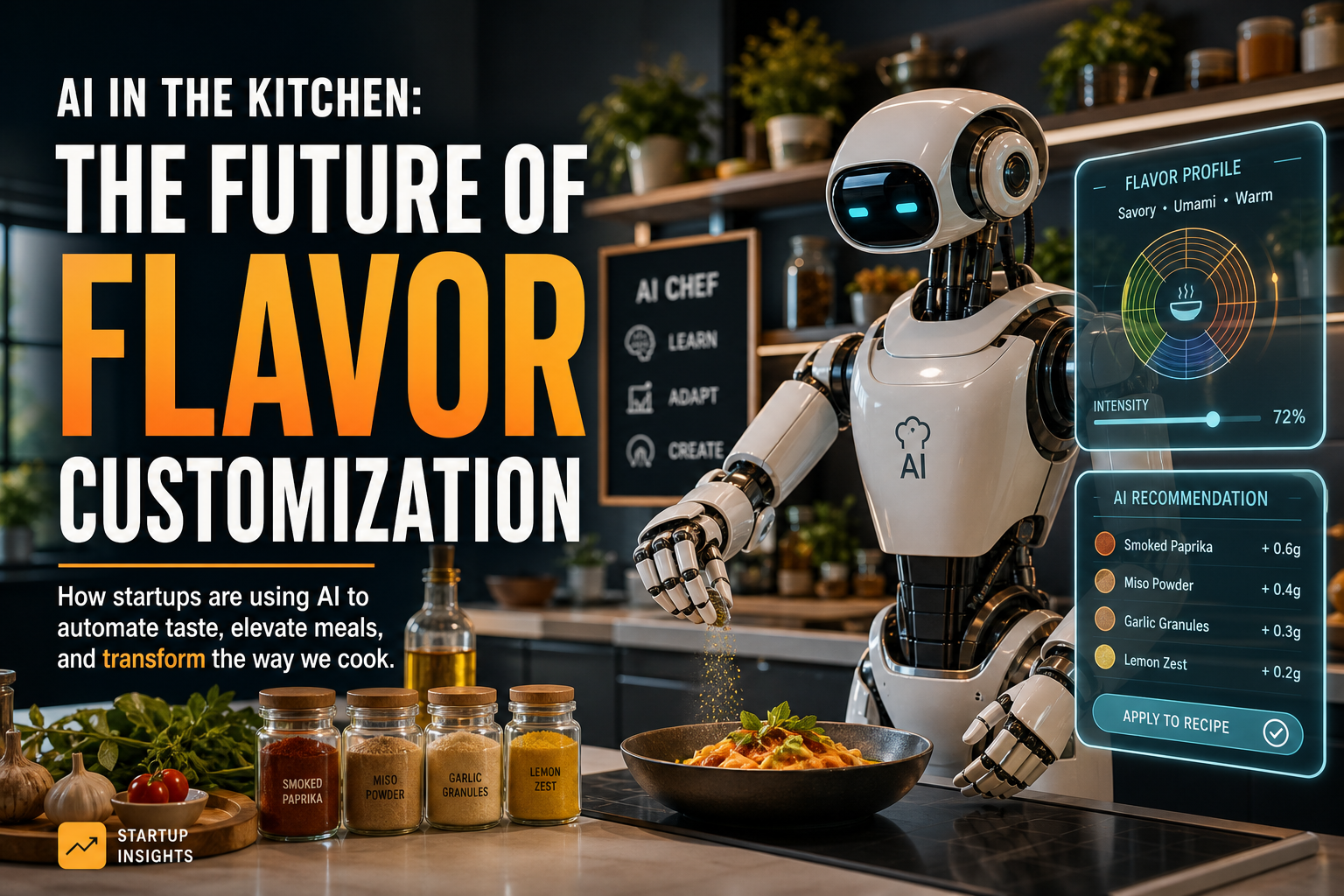
In recent years, the food technology sector has witnessed a surge of innovation, with startups exploring novel ways to enhance culinary experiences through scientific advancements. One of the most intriguing developments is the use of DNA data storage to capture and preserve flavors, a concept that combines the art of gastronomy with cutting-edge technology. This analysis delves into the implications of this trend, examining market dynamics, business model viability, and potential risks for investors and entrepreneurs alike.
Market Context: The Growth of Food Technology
The global food technology market is projected to reach $250 billion by 2027, driven by a growing consumer demand for innovative food solutions that prioritize sustainability, health, and unique experiences. As consumers increasingly seek out personalized and nostalgic culinary experiences, the intersection of food and technology presents a fertile ground for startups. The advent of DNA data storage, typically associated with genetic information, is emerging as a novel approach to preserving and recreating flavors, thus attracting attention from both consumers and investors.
Understanding DNA Data Storage in Culinary Applications
DNA data storage offers a high-density and durable method for encoding information, which has led to its exploration in various fields, including food technology. By encoding flavor profiles into DNA sequences, companies can theoretically create a library of tastes that can be accessed and recreated by chefs and food enthusiasts. This innovative approach not only promises to preserve flavors that may have been lost over time but also opens the door to new culinary possibilities.
Investment Landscape: Opportunities and Challenges
As the food tech sector continues to evolve, investors are increasingly interested in startups that leverage technology to enhance culinary experiences. However, the concept of using DNA for flavor storage has raised questions regarding feasibility and market acceptance. While some investors express enthusiasm about the potential to unlock unique gastronomic experiences, others remain cautious, emphasizing the need for rigorous validation of the technology and its applications.
- Market Potential: The DNA data storage market is projected to grow at a compound annual growth rate (CAGR) of 35% over the next five years, indicating strong investor interest and potential for innovation.
- Consumer Acceptance: The success of culinary applications of DNA storage will depend on consumer willingness to embrace this technology. Education and marketing strategies will be crucial in addressing potential skepticism.
- Regulatory Considerations: As with any technology involving biological materials, regulatory hurdles may arise, necessitating compliance with food safety standards and ethical considerations.
Business Model Viability
Startups exploring DNA data storage for culinary applications must develop robust business models that address both the technical and market challenges. Key considerations include:
- Value Proposition: Clearly articulating the benefits of using DNA storage for flavors, such as enhanced preservation and the ability to recreate lost tastes, will be essential in attracting consumers and chefs.
- Partnerships: Collaborations with culinary experts, food producers, and technology firms can enhance credibility and facilitate the development of practical applications.
- Scalability: Ensuring that the technology can be scaled effectively to meet market demand while maintaining quality and consistency will be critical for long-term success.
Founder Strategy: Navigating the Landscape
For founders in this space, a strategic approach is necessary to navigate the complexities of the food tech ecosystem. Key strategies include:
- Research and Development: Investing in R&D to refine the technology and explore diverse culinary applications will be vital for maintaining a competitive edge.
- Consumer Engagement: Building a community around the brand through educational initiatives and interactive experiences can foster consumer loyalty and drive adoption.
- Adaptability: Remaining agile and responsive to market feedback will enable startups to pivot their offerings based on consumer preferences and emerging trends.
Conclusion
The integration of DNA data storage into the culinary landscape represents a fascinating convergence of technology and gastronomy. As the food tech sector continues to expand, startups that successfully navigate the challenges and opportunities presented by this innovation may find themselves at the forefront of a transformative movement. Investors and entrepreneurs alike must remain diligent in their assessments, ensuring that they are well-informed about the potential risks and rewards associated with this emerging trend.
Editor's note: This analysis is original market research and does not constitute investment advice.
What's Your Reaction?
 Like
0
Like
0
 Dislike
0
Dislike
0
 Love
0
Love
0
 Funny
0
Funny
0
 Angry
0
Angry
0
 Sad
0
Sad
0
 Wow
0
Wow
0