




The Intersection of Climate Displacement and Wearable Technology: An Emerging Market Opportunity
The Intersection of Climate Displacement and Wearable Technology: An Emerging Market Opportunity By Startup Korea Research Desk | Apr 18, 2026 The increasing impact of climate change is reshaping global demographics, leading to a significant ris...

The Intersection of Climate Displacement and Wearable Technology: An Emerging Market Opportunity
By Startup Korea Research Desk | Apr 18, 2026
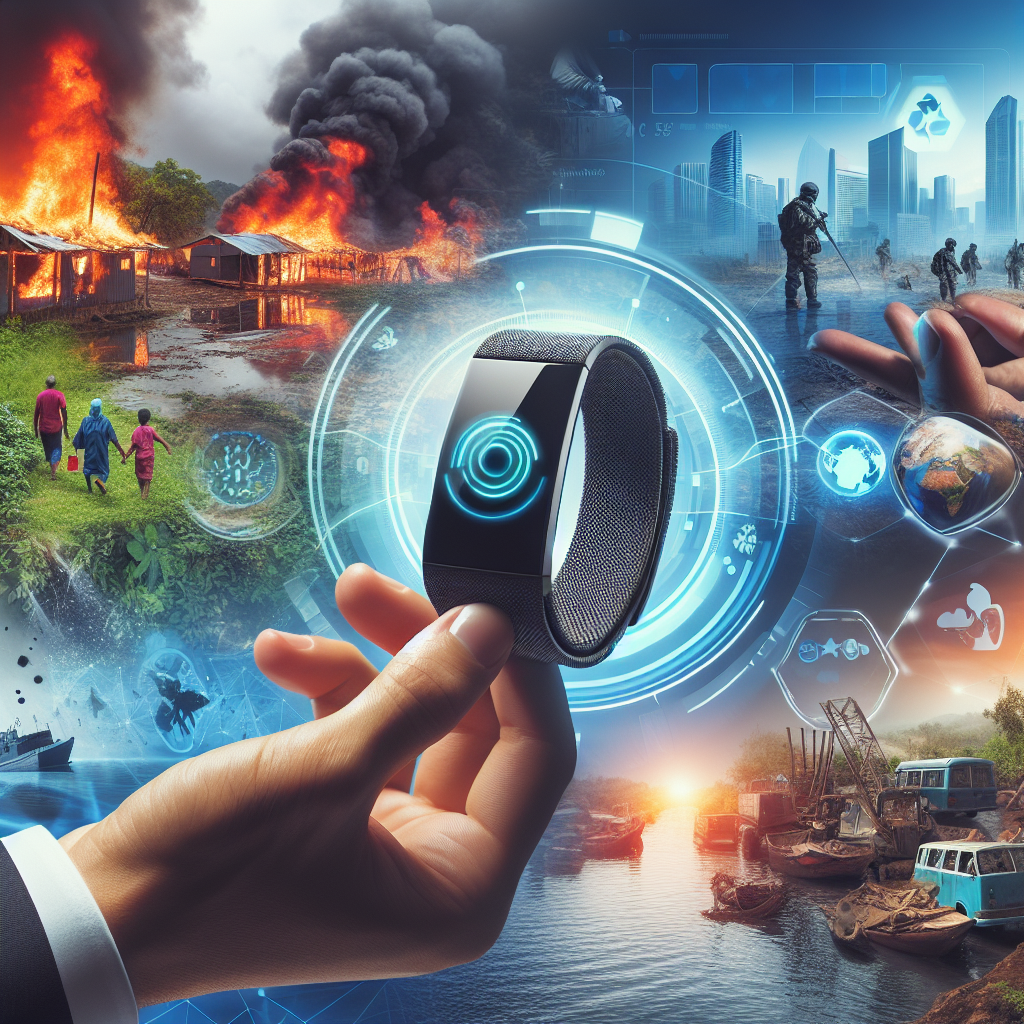
The increasing impact of climate change is reshaping global demographics, leading to a significant rise in climate refugees. As this trend continues, innovative solutions are emerging to address the needs of displaced populations. One such initiative is the development of wearable technology designed specifically for climate refugees. This analysis explores the market potential, business models, and associated risks of this burgeoning sector.
Market Context: The Growing Need for Solutions
According to projections from the Global Displacement Forum, climate change could displace over 200 million people by 2050. This alarming forecast highlights the urgent need for effective solutions to support those affected. The intersection of humanitarian aid and technology presents a unique opportunity for startups to create products that not only address immediate needs but also integrate into the broader consumer technology landscape.
Emerging Business Models
Startups in this space are exploring various business models, with a focus on wearable technology that can serve multiple purposes. For instance, devices that track location, monitor health metrics, and facilitate communication can be invaluable for individuals navigating displacement. Additionally, the concept of 'memory wearables'—devices that allow users to document and share their experiences—could appeal to both refugees and socially conscious consumers.
- Humanitarian Aid Integration: Wearable technology can enhance the delivery of aid by providing real-time data on the needs of displaced populations.
- Consumer Engagement: By marketing these devices to affluent consumers, startups can create a dual revenue stream that supports both the business and the humanitarian mission.
- Partnership Opportunities: Collaborations with NGOs and government agencies can enhance credibility and expand market reach.
Investor Interest and Market Viability
The recent influx of investment in this sector underscores the growing interest from venture capitalists and impact investors. The wearable technology market is projected to reach $62 billion by 2025, driven by advancements in technology and increasing consumer demand. Investors are particularly drawn to startups that can demonstrate a clear social impact alongside a viable business model.
However, potential investors should conduct thorough due diligence. The success of these ventures hinges on several factors:
- Market Adoption: The willingness of climate refugees to adopt wearable technology will be crucial. Understanding the unique challenges faced by this demographic is essential for product design and marketing strategies.
- Technological Reliability: The effectiveness of wearables in real-world scenarios must be validated. Startups need to ensure that their products are durable, user-friendly, and capable of functioning in diverse environments.
- Regulatory Considerations: Navigating the regulatory landscape surrounding data privacy and humanitarian aid will be critical for compliance and operational success.
Founder Strategy: Navigating Challenges
Founders in this space must adopt a strategic approach to navigate the complexities of both the technology and humanitarian sectors. Key considerations include:
- Understanding User Needs: Engaging with potential users to gather insights and feedback will be vital for developing relevant products.
- Building Partnerships: Establishing relationships with NGOs, government agencies, and technology providers can enhance credibility and facilitate resource sharing.
- Communicating Value: Effectively conveying the dual purpose of the technology—supporting displaced individuals while appealing to socially conscious consumers—will be essential for market penetration.
Conclusion
The convergence of climate displacement and wearable technology presents a promising market opportunity. As the number of climate refugees continues to rise, innovative solutions that address their needs while leveraging consumer technology will be increasingly relevant. Startups that can navigate the challenges of this sector and develop effective, user-centered products are well-positioned to make a significant impact.
Editor's note: This is original market analysis and not investment advice.
What's Your Reaction?
 Like
0
Like
0
 Dislike
0
Dislike
0
 Love
0
Love
0
 Funny
0
Funny
0
 Angry
0
Angry
0
 Sad
0
Sad
0
 Wow
0
Wow
0