

The Intersection of AI and Culinary Tradition: Analyzing the Market Potential of AI-Driven Food Tech
The Intersection of AI and Culinary Tradition: Analyzing the Market Potential of AI-Driven Food Tech By Startup Korea Research Desk | May 19, 2026 The food technology sector is experiencing a transformative phase, driven by advancements in artif...

The Intersection of AI and Culinary Tradition: Analyzing the Market Potential of AI-Driven Food Tech
By Startup Korea Research Desk | May 19, 2026
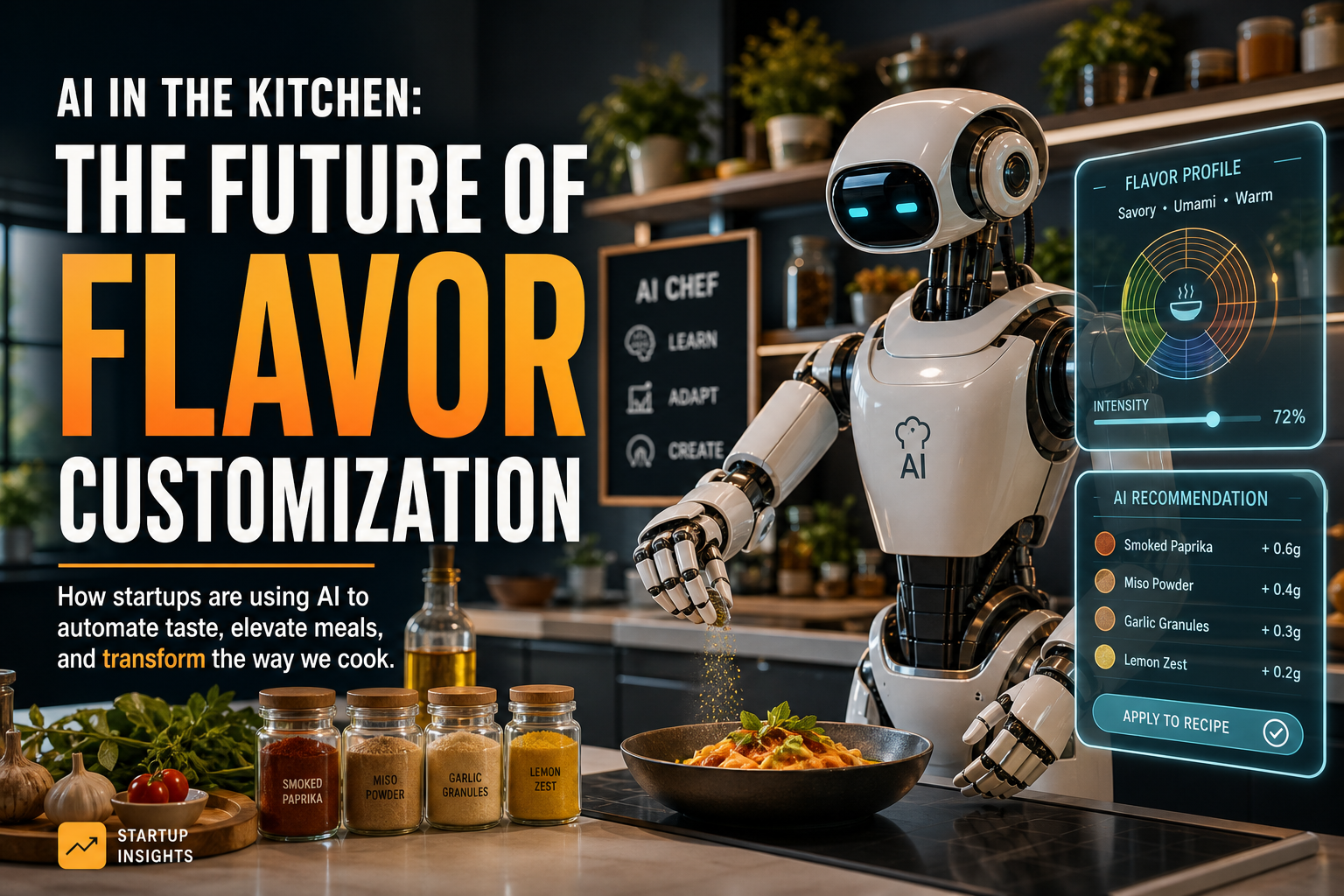
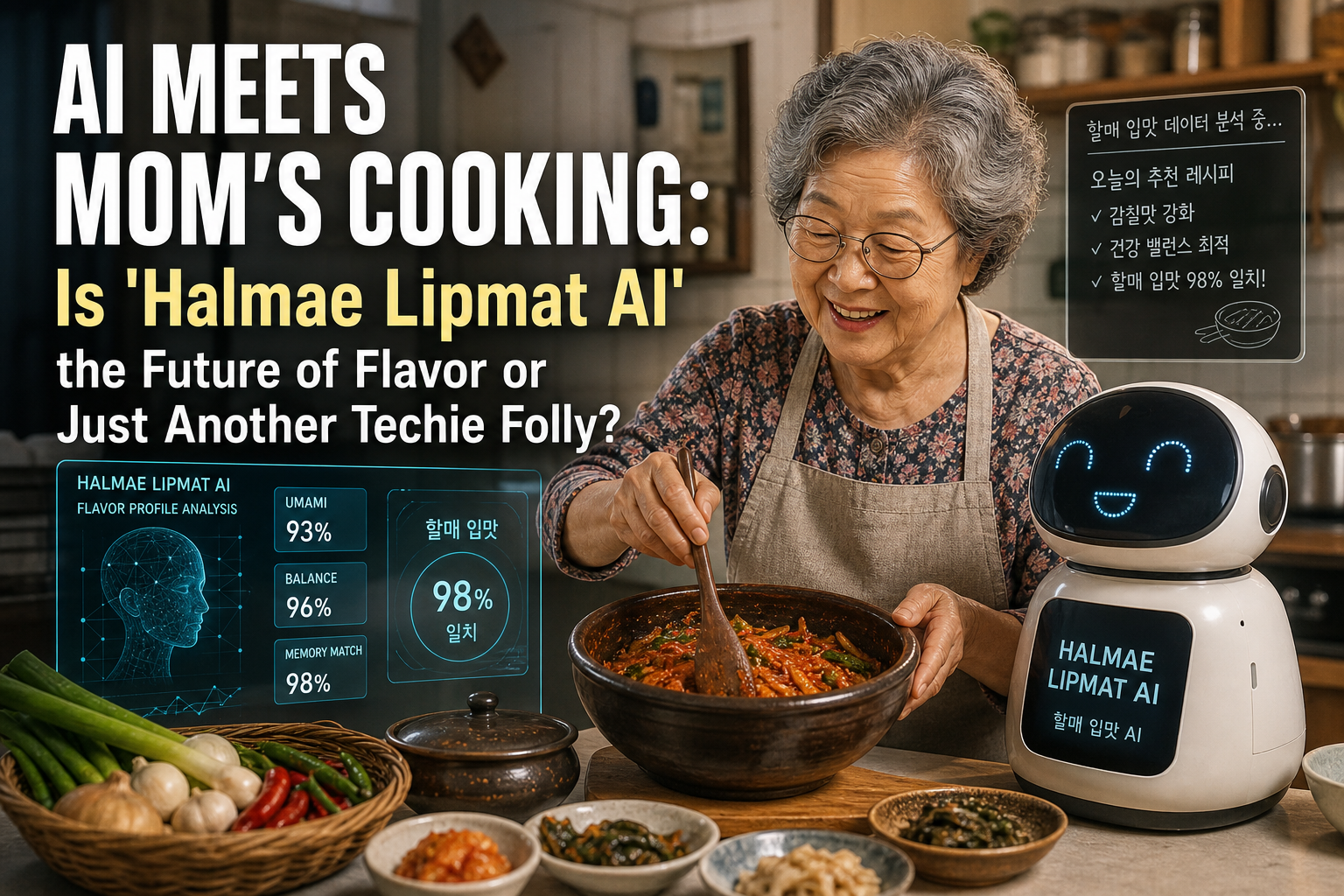
The food technology sector is experiencing a transformative phase, driven by advancements in artificial intelligence (AI) and changing consumer preferences. One of the latest entrants in this space is a South Korean startup that aims to leverage AI to replicate the flavors of traditional home-cooked meals. This analysis explores the market dynamics, potential business models, and the risks associated with the adoption of AI in the culinary world.
Market Dynamics and Growth Potential
The global food tech market is projected to reach $250 billion by 2027, fueled by the increasing demand for convenience and the rise of food delivery services. The COVID-19 pandemic has significantly altered consumer dining habits, with many individuals seeking comfort in home-cooked meals. This shift presents a unique opportunity for startups that can blend technology with traditional culinary practices.
AI-driven solutions, such as those aiming to mimic the flavors of beloved family recipes, are positioned to tap into this growing market. As consumers become more reliant on technology for their dining experiences, the potential for AI to enhance food preparation and delivery is substantial.
Business Model Viability
The business model for AI-driven food tech startups can take various forms, including subscription services, meal kits, and partnerships with existing food delivery platforms. By offering personalized meal experiences that cater to individual tastes and preferences, these startups can create a loyal customer base.
- Subscription Services: Providing a regular supply of AI-curated meal plans can attract consumers looking for convenience without sacrificing flavor.
- Meal Kits: Combining AI-generated recipes with pre-portioned ingredients allows consumers to recreate traditional dishes at home, enhancing the cooking experience.
- Partnerships: Collaborating with established food delivery services can help startups reach a wider audience and streamline distribution.
Investor Interest and Market Sentiment
The convergence of technology and culinary tradition has garnered significant interest from investors. Venture capitalists are increasingly recognizing the emotional connection consumers have with food, which can be a powerful driver of market success. Startups that can effectively harness this sentiment while providing innovative solutions are likely to attract funding.
However, investor enthusiasm is tempered by concerns regarding the feasibility of replicating human culinary skills through AI. Critics argue that while technology can enhance food preparation, it may struggle to capture the emotional nuances associated with traditional cooking. This skepticism highlights the importance of thorough due diligence for investors considering backing AI-driven food tech ventures.
Adoption Risks and Challenges
While the potential for AI in the food tech sector is significant, several risks and challenges must be addressed for successful adoption:
- Consumer Acceptance: The willingness of consumers to embrace AI-generated meals over traditional cooking methods remains uncertain. Building trust in the technology will be crucial.
- Quality Control: Ensuring consistent quality and flavor in AI-generated recipes is essential for maintaining customer satisfaction.
- Regulatory Hurdles: Navigating food safety regulations and compliance can pose challenges for AI-driven food startups.
Strategic Considerations for Founders
For founders in the AI food tech space, developing a clear strategy that addresses both the opportunities and challenges is vital. Key considerations include:
- Market Research: Understanding consumer preferences and behaviors will inform product development and marketing strategies.
- Technology Development: Investing in robust AI algorithms that can accurately replicate flavors and adapt to consumer feedback is essential for success.
- Partnerships: Collaborating with culinary experts and established food brands can enhance credibility and facilitate market entry.
Conclusion
The intersection of AI and culinary tradition presents a promising frontier for innovation in the food tech sector. As consumer preferences continue to evolve, startups that can effectively leverage technology to enhance the dining experience may find significant market opportunities. However, navigating the complexities of consumer acceptance, quality control, and regulatory compliance will be critical to long-term success.
Editor's note: This analysis is an original market analysis and not investment advice.
What's Your Reaction?
 Like
0
Like
0
 Dislike
0
Dislike
0
 Love
0
Love
0
 Funny
0
Funny
0
 Angry
0
Angry
0
 Sad
0
Sad
0
 Wow
0
Wow
0