



The Intersection of Agriculture and Language Preservation: An Emerging Market Trend
The Intersection of Agriculture and Language Preservation: An Emerging Market Trend By Startup Korea Research Desk | May 14, 2026 The agricultural sector is undergoing a significant transformation, driven by technological advancements and a grow...

The Intersection of Agriculture and Language Preservation: An Emerging Market Trend
By Startup Korea Research Desk | May 14, 2026
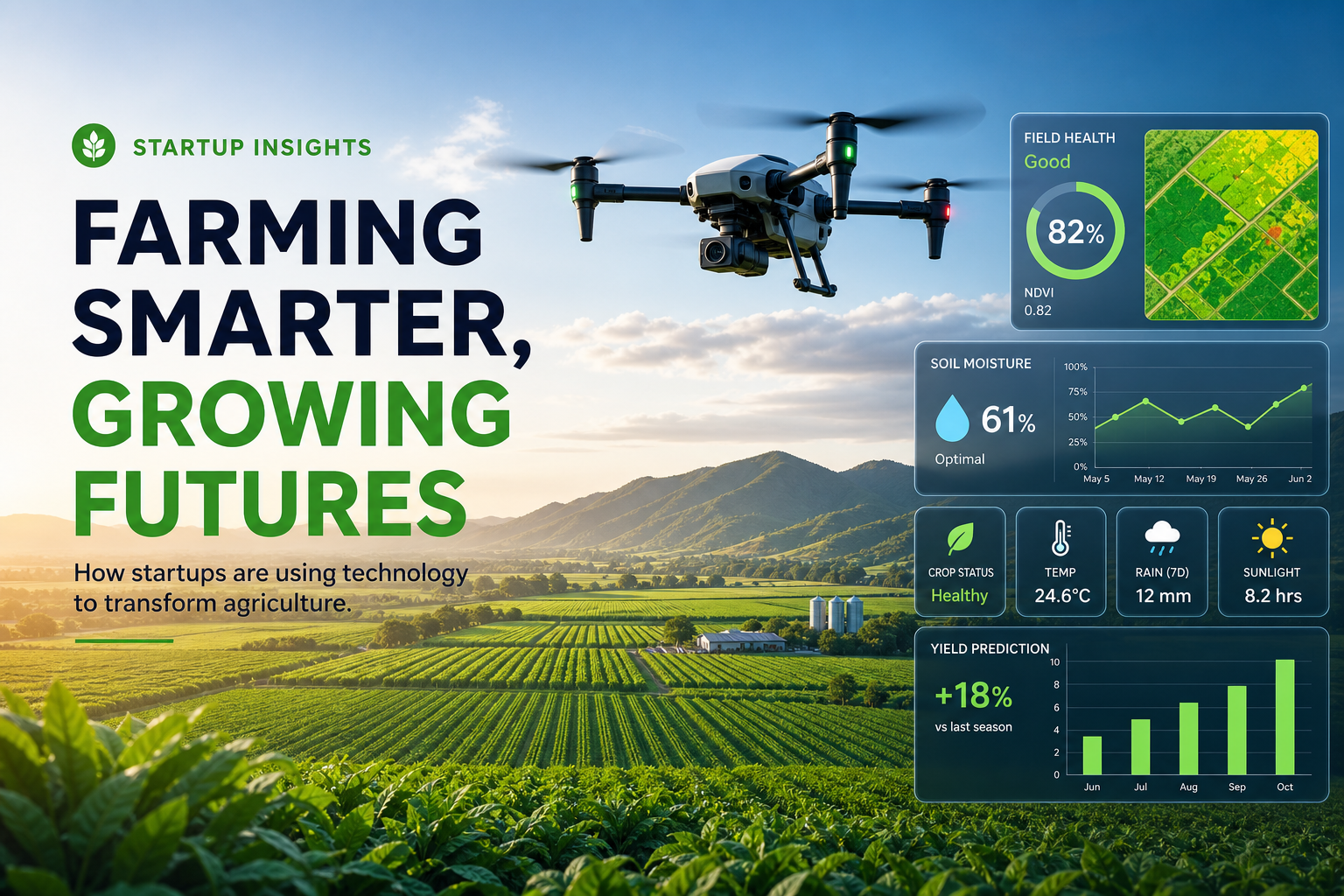
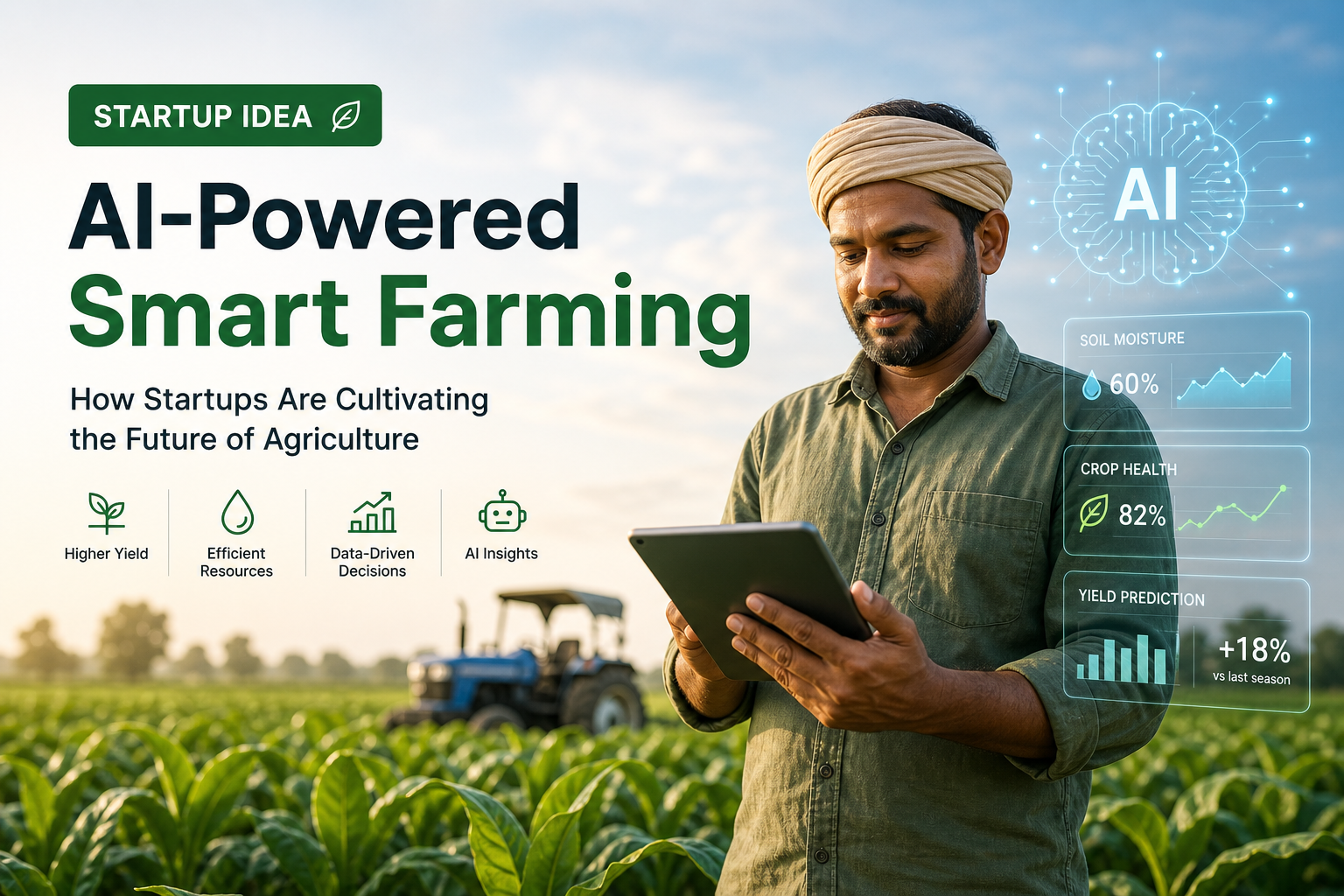
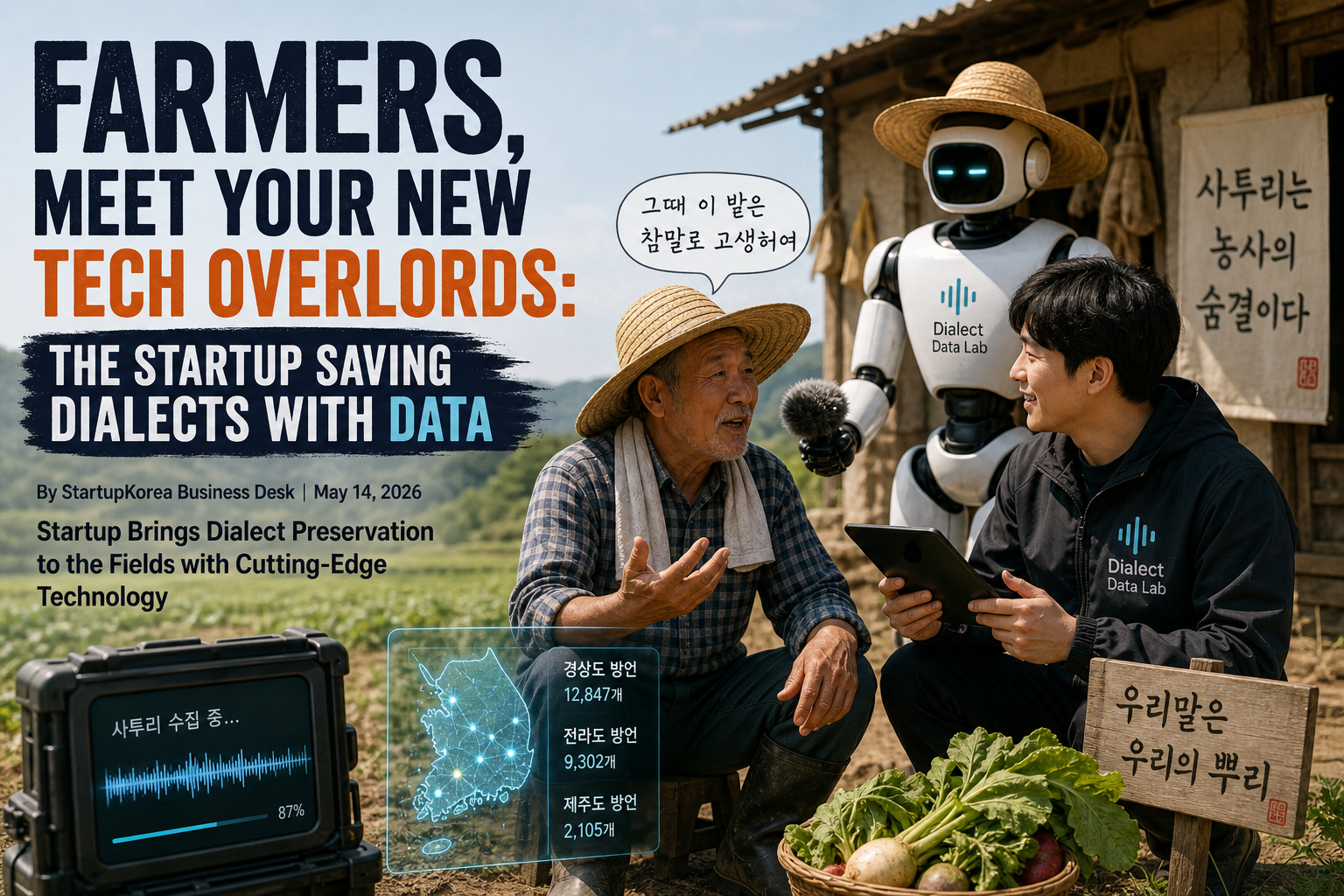
The agricultural sector is undergoing a significant transformation, driven by technological advancements and a growing awareness of cultural preservation. One of the latest trends in this space is the integration of smart farming techniques with dialect preservation initiatives. This analysis explores the implications of this convergence, the potential business models, and the associated risks and opportunities for investors.
Market Overview
The global smart agriculture market is projected to reach $20 billion by 2027, with a compound annual growth rate (CAGR) of approximately 12%. This growth is fueled by the increasing adoption of technology in farming practices, aimed at enhancing productivity and sustainability. As farmers face challenges such as climate change, resource scarcity, and market fluctuations, the demand for innovative solutions is at an all-time high.
Dialect Preservation: A Cultural Imperative
Simultaneously, the preservation of regional dialects and languages has gained attention as a critical cultural issue. Linguistic experts warn that approximately 90% of the world’s languages are at risk of extinction by the end of the century. This alarming trend highlights the need for initiatives that not only safeguard these languages but also integrate them into practical applications, such as agriculture.
Innovative Business Models
Startups that aim to combine smart farming with dialect preservation are exploring unique business models that leverage technology to address both agricultural efficiency and cultural sustainability. For instance, companies may develop platforms that utilize data analytics to optimize crop yields while simultaneously cataloging and promoting local dialects.
- Data-Driven Solutions: By employing machine learning algorithms, these startups can predict crop performance based on local dialects and agricultural practices, creating a feedback loop that benefits both farmers and linguists.
- Community Engagement: Engaging local communities in the preservation of their dialects can foster a sense of ownership and pride, potentially leading to increased adoption of smart farming technologies.
- Partnerships with Educational Institutions: Collaborating with universities and linguistic organizations can enhance credibility and provide access to valuable resources for research and development.
Adoption Risks and Challenges
While the integration of technology and cultural preservation presents exciting opportunities, several risks and challenges must be addressed:
- Market Acceptance: Farmers may be hesitant to adopt new technologies, especially if they perceive them as complex or unnecessary. Education and demonstration of tangible benefits will be crucial.
- Funding and Investment: Securing investment for dual-focused initiatives can be challenging, as investors may prefer more straightforward agricultural tech solutions. Clear value propositions will be essential.
- Technological Barriers: The implementation of advanced technologies requires infrastructure and training, which may not be readily available in all regions.
Investor Diligence
For investors considering opportunities in this emerging market, due diligence is critical. Evaluating the robustness of the business model, understanding the target market, and assessing the scalability of the technology are vital steps. Additionally, investors should consider the social impact of their investments, as initiatives that promote cultural preservation may resonate positively with consumers and stakeholders.
Strategic Considerations for Founders
Founders looking to enter this niche market should focus on the following strategic considerations:
- Building a Diverse Team: A multidisciplinary team that includes experts in agriculture, linguistics, and technology can provide a well-rounded perspective and enhance innovation.
- Creating Partnerships: Collaborating with local communities, agricultural organizations, and linguistic experts can facilitate broader acceptance and support for initiatives.
- Emphasizing Sustainability: Highlighting the sustainability aspect of both agricultural practices and cultural preservation can attract environmentally conscious consumers and investors.
Conclusion
The convergence of smart farming and dialect preservation represents a unique opportunity within the agricultural technology sector. As the market continues to evolve, startups that successfully navigate the complexities of this intersection may not only drive innovation but also contribute to the preservation of cultural heritage. Investors and founders alike should remain vigilant in assessing risks and opportunities as they explore this promising landscape.
Editor's note: This analysis is original market research and should not be construed as investment advice.
What's Your Reaction?
 Like
0
Like
0
 Dislike
0
Dislike
0
 Love
0
Love
0
 Funny
0
Funny
0
 Angry
0
Angry
0
 Sad
0
Sad
0
 Wow
0
Wow
0