

The Future of Reading: Analyzing the Impact of Robotics on Book Consumption
The Future of Reading: Analyzing the Impact of Robotics on Book Consumption By Startup Korea Research Desk | Apr 29, 2026 The intersection of technology and literature has long been a topic of interest, and recent developments in the startup eco...

The Future of Reading: Analyzing the Impact of Robotics on Book Consumption
By Startup Korea Research Desk | Apr 29, 2026
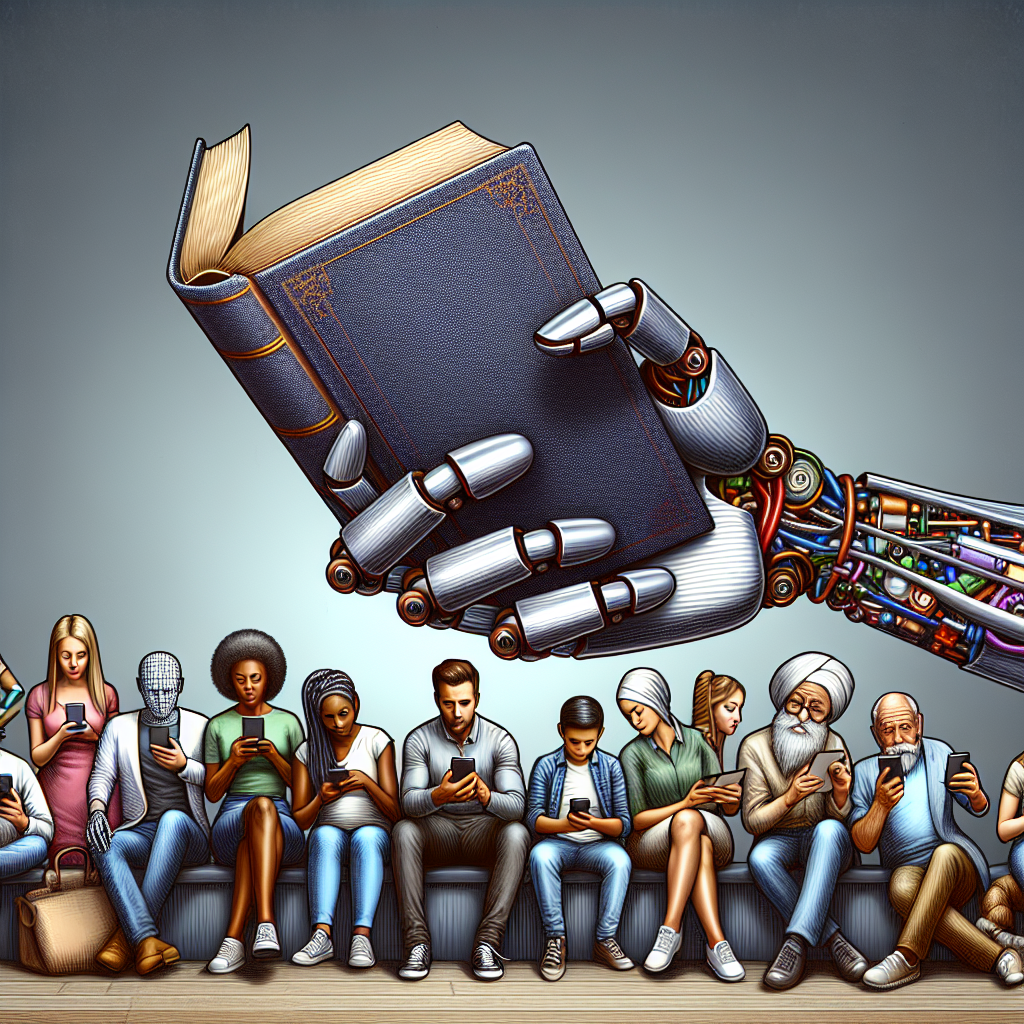
The intersection of technology and literature has long been a topic of interest, and recent developments in the startup ecosystem suggest a significant shift in how consumers engage with books. A notable example is the emergence of a startup focused on leveraging robotics to enhance the reading experience. This analysis explores the implications of such innovations on market trends, business models, and the potential risks associated with their adoption.
Market Trends: The Evolving Landscape of Reading
In recent years, the book industry has faced a paradox. While overall book sales in the U.S. experienced a modest growth rate of 1.8% in 2025, the number of adults engaging in traditional reading has declined. Reports indicate that only 27% of adults read a book in the past year, highlighting a disconnect between book purchases and actual reading habits. This trend raises questions about consumer engagement and the sustainability of traditional reading practices.
Amidst this backdrop, the introduction of robotic technology aimed at simulating the reading experience presents an intriguing opportunity. By catering to a demographic that purchases books but often does not read them, such innovations could potentially revitalize interest in literature. The market for educational and self-help books, in particular, may benefit from these advancements, with projections suggesting a possible market share of 5% for robotic reading technologies within two years.
Business Model Quality: Innovation Meets Consumer Demand
The business model behind robotic reading technology hinges on addressing the needs of a modern consumer base that values convenience and multitasking. The concept of allowing users to experience the sensation of reading without engaging with the text directly taps into a growing trend of passive consumption. This model could appeal to individuals who seek to maintain an image of intellectual engagement while prioritizing their time for other activities.
However, the viability of this business model will depend on several factors, including user experience, pricing strategy, and market penetration. For the technology to gain traction, it must not only deliver on its promise of enhancing the reading experience but also resonate with consumers on a deeper level. Understanding the motivations behind book purchases and the barriers to reading will be crucial for the success of such innovations.
Investor Diligence: Evaluating the Risks
As with any emerging technology, investor interest in robotic reading solutions will require a careful assessment of associated risks. While the initial excitement surrounding such innovations can drive funding, it is essential for investors to consider the long-term implications of technology on cognitive engagement and comprehension.
Critics of robotic reading technology argue that it may further diminish the cognitive benefits traditionally associated with reading. The act of reading is not merely about consuming information; it fosters critical thinking, comprehension, and emotional connection. If robotic solutions lead to a decline in these cognitive skills, the long-term viability of the market could be jeopardized.
Investors must weigh the potential for high returns against the ethical considerations of promoting a technology that may inadvertently contribute to a decline in reading proficiency. Diligence in understanding consumer behavior, educational outcomes, and the broader societal impact of such innovations will be paramount.
Founder Strategy: Navigating Consumer Sentiment
For founders of startups in this space, developing a robust strategy that aligns with consumer sentiment will be critical. Engaging with potential users to understand their needs and preferences can inform product development and marketing strategies. Additionally, transparent communication about the benefits and limitations of robotic reading technology will be essential in building trust with consumers.
Furthermore, positioning the technology as a complement to traditional reading rather than a replacement may help mitigate concerns about cognitive decline. By emphasizing the potential for enhanced engagement and accessibility, founders can create a narrative that resonates with both consumers and investors.
Conclusion: A Cautious Outlook
The emergence of robotics in the reading space presents both opportunities and challenges. While the potential for revitalizing interest in books exists, the risks associated with cognitive engagement and comprehension cannot be overlooked. As the market evolves, stakeholders must navigate these complexities with diligence and foresight.
Ultimately, the success of robotic reading technology will depend on its ability to enhance the reading experience without compromising the fundamental benefits that traditional reading offers. As the industry continues to develop, ongoing analysis will be essential to understand the long-term implications of these innovations on consumer behavior and the broader literary landscape.
Editor's note: This is original market analysis and not investment advice.
What's Your Reaction?
 Like
0
Like
0
 Dislike
0
Dislike
0
 Love
0
Love
0
 Funny
0
Funny
0
 Angry
0
Angry
0
 Sad
0
Sad
0
 Wow
0
Wow
0