




The Future of Productivity Apps and Urban Air Mobility: Trends and Insights
By Startup Korea Research Desk | May 16, 2026 The Intersection of Productivity and Urban Air Mobility In today’s fast-paced environment, the demand for productivity-enhancing solutions is at an all-time high. Startups are increasingly focusing o...

By Startup Korea Research Desk | May 16, 2026
The Intersection of Productivity and Urban Air Mobility
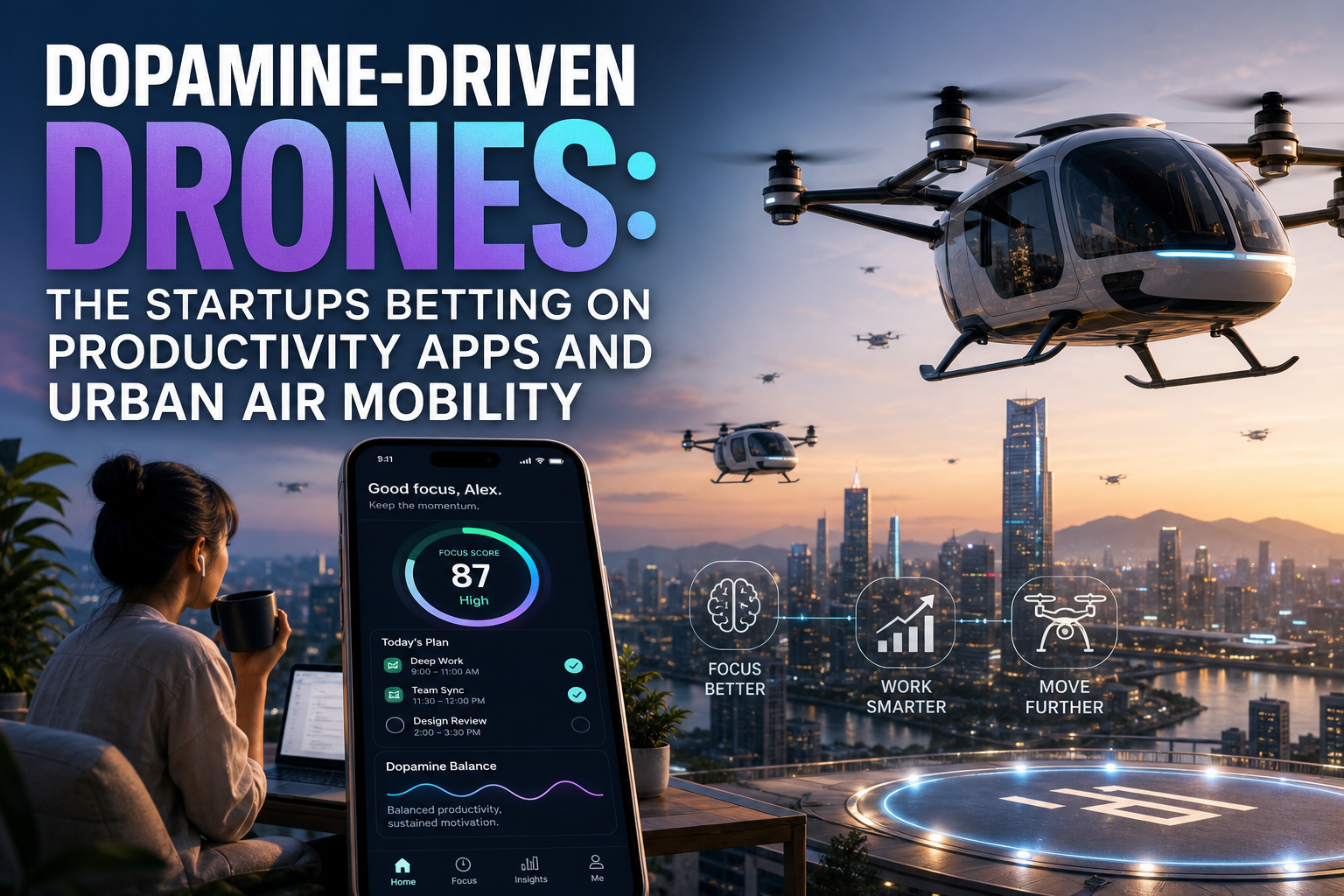
In today’s fast-paced environment, the demand for productivity-enhancing solutions is at an all-time high. Startups are increasingly focusing on developing applications that not only promise to improve efficiency but also address the distractions that come with modern life. A notable trend emerging from this landscape is the integration of urban air mobility into productivity solutions, which presents both opportunities and challenges for entrepreneurs and investors alike.
Market Dynamics and Growth Potential
The urban air mobility (UAM) sector is poised for significant growth, with projections estimating a compound annual growth rate (CAGR) of 25% over the next several years. The market is expected to reach approximately $2.5 billion by 2030, driven by advancements in technology and increasing consumer interest in innovative transportation solutions. This growth is indicative of a broader trend where traditional industries are being disrupted by technology-driven startups.
Business Model Innovations
Startups are exploring various business models to capitalize on the convergence of productivity applications and urban air mobility. For instance, some companies are developing applications that allow users to manage tasks while in transit, potentially transforming how meetings and collaborations are conducted. This approach not only aims to maximize time efficiency but also seeks to create a unique user experience that differentiates these startups from traditional productivity tools.
- Integration of Technologies: By leveraging aerial transportation, these startups aim to provide a seamless experience that combines travel and productivity.
- User-Centric Design: Focusing on user experience is crucial, as applications must be intuitive and cater to the needs of busy professionals.
- Subscription Models: Many startups are adopting subscription-based pricing to ensure a steady revenue stream while providing ongoing updates and features.
Adoption Risks and Challenges
While the potential for growth in this sector is substantial, several risks could hinder widespread adoption. One primary concern is the practicality of using productivity apps in conjunction with urban air mobility. Critics question whether users will find value in scheduling meetings mid-flight or if the logistics of such arrangements will prove too cumbersome.
Moreover, the regulatory landscape surrounding urban air mobility remains complex. Startups must navigate various regulations and safety standards, which can impact their operational capabilities and scalability. Investors should conduct thorough due diligence to assess these risks before committing capital.
Investor Diligence and Market Viability
As the market for productivity apps and urban air mobility expands, investors are increasingly drawn to startups that promise innovative solutions. However, it is essential for investors to evaluate the viability of these business models critically. Key factors to consider include:
- Market Demand: Is there a genuine need for the proposed solutions, or are they merely a response to current trends?
- Scalability: Can the startup effectively scale its operations to meet growing demand without compromising quality?
- Competitive Landscape: How does the startup differentiate itself from existing players in the productivity and mobility sectors?
Strategic Considerations for Founders
For founders navigating this emerging landscape, strategic planning is crucial. They must focus on building a robust value proposition that resonates with potential users. Additionally, fostering partnerships with established players in the transportation and technology sectors can enhance credibility and facilitate market entry.
Moreover, founders should prioritize user feedback during the development phase to ensure that their applications meet the practical needs of their target audience. By aligning product features with user expectations, startups can increase the likelihood of adoption and long-term success.
Conclusion
The intersection of productivity apps and urban air mobility presents a unique opportunity for startups to innovate and capture market share. However, the path to success is fraught with challenges that require careful navigation. Investors and founders alike must remain vigilant in assessing market trends, user needs, and operational risks to ensure sustainable growth in this dynamic sector.
Editor's note: This article is original market analysis and not investment advice.
What's Your Reaction?
 Like
0
Like
0
 Dislike
0
Dislike
0
 Love
0
Love
0
 Funny
0
Funny
0
 Angry
0
Angry
0
 Sad
0
Sad
0
 Wow
0
Wow
0