


The Future of Laundry: Analyzing the Market Potential of AI-Driven Fabric Sorting Solutions
The Future of Laundry: Analyzing the Market Potential of AI-Driven Fabric Sorting Solutions By Startup Korea Research Desk | May 13, 2026 The intersection of artificial intelligence (AI) and everyday household tasks is becoming increasingly sign...

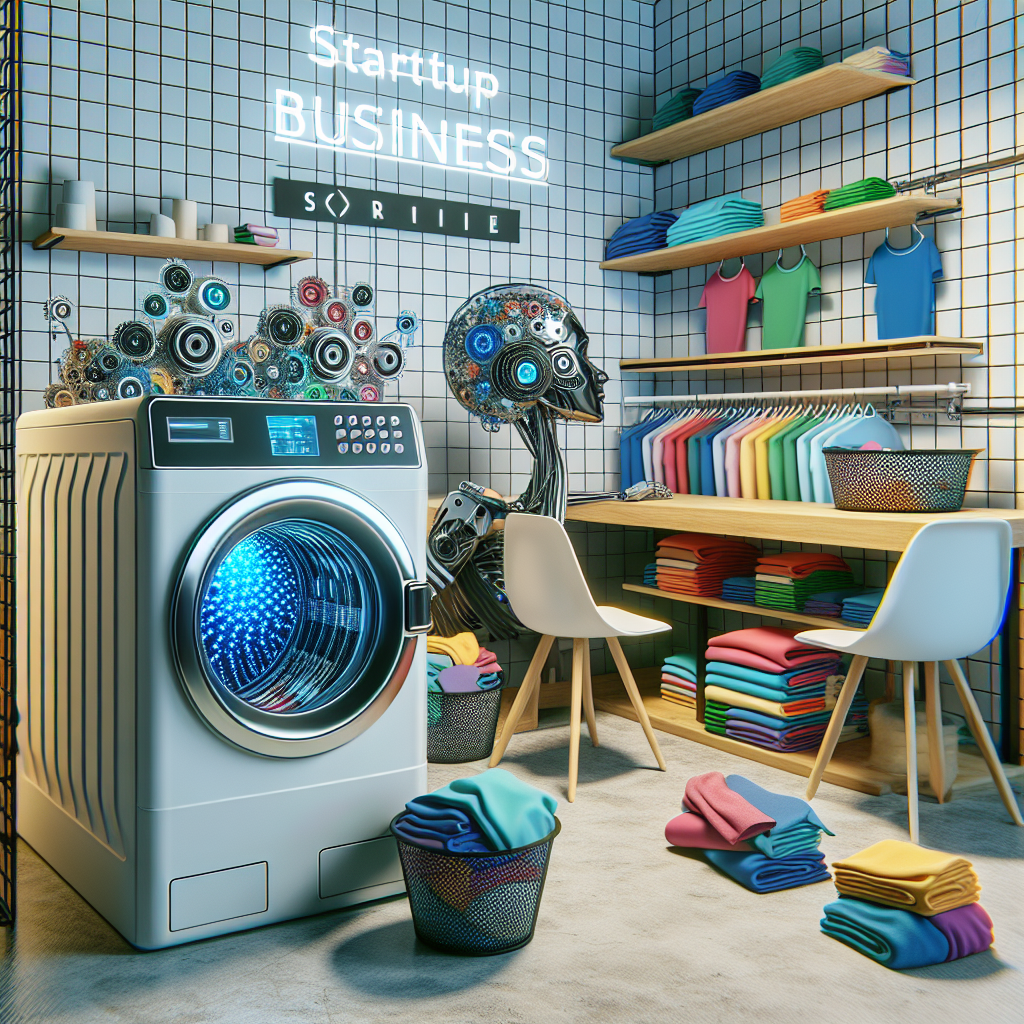
The Future of Laundry: Analyzing the Market Potential of AI-Driven Fabric Sorting Solutions
By Startup Korea Research Desk | May 13, 2026
The intersection of artificial intelligence (AI) and everyday household tasks is becoming increasingly significant, with startups exploring innovative solutions to enhance efficiency and convenience. One such area of focus is the laundry industry, where AI-driven fabric sorting technologies are emerging as potential game-changers. This analysis delves into the market trends, business models, adoption risks, and investor strategies surrounding this nascent sector.
Market Trends in the Laundry Industry
The global laundry market is currently valued at approximately $80 billion, with projections indicating a compound annual growth rate (CAGR) of around 15% over the next five years. As consumers become more environmentally conscious and seek to optimize their household chores, the demand for innovative solutions is expected to rise. AI-driven fabric sorting technologies, which promise to classify laundry with precision, are positioned to capitalize on this trend.
Business Model Quality
Startups in this space are developing AI platforms that utilize advanced algorithms to analyze fabric properties at a molecular level. This capability allows for the differentiation of various materials, ensuring that delicate fabrics are treated appropriately during the washing process. Such technology not only enhances the user experience but also addresses common laundry-related concerns, such as fabric damage and color bleeding.
By providing a data-driven approach to laundry classification, these startups can potentially create subscription-based models or one-time purchase options for consumers. This flexibility in business models can cater to a wide range of customer preferences, from tech-savvy individuals to families looking for practical solutions.
Adoption Risks and Consumer Behavior
Despite the promising potential of AI-driven fabric sorting solutions, several adoption risks must be considered. Consumer acceptance of new technologies can be slow, particularly in traditional markets like laundry. Many households may be hesitant to invest in new appliances or technologies that they perceive as unnecessary or overly complex.
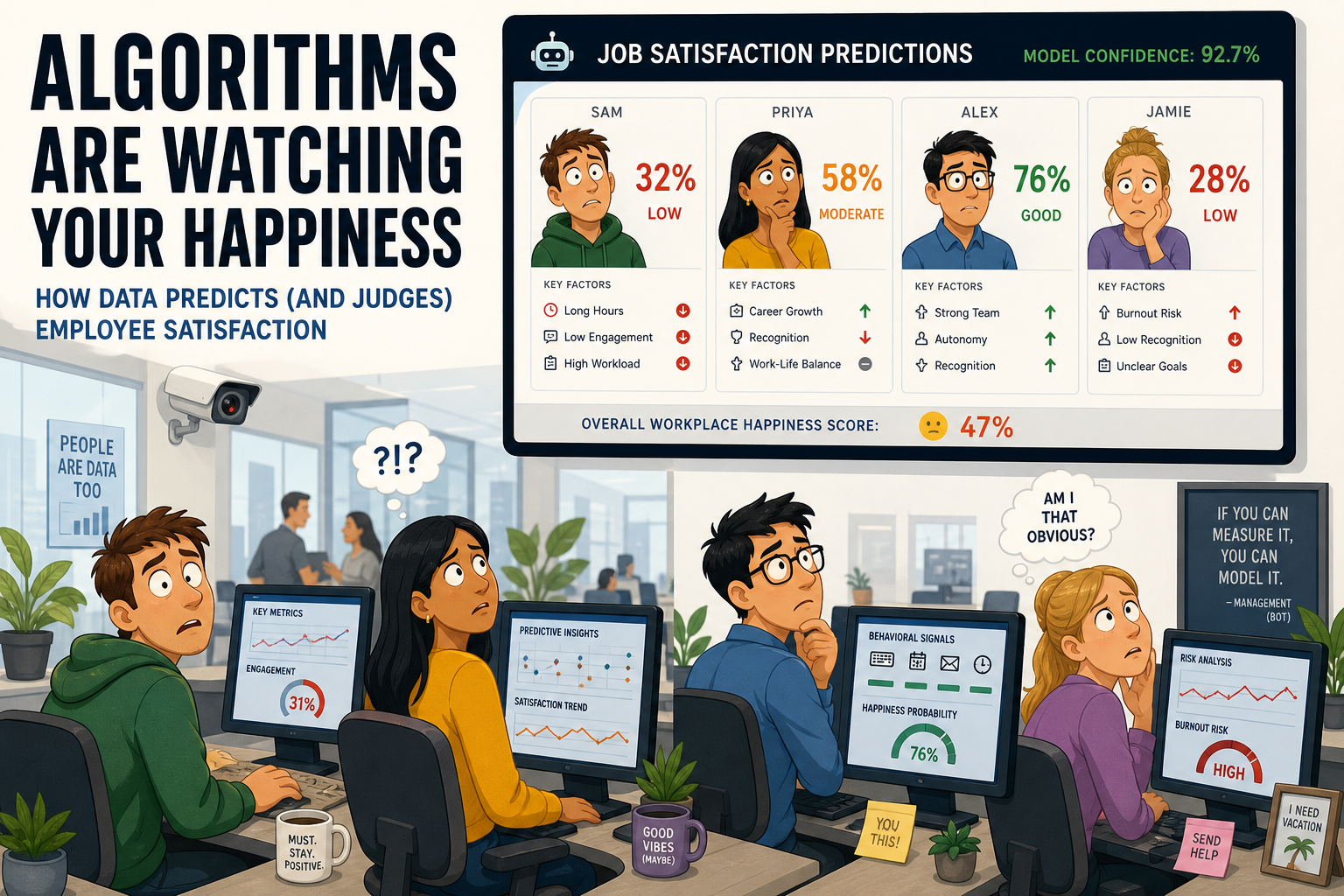
Moreover, the integration of AI into everyday tasks raises questions about data privacy and security. Consumers may be wary of devices that collect personal information or require internet connectivity. Startups must address these concerns transparently to build trust and encourage adoption.
Investor Diligence in the Startup Ecosystem
The investment landscape for AI-driven laundry solutions is becoming increasingly competitive, with venture capitalists and angel investors showing interest in this emerging sector. Investors are drawn to the potential for high returns in a market that remains largely unoptimized. However, due diligence is essential. Investors should assess the technological feasibility of the solutions, the scalability of the business models, and the overall market demand.
Additionally, understanding the competitive landscape is crucial. As more startups enter the fabric sorting space, differentiation will become key. Investors should look for companies that not only offer innovative technology but also have a clear strategy for market penetration and customer acquisition.
Founder Strategy and Market Positioning
For founders in this space, a well-defined strategy is vital for success. This includes identifying target demographics, understanding consumer pain points, and developing a clear value proposition. Founders should also consider partnerships with established brands in the laundry industry to leverage existing customer bases and enhance credibility.
Moreover, focusing on sustainability can be a significant differentiator. As consumers increasingly prioritize eco-friendly practices, startups that emphasize energy-efficient technologies and sustainable materials may find a competitive edge in the market.
Conclusion
The integration of AI into the laundry industry represents a promising frontier for innovation and investment. While the potential for growth is substantial, startups must navigate various challenges, including consumer adoption, data privacy concerns, and competitive pressures. By developing robust business models and addressing market needs, these companies can position themselves for success in a rapidly evolving landscape.
Editor's note: This analysis is original market research and does not constitute investment advice.
What's Your Reaction?
 Like
0
Like
0
 Dislike
0
Dislike
0
 Love
0
Love
0
 Funny
0
Funny
0
 Angry
0
Angry
0
 Sad
0
Sad
0
 Wow
0
Wow
0