
The Future of IoT Mesh Technology: Opportunities and Challenges in Digital Twin Applications
The Future of IoT Mesh Technology: Opportunities and Challenges in Digital Twin Applications By Startup Korea Research Desk | May 08, 2026 The integration of Internet of Things (IoT) technology with digital twin applications is emerging as a sig...


The Future of IoT Mesh Technology: Opportunities and Challenges in Digital Twin Applications
By Startup Korea Research Desk | May 08, 2026
The integration of Internet of Things (IoT) technology with digital twin applications is emerging as a significant trend in various industries, particularly in environmental monitoring and management. As companies explore innovative solutions to address pressing challenges such as climate change and resource management, the potential for IoT mesh networks to enhance operational efficiency and predictive capabilities is gaining traction.
Market Trends and Growth Potential
The global IoT market is projected to exceed $1 trillion by 2028, reflecting a robust compound annual growth rate (CAGR) of approximately 25%. Concurrently, the digital twin market is expected to reach $48 billion by 2027. This convergence of technologies presents a unique opportunity for startups and established companies alike to leverage IoT mesh networks in creating digital replicas of physical environments.
Digital twins, which are virtual models that accurately reflect physical objects or systems, enable real-time monitoring and simulation. When combined with IoT mesh technology, these models can facilitate advanced analytics and predictive maintenance, leading to improved decision-making and resource allocation.
Business Models and Value Proposition
Startups focusing on IoT mesh technology must develop clear business models that articulate their value proposition. For instance, companies can target sectors such as agriculture, manufacturing, and environmental conservation, where the ability to predict and respond to changes in real-time can lead to significant cost savings and efficiency gains.
- Environmental Monitoring: IoT mesh networks can provide critical data for early detection of natural disasters, such as wildfires, by monitoring environmental conditions and facilitating rapid response.
- Manufacturing Efficiency: Digital twins can optimize production processes by simulating different scenarios, allowing manufacturers to identify bottlenecks and improve workflow.
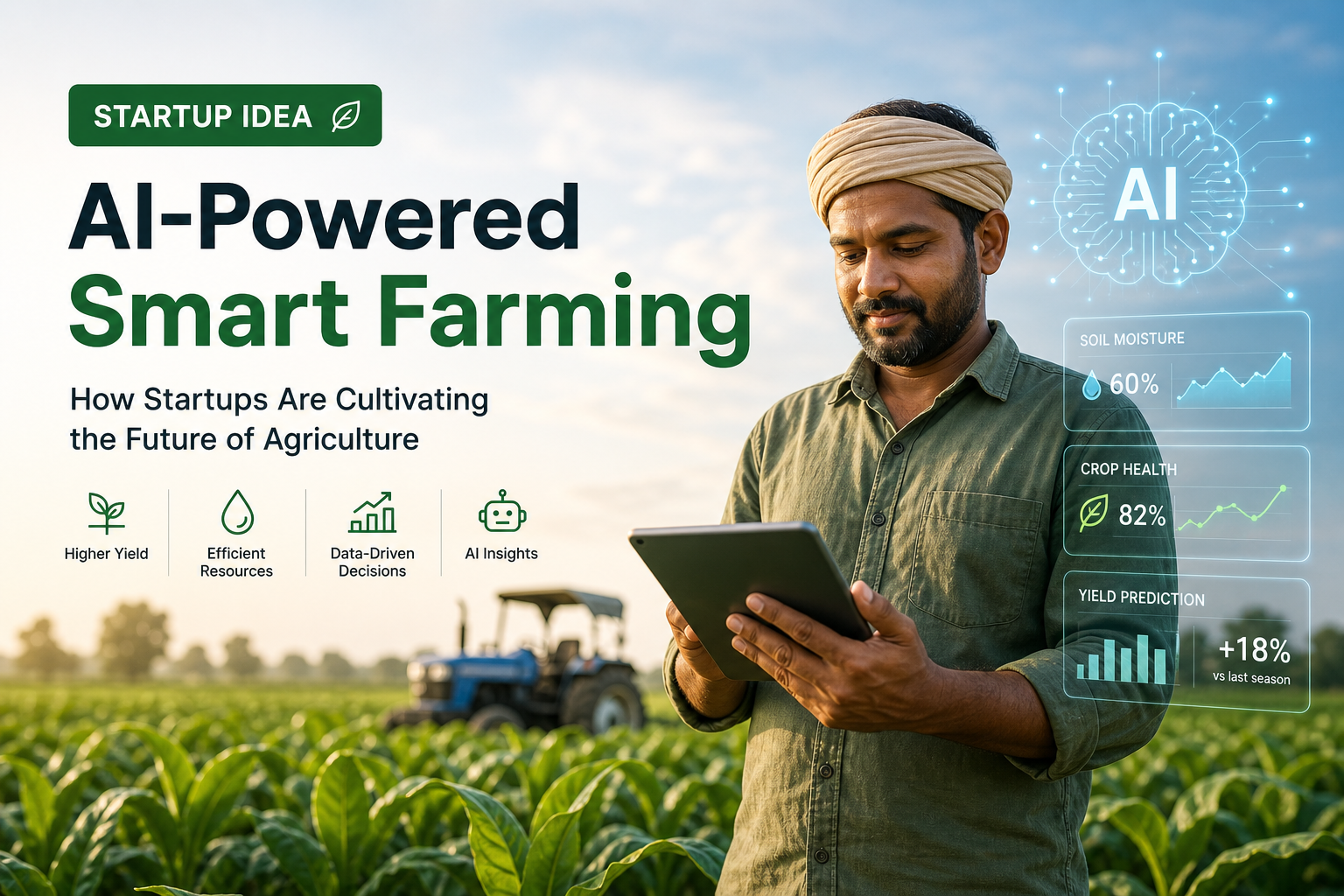
- Agricultural Management: Farmers can utilize IoT technology to monitor crop health and soil conditions, enabling precision agriculture practices that enhance yield and sustainability.
Adoption Risks and Challenges
Despite the promising outlook, the adoption of IoT mesh technology and digital twins is not without risks. Companies must navigate several challenges, including:
- Data Privacy and Security: As IoT devices collect vast amounts of data, ensuring the security and privacy of this information is paramount. Companies must implement robust cybersecurity measures to protect against potential breaches.
- Integration Complexity: The successful implementation of IoT mesh networks requires seamless integration with existing systems and processes, which can be complex and resource-intensive.
- Market Competition: The rapid growth of the IoT sector has led to increased competition. Startups must differentiate themselves through innovative solutions and effective marketing strategies to capture market share.
Investor Diligence and Strategic Considerations
For investors, the burgeoning IoT and digital twin markets present both opportunities and challenges. Diligence is essential when evaluating potential investments in startups pursuing these technologies. Key considerations include:
- Founder's Experience: Assessing the background and expertise of the founding team can provide insights into their ability to execute the business plan and navigate industry challenges.
- Market Fit: Understanding the target market and the specific problems the startup aims to solve is crucial for assessing the viability of the business model.
- Scalability: Investors should evaluate whether the startup's technology can scale effectively to meet growing demand and adapt to changing market conditions.
Conclusion
The intersection of IoT mesh technology and digital twin applications holds significant promise for enhancing operational efficiency and addressing environmental challenges. As the market continues to evolve, startups that can effectively leverage these technologies while addressing adoption risks will be well-positioned for success. Investors, too, must remain vigilant in their evaluations, ensuring that they support ventures with strong business models and capable leadership.
Editor's note: This is original market analysis and not investment advice.
What's Your Reaction?
 Like
0
Like
0
 Dislike
0
Dislike
0
 Love
0
Love
0
 Funny
0
Funny
0
 Angry
0
Angry
0
 Sad
0
Sad
0
 Wow
0
Wow
0