





The Future of Flood Prediction: Analyzing Market Trends and Investment Dynamics
The Future of Flood Prediction: Analyzing Market Trends and Investment Dynamics By Startup Korea Research Desk | May 26, 2026 As climate-related disasters become increasingly frequent, the demand for innovative solutions to mitigate their impact...

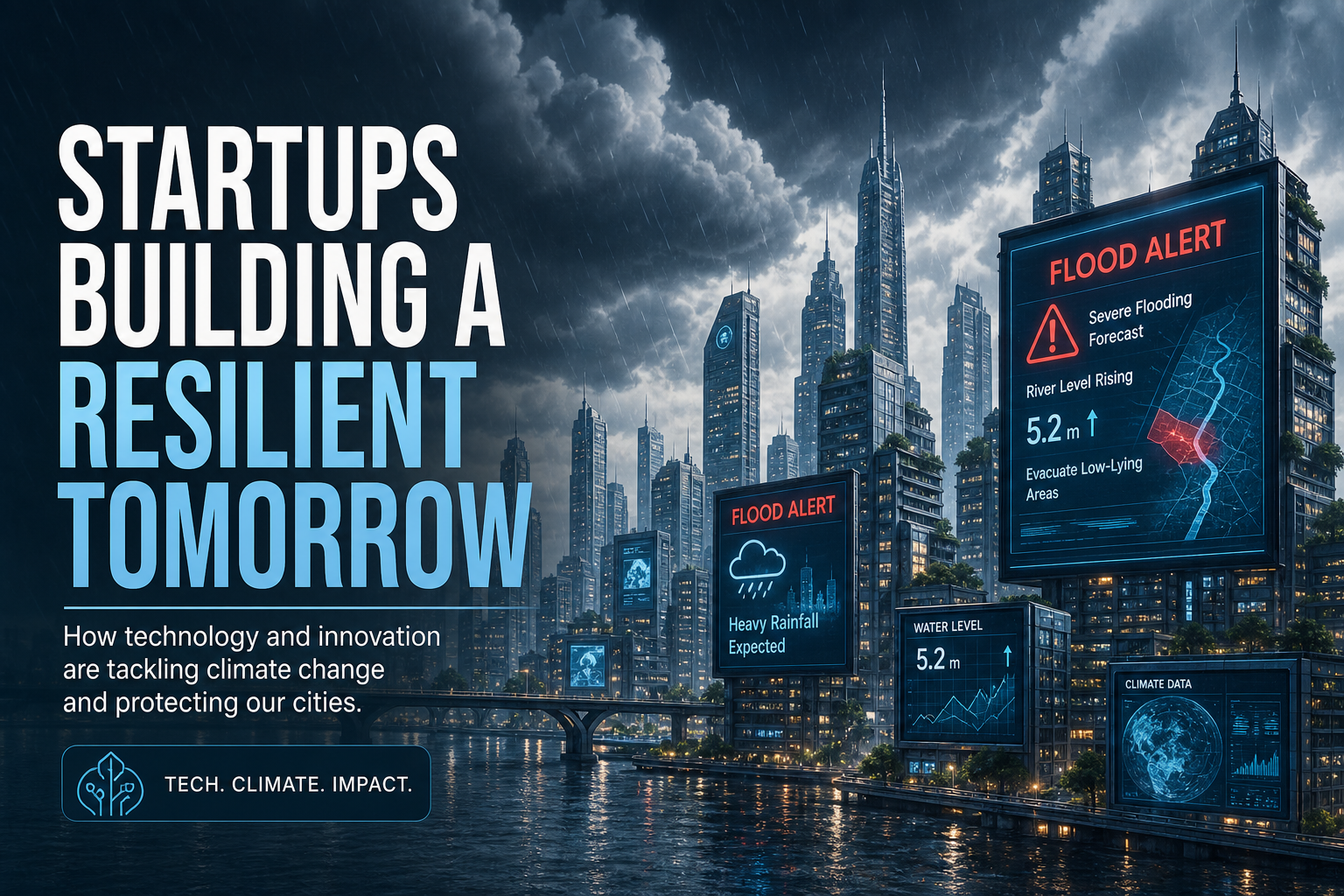
The Future of Flood Prediction: Analyzing Market Trends and Investment Dynamics
By Startup Korea Research Desk | May 26, 2026
As climate-related disasters become increasingly frequent, the demand for innovative solutions to mitigate their impact has surged. Flood prediction technologies, particularly those leveraging artificial intelligence (AI), are at the forefront of this trend. Recent investments in startups focusing on these technologies indicate a growing confidence in their potential to enhance public safety and reduce economic losses.
Market Context: The Rising Tide of Climate Challenges
The global weather technology market is projected to reach $15 billion by 2027, with flood prediction technologies expected to capture a significant share. This growth is driven by a combination of factors, including increased awareness of climate change, the rising frequency of severe weather events, and the need for proactive disaster management strategies.
According to the National Oceanic and Atmospheric Administration (NOAA), the incidence of floods has risen by 25% over the past decade. This alarming trend has prompted governments, businesses, and communities to seek advanced solutions that can provide timely warnings and actionable insights to mitigate flood risks.
Investment Dynamics: Capital Flowing into Predictive Technologies
Recent funding rounds for startups in the flood prediction space highlight a robust interest from investors. A notable example is a recent $200 million investment from a sovereign wealth fund into a startup focused on developing a local flood prediction alert system. This investment reflects a broader trend where venture capitalists are increasingly willing to back technologies that promise to address pressing societal challenges.
Investors are drawn to the potential of AI-driven predictive algorithms that can analyze vast datasets—including social media activity, satellite imagery, and historical weather patterns—to forecast flood events with greater accuracy. This approach not only aims to provide timely alerts but also seeks to enhance public understanding of flood risks, thereby empowering communities to take preventive measures.
Business Models: Navigating Adoption Risks
While the technology behind flood prediction holds promise, the path to widespread adoption is fraught with challenges. One of the primary risks is the reliance on data quality and availability. Predictive models are only as good as the data they are built upon, and inconsistencies in data can lead to inaccurate forecasts.
Moreover, the effectiveness of these systems hinges on user engagement. For predictive algorithms to be truly beneficial, communities must trust and utilize the information provided. This requires not only robust technology but also effective communication strategies that translate complex data into understandable insights.
Founder Strategies: Building Trust and Ensuring Efficacy
For founders in the flood prediction space, developing a strong value proposition is essential. This involves not only showcasing the technical capabilities of their solutions but also demonstrating their real-world applicability. Engaging with potential users—such as local governments, emergency services, and community organizations—can help build trust and facilitate adoption.
Additionally, founders must remain vigilant about the evolving landscape of climate science and technology. Staying informed about advancements in AI, machine learning, and meteorological research will be crucial for maintaining a competitive edge and ensuring that their solutions remain relevant.
Conclusion: A Promising Yet Challenging Landscape
The intersection of AI technology and flood prediction presents a compelling opportunity for startups and investors alike. As climate challenges intensify, the demand for effective predictive solutions will likely continue to grow. However, the success of these technologies will depend on addressing adoption risks, ensuring data integrity, and fostering trust among users.
In summary, while the potential for AI-driven flood prediction systems is significant, stakeholders must navigate a complex landscape to realize their full benefits. The coming years will be critical in determining how these technologies evolve and how effectively they can contribute to disaster preparedness and community resilience.
Editor's note: This article is original market analysis and not investment advice.
What's Your Reaction?
 Like
0
Like
0
 Dislike
0
Dislike
0
 Love
0
Love
0
 Funny
0
Funny
0
 Angry
0
Angry
0
 Sad
0
Sad
0
 Wow
0
Wow
0