
The Future of Automated Retail: Analyzing the Emergence of Emotional Intelligence in Grocery Shopping
The Future of Automated Retail: Analyzing the Emergence of Emotional Intelligence in Grocery Shopping By Startup Korea Research Desk | May 03, 2026 The automated retail sector is undergoing a significant transformation as startups explore ways t...

The Future of Automated Retail: Analyzing the Emergence of Emotional Intelligence in Grocery Shopping
By Startup Korea Research Desk | May 03, 2026
The automated retail sector is undergoing a significant transformation as startups explore ways to integrate emotional intelligence into their offerings. This shift aims to enhance customer experiences in environments traditionally characterized by efficiency and convenience. As the market evolves, understanding the implications of these innovations is crucial for investors, entrepreneurs, and consumers alike.
Market Dynamics and Growth Potential
The global automated retail market is projected to reach $200 billion by 2028, driven by increasing consumer demand for convenience and efficiency. Recent market analyses indicate a growth rate of approximately 25% year-on-year, highlighting the sector's rapid expansion. As consumers become more accustomed to automated solutions, the expectation for personalized experiences is also rising. A recent survey revealed that 78% of shoppers desire more tailored interactions, even if facilitated by technology.
Innovative Business Models in Focus
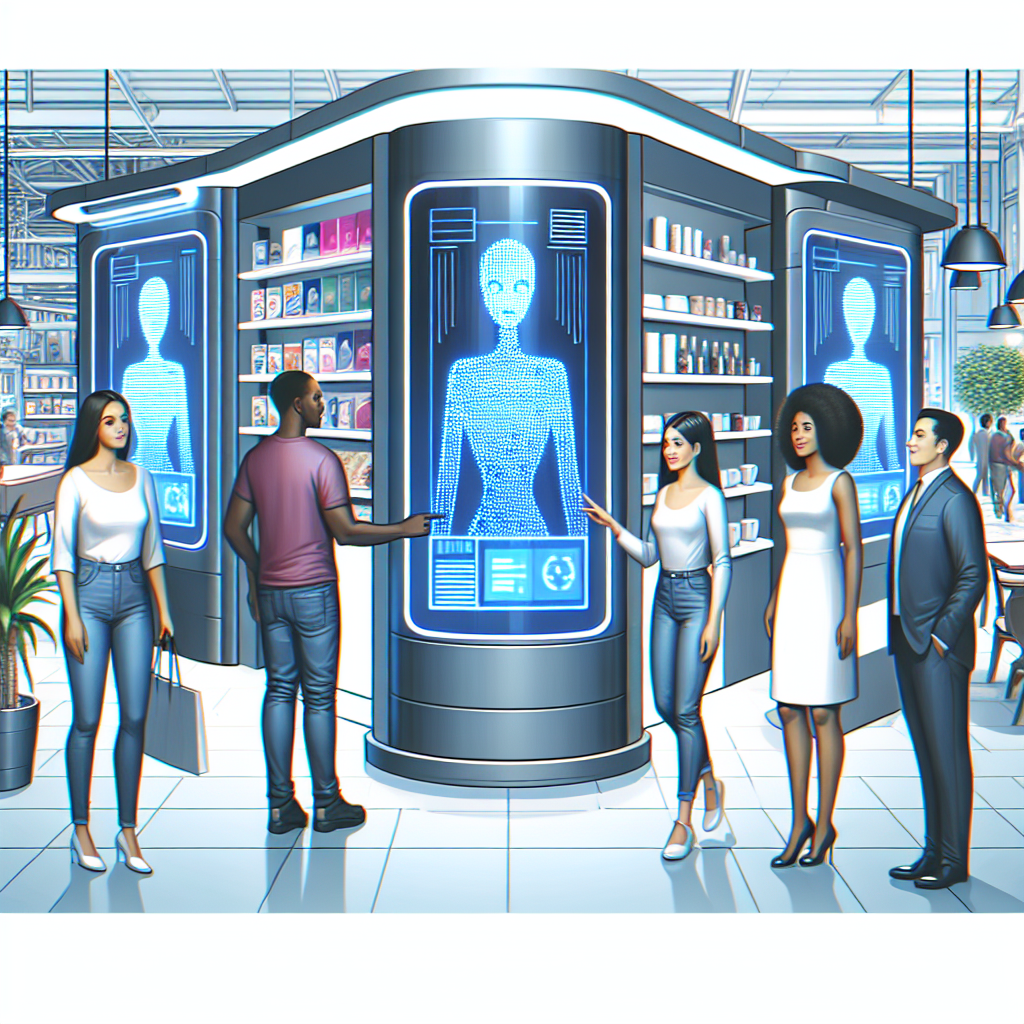
Startups are increasingly adopting innovative business models that emphasize emotional engagement alongside automation. One notable approach is the development of technologies that mimic human interaction, aiming to create a sense of warmth and connection in automated environments. These models often leverage advanced algorithms that analyze customer behavior and preferences to deliver personalized shopping experiences.
Investment Trends and Opportunities
The interest from venture capitalists in startups focused on emotional intelligence in retail is growing. Recent funding rounds have seen substantial investments, indicating a strong belief in the potential of these technologies to reshape consumer interactions. Investors are particularly drawn to companies that can demonstrate a clear value proposition, combining convenience with a more human-like shopping experience.
Challenges and Adoption Risks
While the potential for emotional intelligence in automated retail is promising, several challenges and risks must be addressed. One significant concern is consumer privacy. As businesses collect and analyze data to create personalized experiences, they must navigate the complexities of data protection regulations and consumer trust. Failure to do so could lead to backlash and hinder adoption.
Additionally, the technology itself must prove reliable and effective. Startups need to ensure that their algorithms can accurately interpret customer needs and preferences without compromising privacy. The balance between automation and human touch is delicate, and missteps could result in consumer dissatisfaction.
Strategic Considerations for Founders
For founders in the automated retail space, developing a clear strategy is essential. This includes not only the technological aspects but also how to communicate the benefits of emotional intelligence to consumers. Educating the market about the advantages of these innovations can foster acceptance and drive adoption.
Moreover, collaboration with privacy experts and compliance professionals can help mitigate risks associated with data handling. Establishing transparent practices around data usage will be crucial in building consumer trust and loyalty.
Conclusion
The integration of emotional intelligence in automated retail represents a significant shift in how consumers interact with technology. As the market continues to evolve, startups that successfully navigate the challenges of privacy, technology reliability, and consumer education will likely emerge as leaders in this space. Investors should remain diligent in assessing the viability of these business models, focusing on the balance between innovation and consumer needs.
Editor's note: This is original market analysis and not investment advice.
What's Your Reaction?
 Like
0
Like
0
 Dislike
0
Dislike
0
 Love
0
Love
0
 Funny
0
Funny
0
 Angry
0
Angry
0
 Sad
0
Sad
0
 Wow
0
Wow
0