


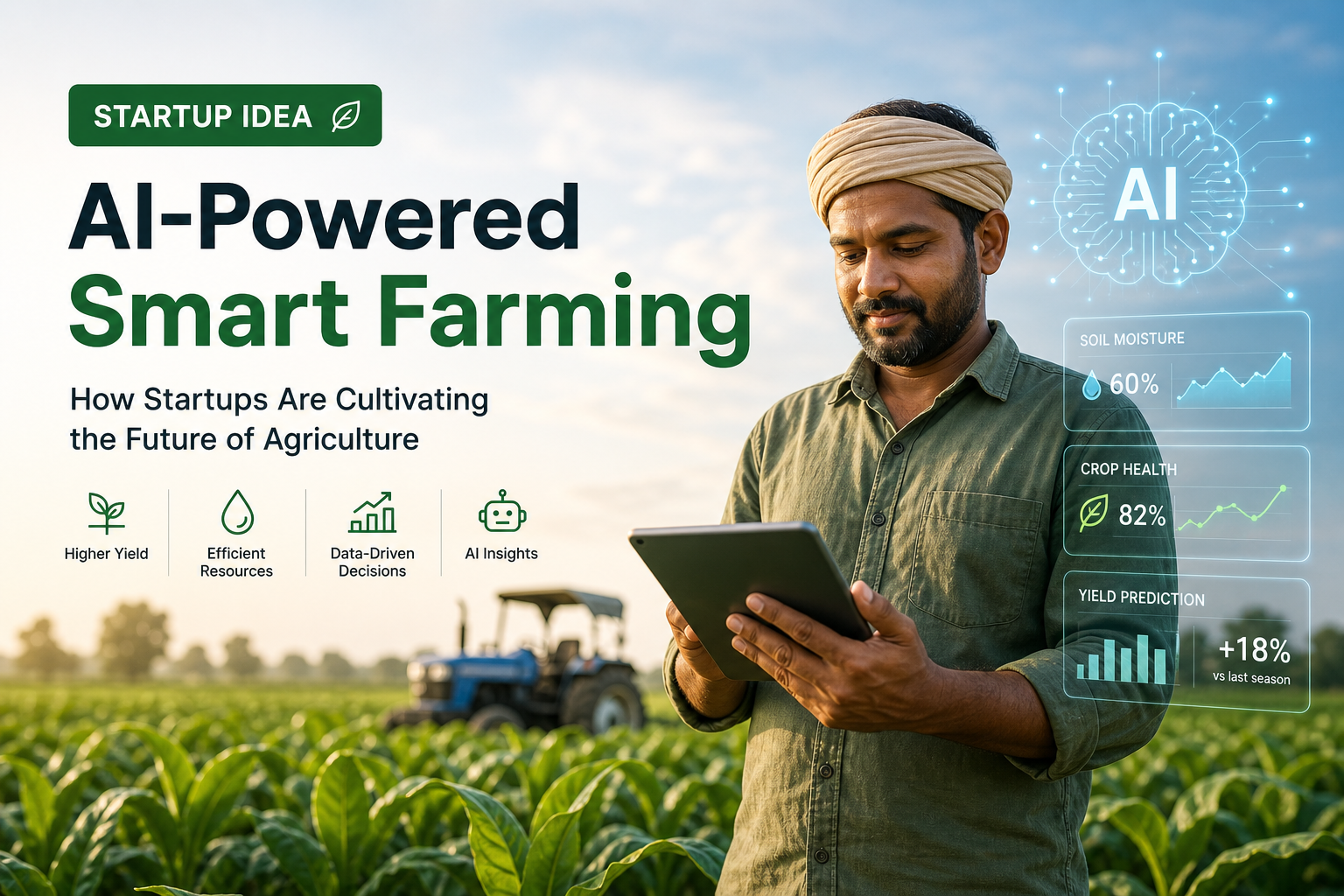


The Future of Agriculture: Analyzing the Investment in Drone Technology and UWB Mesh Networks
The Future of Agriculture: Analyzing the Investment in Drone Technology and UWB Mesh Networks By Startup Korea Research Desk | Apr 14, 2026 The agricultural sector is undergoing a significant transformation, driven by technological advancements...

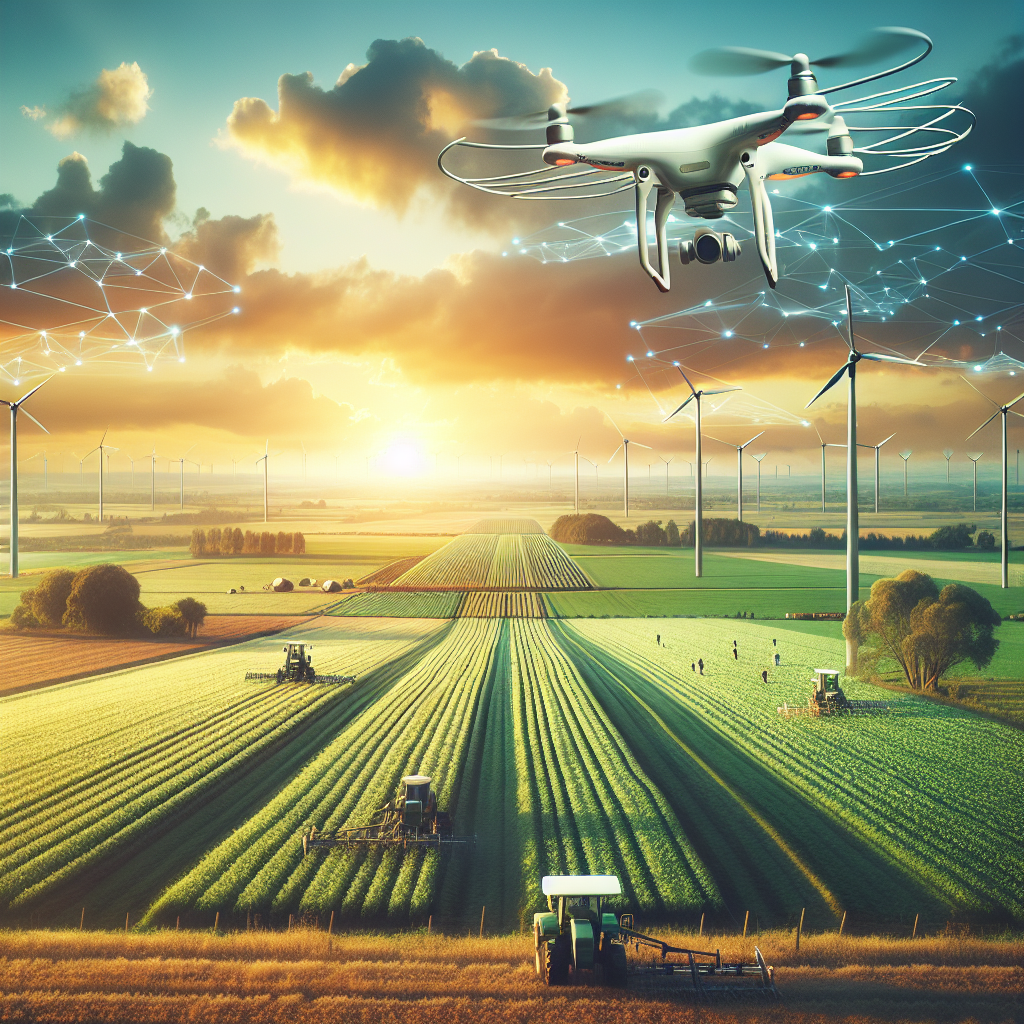
The Future of Agriculture: Analyzing the Investment in Drone Technology and UWB Mesh Networks
By Startup Korea Research Desk | Apr 14, 2026
The agricultural sector is undergoing a significant transformation, driven by technological advancements that promise to enhance efficiency and productivity. Recently, a notable investment of $30 million was made in a startup focused on drone technology integrated with Ultra-Wideband (UWB) mesh networks. This analysis explores the implications of such investments, the market landscape, and the potential risks and rewards associated with adopting these technologies in agriculture.
Market Context: A Sector Primed for Disruption
The global agricultural technology market is on a trajectory of rapid growth, with projections indicating a compounded annual growth rate (CAGR) of 25.5%, potentially reaching $29 billion by 2027. This growth is fueled by increasing global food demand, which is expected to surge by 70% by 2050, according to the United Nations. As traditional farming methods face challenges in meeting this demand, innovative solutions such as drone technology are becoming increasingly attractive to investors.
Understanding Drone Technology in Agriculture
Drones equipped with UWB mesh technology are designed to enhance operational efficiency in farming. UWB technology allows for precise positioning and communication among a fleet of drones, enabling them to perform tasks such as planting, monitoring, and harvesting crops with high accuracy. This capability is particularly beneficial in large agricultural areas where traditional methods may fall short.
Investment Trends in Agritech
The recent $30 million investment in drone technology is part of a broader trend where venture capitalists are increasingly allocating funds to agritech startups. In the previous year alone, nearly $5 billion was invested in this sector, highlighting the growing interest in technologies that can address the pressing challenges of food production and sustainability. Investors are drawn to the potential for high returns as these technologies are adopted more widely in the agricultural sector.
Business Model Quality and Scalability
Startups focusing on drone technology must develop robust business models that demonstrate scalability and sustainability. The integration of UWB mesh networks into drone operations presents a unique value proposition, as it enhances the coordination and efficiency of agricultural tasks. However, startups must also consider the cost of technology adoption for farmers, ensuring that the benefits outweigh the initial investment required for implementation.
Adoption Risks and Challenges
Despite the promising potential of drone technology in agriculture, there are several risks and challenges associated with its adoption. Farmers may be hesitant to invest in new technologies due to concerns about reliability, cost, and the learning curve associated with operating advanced equipment. Additionally, regulatory hurdles and the need for infrastructure to support drone operations can pose significant barriers to entry.
Investor Diligence: Evaluating Opportunities
Investors looking to capitalize on the agritech boom must conduct thorough due diligence when evaluating startups in the drone technology space. Key factors to consider include the startup's technology maturity, market demand, competitive landscape, and the experience of the founding team. Understanding the specific needs of the agricultural sector and how the technology addresses those needs is crucial for assessing the viability of the investment.
Strategic Considerations for Founders
For founders in the agritech space, developing a clear strategy for market entry and growth is essential. This includes identifying target customer segments, establishing partnerships with agricultural stakeholders, and ensuring that the technology is user-friendly and accessible. Additionally, founders should be prepared to adapt their business models based on feedback from early adopters and the evolving needs of the market.
Conclusion
The investment in drone technology and UWB mesh networks represents a significant opportunity for innovation in the agricultural sector. As the demand for efficient and sustainable farming solutions continues to grow, startups that can effectively leverage these technologies are well-positioned for success. However, both investors and founders must remain vigilant about the risks and challenges associated with technology adoption in agriculture.
Editor's note: This article presents original market analysis and is not intended as investment advice.
What's Your Reaction?
 Like
0
Like
0
 Dislike
0
Dislike
0
 Love
0
Love
0
 Funny
0
Funny
0
 Angry
0
Angry
0
 Sad
0
Sad
0
 Wow
0
Wow
0