



The Emergence of No-Meeting Work Environments: A Market Analysis
The Emergence of No-Meeting Work Environments: A Market Analysis By Startup Korea Research Desk | Apr 19, 2026 In recent years, the corporate landscape has experienced significant shifts, particularly in the wake of the global pandemic. One of t...


The Emergence of No-Meeting Work Environments: A Market Analysis
By Startup Korea Research Desk | Apr 19, 2026
In recent years, the corporate landscape has experienced significant shifts, particularly in the wake of the global pandemic. One of the more provocative trends to emerge is the concept of a no-meeting work environment. This innovative approach aims to enhance productivity by eliminating traditional meetings, which many employees find unproductive and time-consuming. A startup has recently garnered attention for its ambitious goal of creating a "No-Meeting Company Simulator," which has raised substantial funding to explore this uncharted territory.
Market Context: The Shift Towards Remote Work
The transition to remote work has been accelerated by necessity, leading organizations to rethink their operational structures. According to a report by the Harvard Business Review, companies that adopted remote work reported a 47% increase in productivity, yet simultaneously noted a 73% rise in time wasted during virtual meetings. This paradox highlights the growing frustration with conventional meeting formats and the potential for alternative solutions.
The no-meeting concept seeks to address these inefficiencies by leveraging technology to facilitate collaboration without the need for face-to-face interactions. The global productivity software market, valued at approximately $300 billion, presents a significant opportunity for startups that can successfully innovate in this space.
Business Model Viability
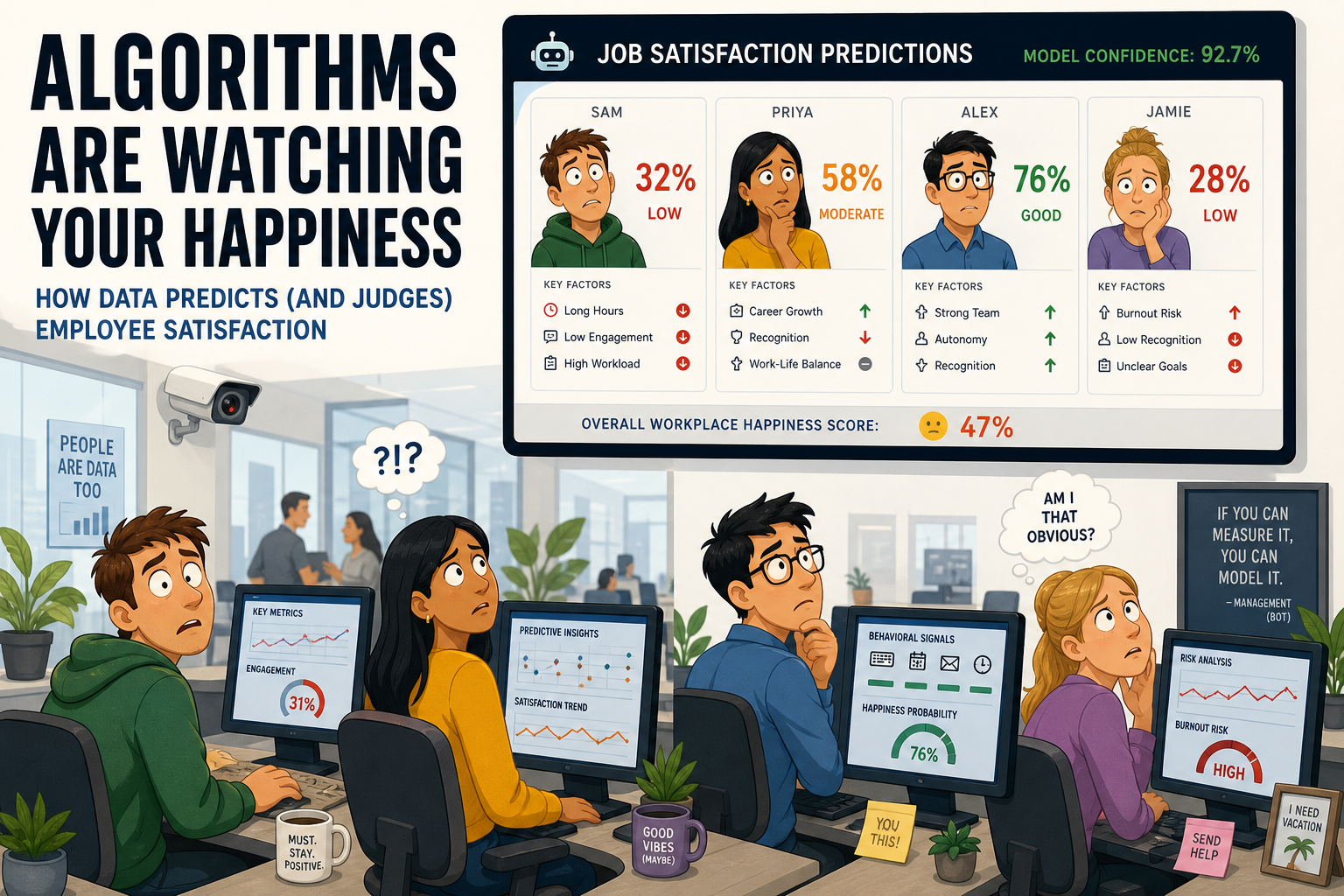
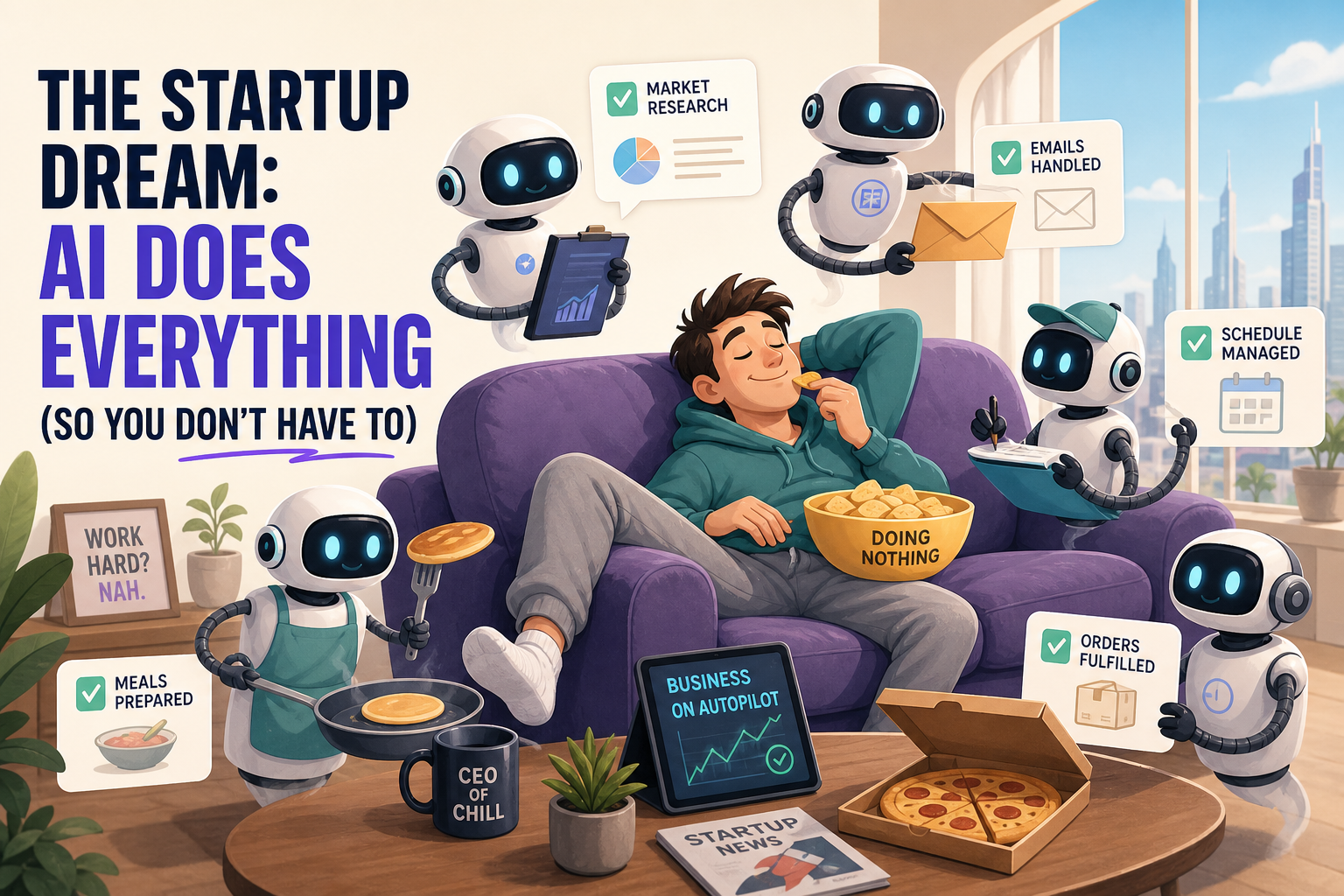
The business model behind a no-meeting simulator hinges on the belief that productivity can be enhanced through algorithm-driven workflows. By minimizing the time spent in meetings, the startup aims to redirect focus towards task completion and individual contributions. This approach could resonate with organizations seeking to streamline operations and improve employee satisfaction.
However, the effectiveness of this model relies heavily on the ability of technology to facilitate meaningful collaboration. While automation and algorithms can optimize certain processes, they may not fully replicate the nuanced decision-making and interpersonal dynamics that occur in traditional meetings. As such, the startup must demonstrate that its technology can effectively replace or enhance human interaction rather than merely eliminate it.
Adoption Risks and Challenges
Despite the potential benefits, the adoption of a no-meeting model is not without risks. Organizations may face cultural resistance, as meetings have long been ingrained in corporate practices. Employees accustomed to structured interactions may struggle to adapt to a more autonomous work environment. Furthermore, the reliance on technology raises concerns about accessibility and the potential for miscommunication.
Industry experts caution that while the idea of a no-meeting environment is appealing, it may not be suitable for all organizations. The effectiveness of such a model will likely vary based on company size, industry, and existing communication practices. Companies must carefully evaluate their unique needs and the potential impact on team dynamics before fully committing to this approach.
Investor Diligence and Market Outlook
The recent funding round for the no-meeting simulator has attracted interest from investors looking to capitalize on emerging trends in the workplace. However, due diligence is essential. Investors must assess the startup's technology, market positioning, and the scalability of its business model. The success of this venture will depend on its ability to deliver tangible results and adapt to the evolving needs of the workforce.
As the market for productivity solutions continues to grow, the no-meeting concept represents a bold experiment. If successful, it could redefine how organizations approach collaboration and communication. However, the startup must navigate the complexities of human interaction and organizational culture to realize its vision.
Conclusion
The emergence of no-meeting work environments reflects a broader trend towards rethinking traditional workplace practices. While the potential for increased productivity and employee satisfaction is enticing, organizations must carefully consider the implications of such a shift. The success of the no-meeting simulator will ultimately depend on its ability to balance technological innovation with the essential human elements of collaboration.
Editor's note: This is original market analysis and not investment advice.
What's Your Reaction?
 Like
0
Like
0
 Dislike
0
Dislike
0
 Love
0
Love
0
 Funny
0
Funny
0
 Angry
0
Angry
0
 Sad
0
Sad
0
 Wow
0
Wow
0