



Navigating Developer Well-Being: The Market for Productivity Tracking Solutions
Navigating Developer Well-Being: The Market for Productivity Tracking Solutions By Startup Korea Research Desk | May 25, 2026 The tech industry is increasingly recognizing the importance of employee well-being, particularly in the context of dev...

Navigating Developer Well-Being: The Market for Productivity Tracking Solutions
By Startup Korea Research Desk | May 25, 2026
The tech industry is increasingly recognizing the importance of employee well-being, particularly in the context of developer burnout. With a significant percentage of tech employees reporting feelings of exhaustion and disengagement, innovative solutions aimed at improving productivity and mental health are gaining traction. This analysis explores the emerging market for productivity tracking solutions, the associated risks, and the implications for investors and founders.
The Burnout Crisis in Tech
Burnout is a pervasive issue within the tech sector, with studies indicating that approximately 77% of tech employees experience some form of burnout. This alarming statistic has prompted a growing number of startups to develop tools designed to monitor and enhance developer well-being. These solutions often leverage advanced technologies, including artificial intelligence and data analytics, to provide insights into employee productivity and emotional health.
Emerging Solutions and Market Trends
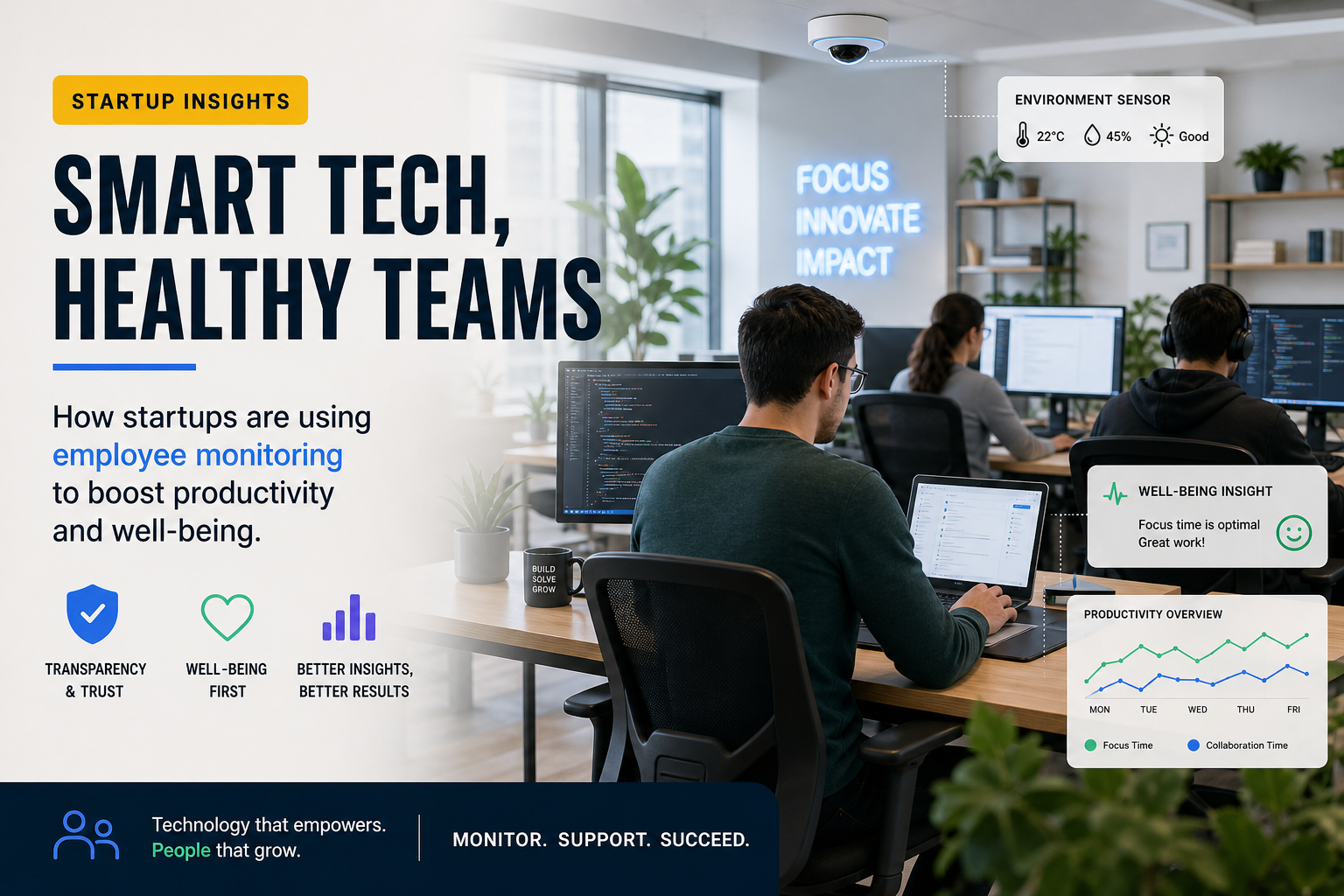
Recent innovations in the market include hybrid tracking systems that utilize a combination of Bluetooth Low Energy (BLE) and Ultra-Wideband (UWB) technologies. These systems aim to provide real-time data on coding productivity and emotional states, with the goal of predicting and preventing burnout before it occurs. The global wellness technology market is projected to reach $87 billion by 2026, indicating a significant opportunity for startups focusing on workplace wellness.
Business Models and Value Proposition
Startups entering this space typically adopt subscription-based business models, offering their tracking solutions as software-as-a-service (SaaS). This model allows companies to integrate wellness tracking into their existing workflows seamlessly. The value proposition often centers around increased productivity, with some solutions claiming potential productivity boosts of up to 250%. However, such claims warrant scrutiny, as they raise questions about the accuracy of the underlying methodologies.
Investor Diligence and Market Viability
Investors are showing keen interest in this sector, drawn by the dual promise of addressing a critical workplace issue while capitalizing on a rapidly growing market. However, due diligence is crucial. Investors must evaluate not only the technological feasibility of these solutions but also their ethical implications. The balance between monitoring for productivity and respecting employee privacy is delicate, and missteps could lead to reputational damage and loss of trust.
Risks and Ethical Considerations
While the potential benefits of productivity tracking solutions are compelling, several risks must be considered. Critics argue that constant monitoring may foster an environment of distrust, potentially exacerbating burnout rather than alleviating it. The line between innovative workplace solutions and invasive surveillance is thin, and companies must tread carefully to avoid alienating their workforce.
Strategies for Founders
For founders looking to enter this market, a clear strategy is essential. They should prioritize transparency in how data is collected and used, ensuring that employees understand the benefits of participation. Engaging with employees during the development process can also help mitigate concerns and foster a culture of trust. Additionally, founders should be prepared to iterate on their products based on user feedback, adapting to the evolving needs of the workforce.
Conclusion
The market for productivity tracking solutions aimed at combating developer burnout is poised for growth, driven by increasing awareness of employee well-being in the tech industry. However, as startups innovate in this space, they must navigate the complexities of ethical considerations and employee trust. Investors should approach opportunities in this sector with diligence, weighing the potential rewards against the risks associated with monitoring technologies.
Editor's note: This article is original market analysis and not investment advice.
What's Your Reaction?
 Like
0
Like
0
 Dislike
0
Dislike
0
 Love
0
Love
0
 Funny
0
Funny
0
 Angry
0
Angry
0
 Sad
0
Sad
0
 Wow
0
Wow
0