
Market Analysis: The Emergence of Weather-Dependent Retail Startups
Market Analysis: The Emergence of Weather-Dependent Retail Startups By Startup Korea Research Desk | Apr 30, 2026 The retail landscape is witnessing a notable shift towards niche markets, particularly those influenced by weather conditions. This...

Market Analysis: The Emergence of Weather-Dependent Retail Startups
By Startup Korea Research Desk | Apr 30, 2026
The retail landscape is witnessing a notable shift towards niche markets, particularly those influenced by weather conditions. This trend is exemplified by the rise of startups that focus on selling products tailored to specific weather scenarios, such as umbrellas and rain gear. With a projected annual growth rate of 25% in this sector, it is essential to analyze the business models, consumer behavior, and investment opportunities that define this emerging market.
The Growth of Niche Weather-Dependent Commerce
As consumer preferences evolve, there is a growing demand for products that cater to specific environmental conditions. This shift is driven by an increasingly affluent consumer base that is willing to invest in products that enhance their experience during adverse weather. Startups that capitalize on this trend are not merely selling products; they are creating experiences that transform how consumers interact with their environment.
Business Models and Technology Integration
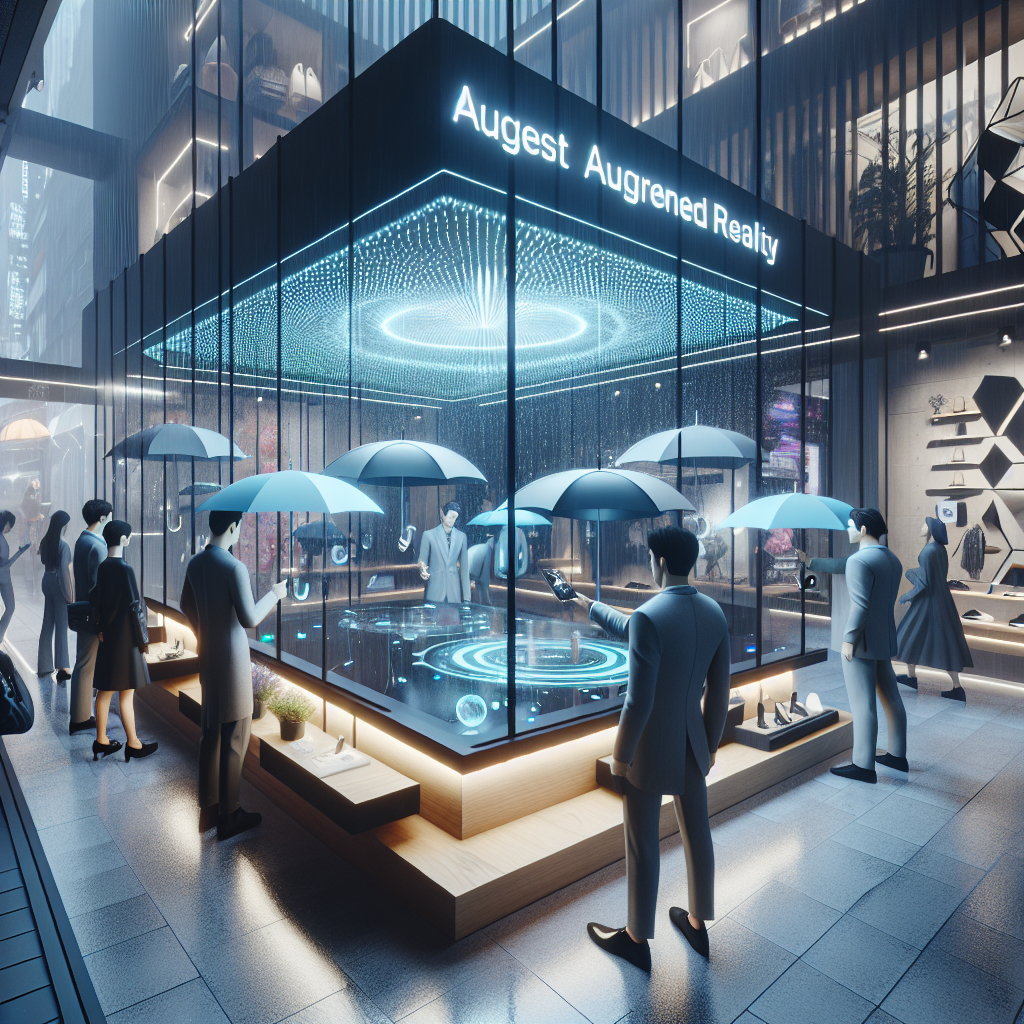
One of the key differentiators for startups in this space is the integration of technology, particularly augmented reality (AR). By leveraging AR, companies can provide consumers with a unique shopping experience that allows them to visualize products in their own environments before making a purchase. This technology not only enhances consumer engagement but also reduces the likelihood of returns, a common issue in online retail.
- Augmented Reality Applications: Startups are utilizing AR to allow consumers to see how products like umbrellas or raincoats would look in real-life settings, thereby enhancing the decision-making process.
- Experience-Centric Marketing: The focus is shifting from traditional marketing strategies to experience-driven campaigns that highlight the enjoyment of products even in less favorable weather.
- Consumer Engagement: By creating interactive platforms, these startups can foster a deeper connection with their customers, encouraging brand loyalty and repeat purchases.
Consumer Behavior and Spending Patterns
Recent surveys indicate that a significant portion of consumers—approximately 40%—are willing to spend more during adverse weather conditions. This willingness to invest in weather-related products suggests a shift in consumer mindset, where rainy days are no longer seen as a deterrent but rather as an opportunity for unique experiences. Understanding this behavior is crucial for startups aiming to position themselves effectively within this market.
Investment Landscape and Market Skepticism
Despite the promising outlook for weather-dependent retail, skepticism remains among investors and analysts. Concerns about the sustainability of such niche markets have been raised, particularly regarding the potential for market saturation. Analysts caution that while the novelty of weather-dependent products may attract initial interest, long-term viability will depend on continuous innovation and consumer engagement.
Furthermore, the competitive landscape is becoming increasingly crowded, with numerous startups vying for market share. This competition could lead to challenges in differentiation and customer retention, making it imperative for new entrants to develop robust business strategies that focus on unique value propositions.
Risks and Strategic Considerations
Startups in the weather-dependent retail space must navigate several risks, including:
- Market Saturation: As more players enter the market, distinguishing oneself becomes increasingly challenging.
- Consumer Trends: Changes in consumer preferences can impact demand for niche products, necessitating agile business strategies.
- Technological Dependence: Relying heavily on technology for consumer engagement may pose risks if not executed effectively.
To mitigate these risks, founders should prioritize understanding their target market and continuously adapt their offerings based on consumer feedback and market trends. Building a strong brand identity that resonates with consumers will also be crucial for long-term success.
Conclusion
The emergence of weather-dependent retail startups represents a fascinating intersection of consumer behavior, technology, and niche marketing. As this sector continues to evolve, it presents both opportunities and challenges for entrepreneurs and investors alike. By focusing on innovative business models and understanding consumer dynamics, startups can position themselves for success in this growing market.
Editor's note: This article represents original market analysis and is not intended as investment advice.
What's Your Reaction?
 Like
0
Like
0
 Dislike
0
Dislike
0
 Love
0
Love
0
 Funny
0
Funny
0
 Angry
0
Angry
0
 Sad
0
Sad
0
 Wow
0
Wow
0