



Is Your Bed Cheating on You? Startups Unveil Revolutionary AI to Track Mattress Infidelity
By StartupKorea Business Desk | Mar 06, 2026 The Curious Case of Bed Exit Rates: A Startup's Quest for Mattress FidelityIn an astonishing twist that could change the way we think about our nightly slumbers, the fledgling company SnoozeGuard...

By StartupKorea Business Desk | Mar 06, 2026
The Curious Case of Bed Exit Rates: A Startup's Quest for Mattress Fidelity
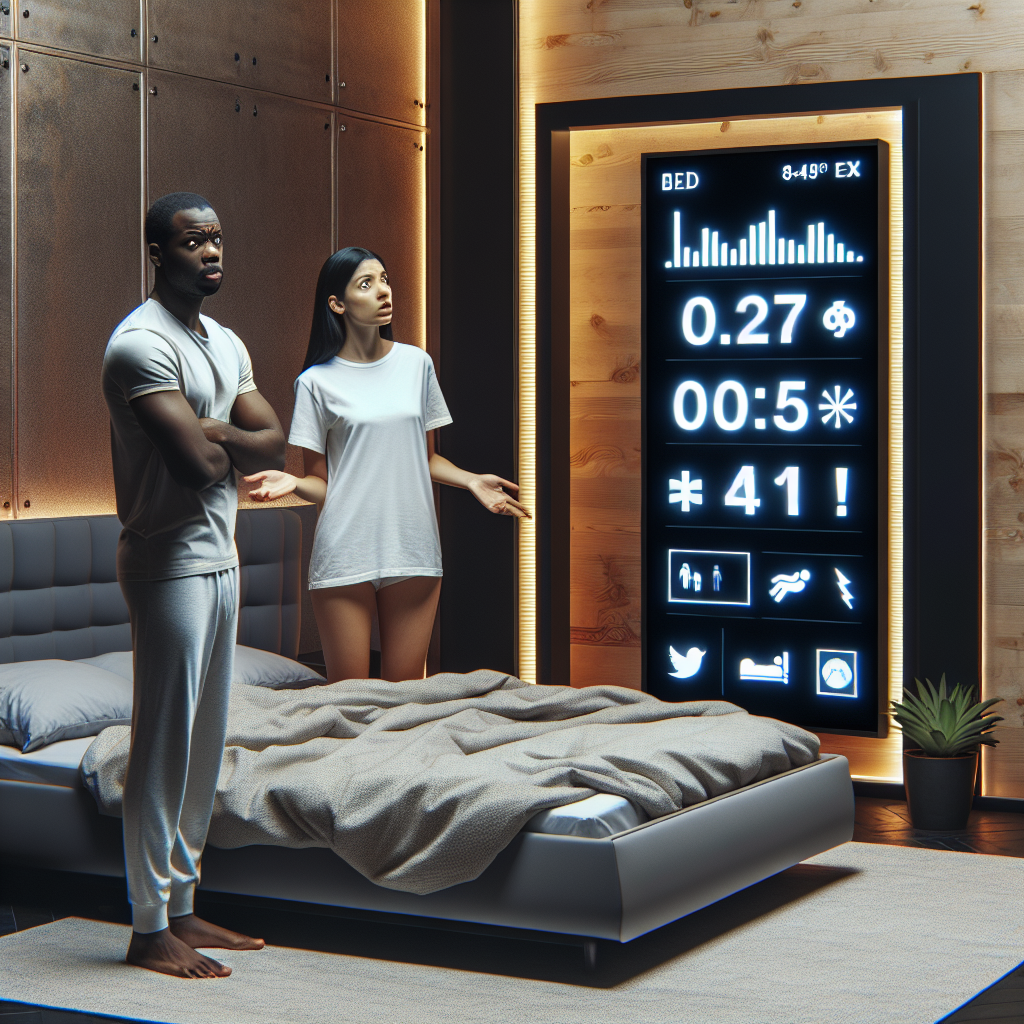
In an astonishing twist that could change the way we think about our nightly slumbers, the fledgling company SnoozeGuard has launched a groundbreaking service aimed at analyzing bed exit rates through sophisticated AI anomaly detection. With an initial investment of $30 million from a consortium of global funds and a mission to end nighttime escapes once and for all, SnoozeGuard is betting that sleep-deprived partners everywhere will pay to uncover the shocking truth about their loved ones' nocturnal habits.
The Science of Sleep (and Infidelity)
Leveraging advanced time-series anomaly detection algorithms, SnoozeGuard promises to analyze when, how often, and why people get out of bed, offering a comprehensive report on each user’s nocturnal wanderings. “We’re not just tracking sleep; we’re revolutionizing trust in relationships,” proclaimed CEO Samantha Restmore, whose own bed exit rates have reportedly inspired the venture.
The service comes at a time when individuals are more invested in understanding their sleep patterns than ever before. According to a recent report from the National Sleep Foundation, 70% of Americans are increasingly concerned about their sleep quality, while 40% admit to occasionally leaving their beds for reasons that may or may not involve seeking snacks.
Investment in Sleep: A No-Brainer?
The $30 million investment from global venture capitalists is seen as a gamble with a tantalizing pay-off. “Let’s face it, couples are willing to invest in anything that promises peace of mind regarding who might be snoring or sneaking out for midnight snacks,” said investment analyst Derek Duvet. “The bed exit tracking market could grow by 150% over the next five years if people are willing to pay for the truth.”
An Industry Awash with Potential—and Risks
While the potential for profitability is alluring, there are undeniable risks. Critics question the ethics of monitoring one’s partner's bed habits under the guise of improving sleep quality. “This could open a Pandora’s box of distrust,” warned relationship expert Dr. Lila Snoozer. “What’s next—tracking their bathroom breaks?”
Furthermore, the technological feasibility of implementing such monitoring with precision raises eyebrows. If the AI misinterprets a midnight excursion to the kitchen for a secret rendezvous with a stylish new kettle, will relationships be irreparably damaged? “I’d be devastated if I found out my partner was just making tea,” mused a potential user, who chose to remain anonymous.
The Market Landscape: Sleep Tech Boom
As sleep technology gains traction, the global sleep aid market is projected to reach $112 billion by 2025. Companies focusing on sleep tracking, including wearables and apps, have already proved lucrative. SnoozeGuard’s approach seems to blend paranoia with technology, appealing to those who fear their beds may be more inviting to others.
- Global sleep aid market: $112 billion by 2025
- 70% of Americans concerned about sleep quality
- Potential 150% market growth for bed monitoring services
Conclusion: The Last Frontier of Trust?
As SnoozeGuard prepares to launch its services, the implications are vast and humorous. The intersection of bed-related infidelity and cutting-edge AI could soon become a staple of American households. Will couples find solace in tracking bed exits, or will they face the uncomfortable truth that perhaps they should question their own bed habits instead? Only time—and a lot of data—will tell.
What's Your Reaction?
 Like
0
Like
0
 Dislike
0
Dislike
0
 Love
0
Love
0
 Funny
0
Funny
0
 Angry
0
Angry
0
 Sad
0
Sad
0
 Wow
0
Wow
0