



Investors Embrace Tech-Driven Solutions for Social Anxiety: A Market Analysis
By Startup Korea Research Desk | May 20, 2026 The intersection of technology and mental health is gaining significant traction as startups develop innovative solutions to address social anxiety. Recent investments in this sector highlight a grow...

By Startup Korea Research Desk | May 20, 2026
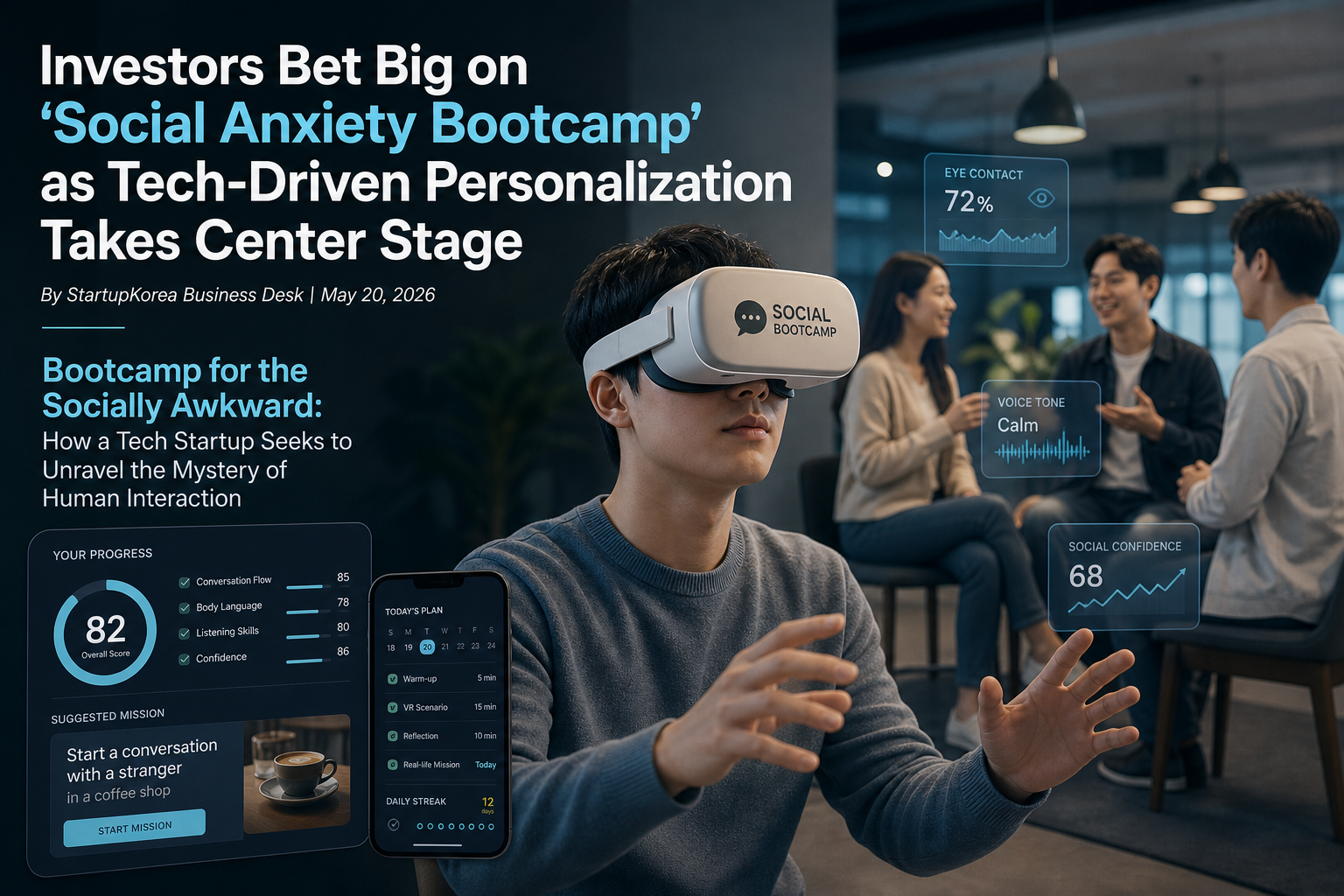
The intersection of technology and mental health is gaining significant traction as startups develop innovative solutions to address social anxiety. Recent investments in this sector highlight a growing recognition of the importance of mental well-being in our increasingly digital world. This analysis explores the current market landscape, the potential of tech-driven personalization in mental health solutions, and the associated risks and opportunities for investors and founders.
The Rise of Mental Health Solutions
The global mental health app market is projected to reach $5.5 billion by 2027, reflecting a compound annual growth rate of 37%. This growth is driven by heightened awareness of mental health issues and a shift towards more accessible solutions. Startups focusing on social anxiety, in particular, are carving out a niche that combines technology with therapeutic practices.
Personalization: The Key to Engagement
One of the most compelling aspects of new mental health startups is their emphasis on personalization. By leveraging advanced algorithms and data analytics, these companies aim to tailor experiences to individual users, enhancing engagement and effectiveness. For instance, a startup might use user data to recommend specific social interactions or group settings that align with a participant's comfort level and social skills.
Market Trends and Opportunities
- Growing Acceptance: There is a notable shift in societal attitudes towards mental health, with increasing acceptance of therapy and mental health apps as viable solutions. This cultural change creates a favorable environment for startups targeting social anxiety.
- Technological Integration: The integration of technology into mental health solutions is not just a trend but a necessity. Startups that effectively harness technology to provide personalized experiences are likely to attract both users and investors.
- Focus on Community: Many successful mental health apps emphasize community building, allowing users to connect with others facing similar challenges. This sense of belonging can enhance user retention and satisfaction.
- Investor Interest: The influx of investment from various sectors, including sovereign wealth funds, indicates strong confidence in the potential of these startups. Investors are increasingly looking for innovative solutions that address pressing social issues.
Challenges and Risks
While the prospects for tech-driven mental health solutions are promising, several challenges must be addressed:
- Regulatory Hurdles: Startups in the mental health space must navigate complex regulatory environments, particularly concerning data privacy and user safety. Compliance with regulations is essential to build trust and credibility.
- User Engagement: Achieving and maintaining user engagement can be challenging. Startups must continuously innovate and adapt their offerings to meet the evolving needs of users.
- Market Saturation: As the market for mental health apps grows, competition will intensify. Startups must differentiate themselves through unique value propositions and effective marketing strategies.
- Scalability: Founders need to consider how to scale their solutions effectively while maintaining the quality of personalized experiences. Balancing growth with user satisfaction is critical.
Strategic Considerations for Founders
For founders entering the mental health startup space, several strategic considerations can enhance their chances of success:
- Understand Your Audience: Conduct thorough market research to understand the specific needs and preferences of your target audience. Tailoring solutions to meet these needs is crucial.
- Build a Strong Team: Assemble a team with expertise in both technology and mental health. A multidisciplinary approach can foster innovation and improve service delivery.
- Focus on Data Security: Prioritize user data security and privacy. Transparent practices will help build trust and encourage user adoption.
- Leverage Partnerships: Consider partnerships with established mental health organizations or professionals to enhance credibility and reach.
Conclusion
The convergence of technology and mental health presents a unique opportunity for startups addressing social anxiety. As the market continues to evolve, the emphasis on personalized solutions will likely drive growth and attract investment. However, founders must remain vigilant about the challenges and risks inherent in this space. By adopting strategic approaches and focusing on user needs, startups can position themselves for success in a competitive landscape.
Editor's note: This is original market analysis and not investment advice.
What's Your Reaction?
 Like
0
Like
0
 Dislike
0
Dislike
0
 Love
0
Love
0
 Funny
0
Funny
0
 Angry
0
Angry
0
 Sad
0
Sad
0
 Wow
0
Wow
0