
Investors Bet Big on Climate Anxiety Platform Powered by Low-Power Bio-Sensors—Is This the Next Unicorn or Just Another Fad?
By StartupKorea Business Desk | Mar 23, 2026 Investors Bet Big on Climate Anxiety Platform Powered by Low-Power Bio-Sensors—Is This the Next Unicorn or Just Another Fad?In a stunning display of financial bravado, GreenMinds, a startup speci...

By StartupKorea Business Desk | Mar 23, 2026
Investors Bet Big on Climate Anxiety Platform Powered by Low-Power Bio-Sensors—Is This the Next Unicorn or Just Another Fad?
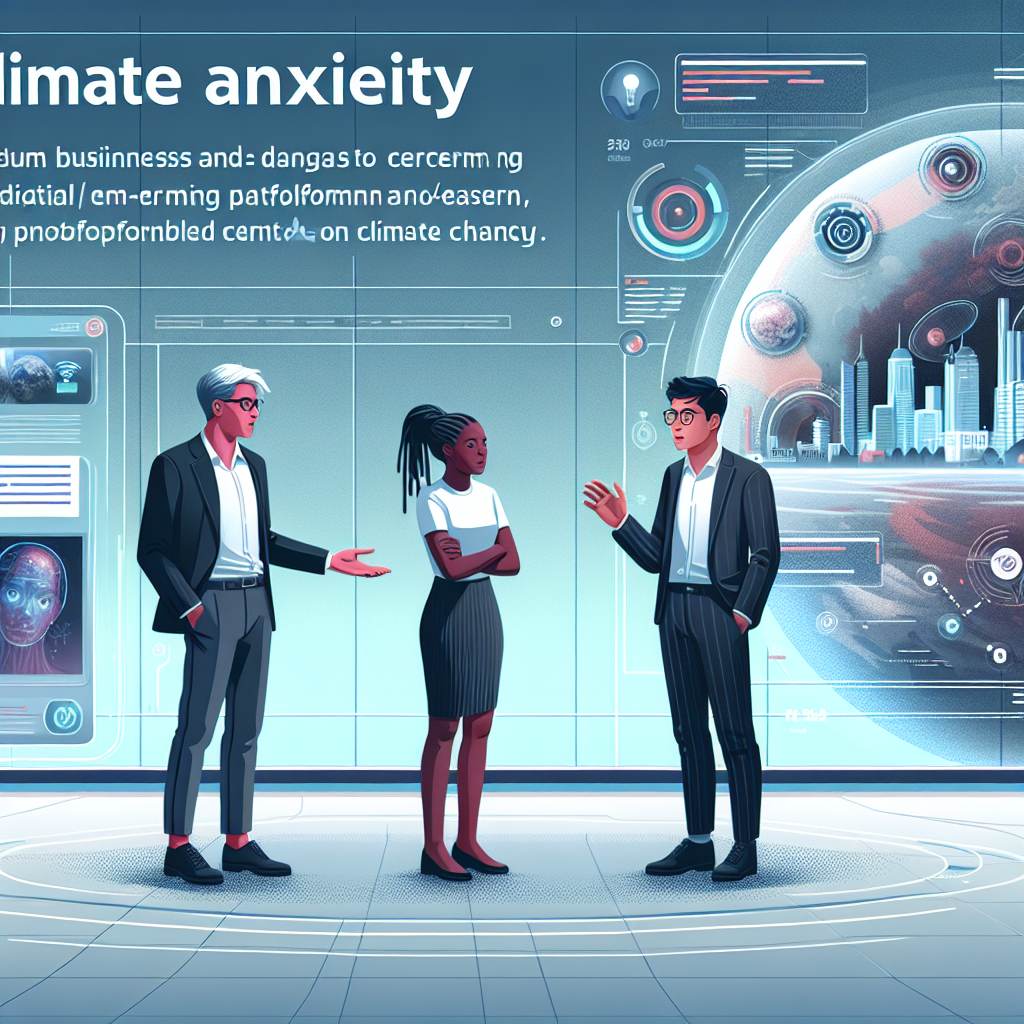
In a stunning display of financial bravado, GreenMinds, a startup specializing in climate anxiety care solutions, has secured $50 million in seed funding from a consortium of global investors. This eclectic group, which includes the newly formed Green Venture Fund, has the audacity to believe that addressing climate-related mental health issues could be the next billion-dollar industry—one that possibly rivals avocado toast.
How Low-Power Bio-Sensors Are Changing the Game
Utilizing cutting-edge low-power bio-sensors, GreenMinds claims to be at the forefront of a revolution in mental health technology. The company’s platform is designed to monitor users’ physiological responses to climate-related stressors, providing real-time analysis and tailored coping strategies. As if your smartwatch wasn't intrusive enough, now it can also remind you to breathe deeply while you ponder the state of the polar ice caps.
The Numbers Behind the Hype
According to market analysts, the mental health technology sector is projected to grow by 25% annually, reaching over $10 billion by 2028. Climate anxiety, a term that has gained traction in recent years, is estimated to affect 70% of the population, leading to an unprecedented demand for innovative solutions. GreenMinds aims to capitalize on this growing trend, much like a tech-savvy pirate seizing the opportunity in uncharted waters.
Quotes from the Frontlines
“We are not just selling a product; we are creating a movement,” said Mark O’Donnell, CEO of GreenMinds. “Imagine a world where your anxiety about climate change can be quantified and addressed with the same fervor as your daily caffeine intake.”
Investor Clara Wong of Green Venture Fund chimed in, stating, “This platform is not just another wellness app; it’s a necessary tool for the modern age, akin to an emotional Swiss Army knife for climate-conscious individuals.”
Risks and Skepticism
However, not everyone is convinced that GreenMinds is more than a clever marketing ploy. Critics argue that the startup may be overestimating the urgency of climate anxiety, with some experts suggesting that people might prefer to ignore their existential dread rather than have it quantified by a bio-sensor.
Dr. Lena Hart, a psychologist specializing in climate-related stress, warns, “While the concept is intriguing, relying on bio-sensors could trivialize genuine mental health concerns. It’s one thing to track your heart rate, but another to commodify your despair.”
Opposing Viewpoints and Market Constraints
Additionally, the low-power bio-sensor industry is not without its challenges. Competition is heating up, with numerous startups vying for a slice of the mental health technology pie. And while the financial backing is impressive, the question remains: can GreenMinds differentiate itself in an increasingly crowded market?
Moreover, as the climate crisis continues to escalate, the mental health implications could become a double-edged sword. Will users embrace a technology that holds them accountable for their feelings about climate change, or will they simply unplug?
A Conclusion Wrapped in Irony
As the world grapples with an unprecedented climate crisis, the rise of GreenMinds exemplifies a curious intersection of technology, investment, and the human psyche. Whether this startup emerges as a beacon of hope or a cautionary tale of overreach remains to be seen. One thing is certain: if nothing else, it will provide ample material for future stand-up comedians.
- Investment secured: $50 million
- Projected market growth: 25% annually
- Affected demographic: 70% of the population
What's Your Reaction?
 Like
0
Like
0
 Dislike
0
Dislike
0
 Love
0
Love
0
 Funny
0
Funny
0
 Angry
0
Angry
0
 Sad
0
Sad
0
 Wow
0
Wow
0