
Investment Plunge: $30 Million to Export K-Pop Memes via Smart Grid AI – Are We Even Serious?
By StartupKorea Business Desk | Mar 02, 2026 The Great Meme Export: Where K-Pop Meets AI and a $30 Million BetIn a move that has left investors and analysts alike scratching their heads, the South Korean startup Memeverse has announced a st...

By StartupKorea Business Desk | Mar 02, 2026
The Great Meme Export: Where K-Pop Meets AI and a $30 Million Bet
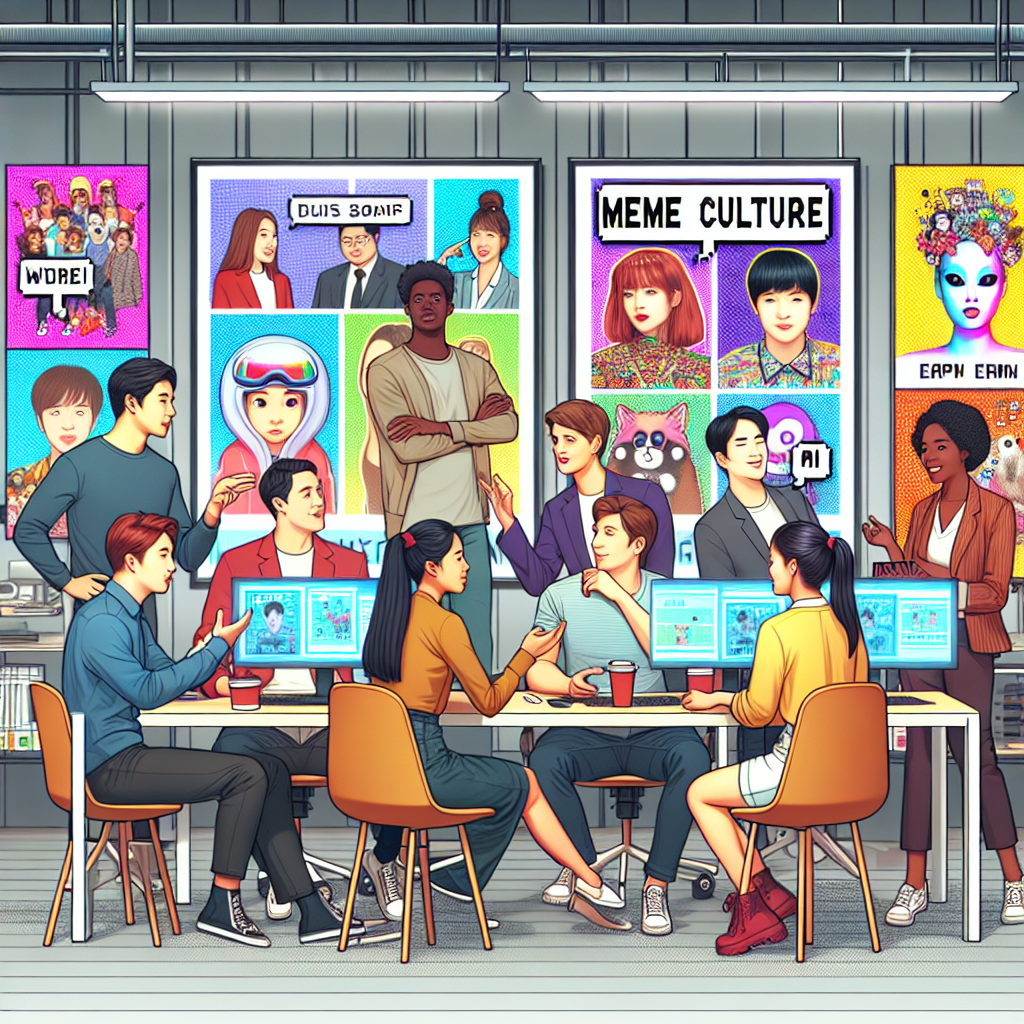
In a move that has left investors and analysts alike scratching their heads, the South Korean startup Memeverse has announced a staggering $30 million investment to launch a platform dedicated to the export of K-Pop memes, powered by its groundbreaking smart grid predictive AI. This unusual marriage of cultural phenomena and advanced technology may just be the 21st-century business model we've been waiting for—if only anyone could figure out exactly what that model entails.
Why Now? The Meme Economy is Hot
The timing of this investment is certainly curious. With the global demand for K-Pop content skyrocketing, thanks largely to the continued success of BTS and BLACKPINK, Memeverse claims that memes are the next frontier. "Memes are the digital currency of our age," says CEO Yoo Jin. "And when paired with smart grid AI, we can predict which memes will go viral in real-time, ensuring our investors are always one hashtag ahead!"
Market analysts project that the meme economy could reach up to $4 billion by 2027 as brands scramble to harness the power of K-Pop culture. However, one has to wonder whether chasing fleeting trends is a prudent investment strategy—or simply a delightful exercise in futility.
The Risks of Meme-tastic Ventures
Despite the promise of lofty returns, the inherent risks in exporting K-Pop memes are glaringly apparent. For one, memes have an average lifespan shorter than that of a mayfly. An unexpected crisis—be it a celebrity scandal or a copyright infringement lawsuit—could obliterate the entire business model before the first meme even finds its way to a foreign audience.
"I worry that Memeverse is putting the cart before the horse," warns financial analyst Kim Soo. "Investing in ephemeral content is like pouring money into a well and waiting for it to rain memes. We need a more sustainable approach to digital exports."
Smart Grid AI: The Icing on the Meme Cake
Adding to the peculiar nature of this venture is Memeverse's reliance on smart grid predictive AI to determine the meme market's pulse. With promises of real-time data analysis and audience engagement predictions, one can't help but wonder if AI can truly understand the whims of internet humor. Just because it can analyze data doesn't mean it can predict what will tickle our funny bone.
"We’ve harnessed AI to analyze millions of meme interactions and predict trends," Jin insists. "It will revolutionize how memes are created and distributed!" But as history has shown us, artificial intelligence is often baffled by the whims of cultural trends, leading one to ponder whether this is cutting-edge technology or simply cutting-edge absurdity.
Investors Flock—But Should They?
Despite the cynicism, venture capitalists are lining up to invest in Memeverse, with early backers claiming that the startup represents a technological renaissance in the digital export sector. "The convergence of AI and cultural trends is a goldmine waiting to be uncovered," says optimistic investor Hong Jae. "We are boldly diving into the meme economy, and I, for one, can’t wait to see the returns!"
While the enthusiasm is palpable, there's a nagging feeling that this could be a case of meme fever overtaking sound investment practices. As the digital landscape continues to evolve, the distinction between sustainable innovation and a mirage becomes increasingly blurred.
What Lies Ahead for Memeverse?
As Memeverse prepares to launch its meme export platform, the startup is also contending with scrutiny over the sustainability of its business model. With competitors already vying for a slice of the meme pie, the market could soon become saturated—with fleeting trends and oversaturated content.
Ultimately, as we watch Memeverse embark on this ambitious journey, the question remains: are we witnessing a groundbreaking leap for the meme economy, or a whimsical folly destined to become a cautionary tale in the annals of startup history?
Conclusion: The Future is Memes, or Is It?
The intersection of K-Pop memes and AI is certainly intriguing. But as the excitement mounts over this $30 million investment, industry watchers are left to ponder whether Memeverse will turn out to be the meme’s savior or its greatest tragedy. With a future as unpredictable as the memes they aim to export, the answer may just lie in the hands of a well-placed hashtag or an AI algorithm that finally gets the joke.
What's Your Reaction?
 Like
0
Like
0
 Dislike
0
Dislike
0
 Love
0
Love
0
 Funny
0
Funny
0
 Angry
0
Angry
0
 Sad
0
Sad
0
 Wow
0
Wow
0