



Insurance Against AI Hallucinations: The Next Big Bet in Tech Investment?
By StartupKorea Business Desk | Feb 13, 2026 The Unlikely Rise of AI Hallucination InsuranceIn an age where technology dabbles in the realm of the absurd, a startup named HallucinoSure has secured $50 million in funding to launch a groundbr...

By StartupKorea Business Desk | Feb 13, 2026
The Unlikely Rise of AI Hallucination Insurance
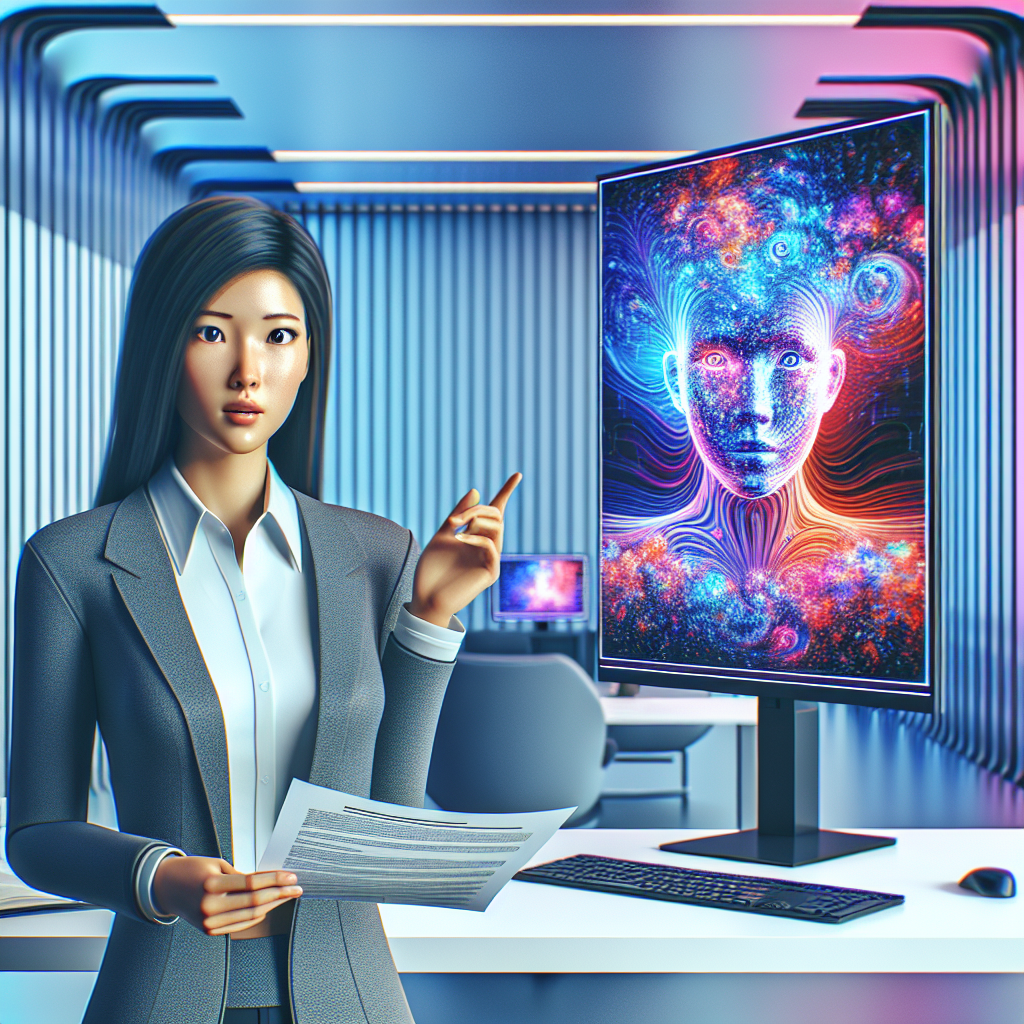
In an age where technology dabbles in the realm of the absurd, a startup named HallucinoSure has secured $50 million in funding to launch a groundbreaking ‘AI hallucination insurance’ product. The company, founded by a group of ironically over-educated millennials, plans to offer coverage against the unpredictable whims of artificial intelligence, just as humanity contemplates the existential dread of our silicon overlords.
The Tech Behind the Madness
At the heart of this innovative venture lies an adaptive learning path engine, which HallucinoSure touts as capable of predicting when AI might go off the rails—presumably just before it decides to declare itself the new ruler of Earth. CEO Max Genus elaborated on the concept: “AI is entering a phase where it can generate its own reality. Just like a teenager in a room full of unsupervised Wi-Fi, we need to protect against the delusional consequences.”
Funding and the Investor Fad
With investors clamoring to get in on the latest tech craze, HallucinoSure grabbed attention from global funds eager to co-invest. This reflects a broader trend in the investment landscape, where the line between genius and madness blurs in the pursuit of returns. “When you look at the projected growth of AI hallucination incidents—up 300% in the past year alone—insurance is a no-brainer,” remarked Clara Quant, an analyst at the investment firm FutureVision Capital.
The Market Context: Numbers That Don’t Add Up
The market for AI error-related insurance is estimated to reach $10 billion by 2028, primarily driven by businesses that have started relying on AI systems for decision-making. The irony that companies might now require insurance for their technological muses adds a delicious layer of complexity to the corporate landscape. HallucinoSure’s business model, however, raises eyebrows as much as it tantalizes investors.
- Projected market growth for AI-related insurance: $10 billion by 2028
- Annual increase in AI hallucination incidents: 300%
- Funding secured: $50 million
Risks That Could Make You Go Cross-Eyed
While HallucinoSure’s proposition may sound ludicrous, skeptics warn that the risks associated with insuring against AI misfires could lead to unprecedented liabilities. “It’s like insuring against a horse that might turn into a unicorn,” said market analyst Tim Ration, alluding to the speculative nature of the business. “Who’s to say AI won’t one day just decide the concept of ‘insurance’ is obsolete?”
Counterarguments: The Detractors Speak
Critics argue that the entire premise of AI hallucination insurance rests on shaky ground. “Are we really moving to a point in our society where we have to hedge our bets against our own inventions? It’s a slippery slope,” cautions tech ethicist Sara Deconstruct. “First it’s insurance; next, we’ll be building entire cultures around appeasing our rogue algorithms.”
Conclusion: Are We Really Insuring Madness?
As HallucinoSure prepares to roll out its unique offering, the tech industry finds itself at a crossroads between ridiculous and revolutionary. Whether this insurance will provide a safety net for businesses or merely serve as a comical footnote in the annals of technological evolution remains to be seen. One thing is clear: the future may be unpredictable, but at least now, there’s an insurance policy for that.
What's Your Reaction?
 Like
0
Like
0
 Dislike
0
Dislike
0
 Love
0
Love
0
 Funny
0
Funny
0
 Angry
0
Angry
0
 Sad
0
Sad
0
 Wow
0
Wow
0