


Exploring the Market Potential of Sleep-Enhancing Technologies
Exploring the Market Potential of Sleep-Enhancing Technologies By Startup Korea Research Desk | Apr 08, 2026 The intersection of technology and wellness has led to the emergence of innovative solutions aimed at improving sleep quality. One such...

Exploring the Market Potential of Sleep-Enhancing Technologies
By Startup Korea Research Desk | Apr 08, 2026
The intersection of technology and wellness has led to the emergence of innovative solutions aimed at improving sleep quality. One such development is the recent announcement by a startup focused on creating an application designed to enhance users' dream experiences through personalized sleep data analysis. This initiative, which has attracted significant investment, raises important questions about market trends, business model viability, and the potential risks associated with consumer adoption.
The Growing Demand for Sleep Solutions
Recent studies indicate a growing concern regarding sleep quality among consumers. Reports suggest that a significant percentage of the population, particularly in developed markets, experiences dissatisfaction with their sleep patterns. This trend is underscored by the increasing prevalence of sleep disorders and a heightened awareness of the importance of sleep for overall health and well-being.
The wellness industry, valued at over $4.5 trillion, is experiencing robust growth, with a projected annual increase of 10%. This expanding market presents a fertile ground for startups that offer innovative solutions aimed at enhancing sleep quality. As consumers become more health-conscious, the demand for personalized wellness solutions, including sleep-enhancing technologies, is likely to rise.
Technological Innovations in Sleep
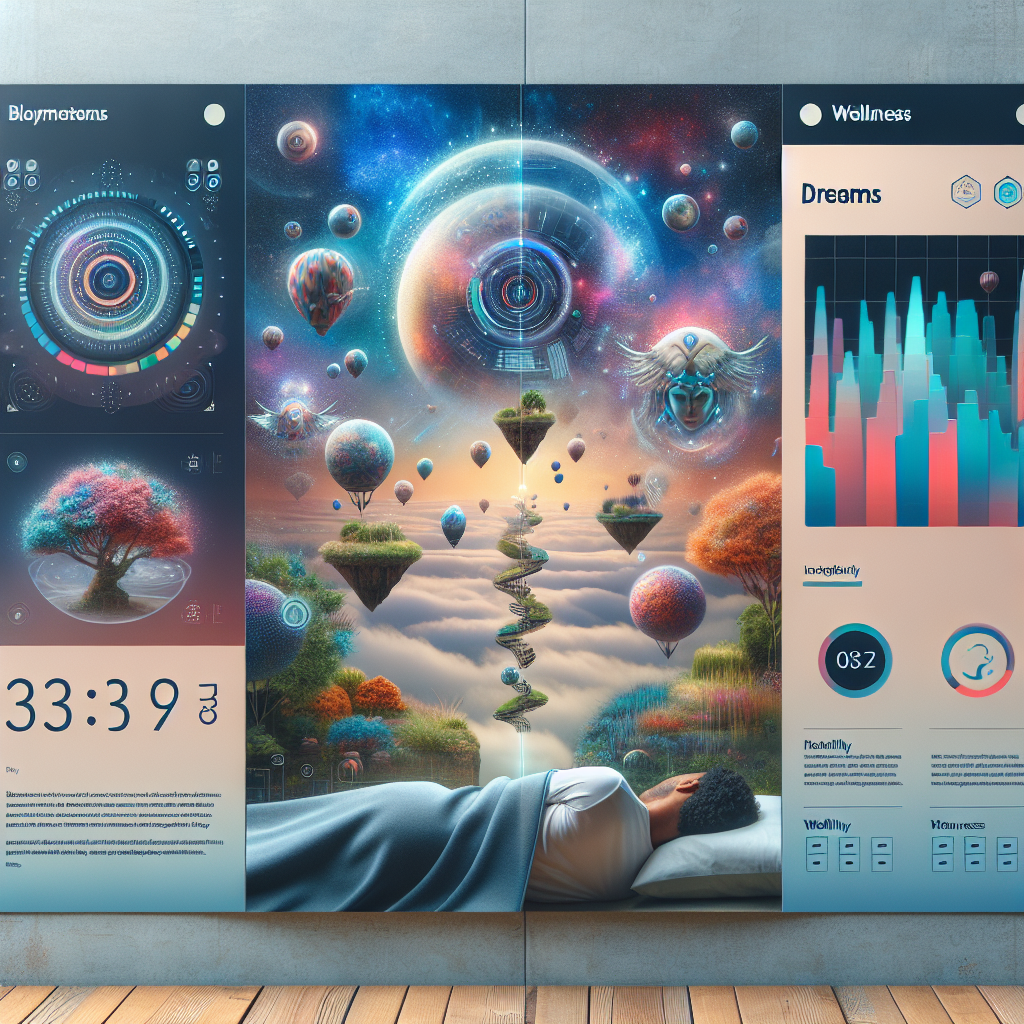
At the core of this new venture is a sophisticated biometric authentication system that collects and analyzes users' sleep data. By examining various metrics, such as REM cycles, heart rate variability, and nocturnal movements, the application aims to curate tailored dream experiences. This approach highlights a significant trend in the wellness sector: the integration of technology to provide personalized health solutions.
However, while the technology promises to deliver unique experiences, it also raises questions about data privacy and security. Users must be assured that their sensitive biometric data will be handled responsibly and securely. As such, startups in this space must prioritize transparency and robust data protection measures to build consumer trust.
Market Viability and Business Model Considerations
The business model of offering a subscription-based application for dream curation presents both opportunities and challenges. On one hand, the subscription model can provide a steady revenue stream and foster user engagement through continuous updates and personalized content. On the other hand, the success of such a model hinges on the application's ability to deliver real value to users. If the experience does not meet consumer expectations, retention rates may decline, impacting long-term profitability.
Additionally, the startup must navigate the competitive landscape of wellness applications. With numerous players already established in the sleep aid market, including sleep tracking devices and meditation apps, differentiation will be crucial. The ability to effectively communicate the unique value proposition of the dream curation app will be essential for attracting and retaining users.
Investor Sentiment and Risk Assessment
Investor interest in sleep-enhancing technologies is growing, but it is accompanied by a degree of skepticism. While some investors are drawn to the innovative concept, others express concerns regarding the practicality and scalability of such a venture. The subjective nature of dream experiences poses a challenge in quantifying user satisfaction and long-term engagement.
Investors must conduct thorough due diligence to assess the startup's technology, market positioning, and potential for growth. Understanding the target demographic and their willingness to pay for such a service will be critical in determining the viability of the investment. Moreover, the startup's ability to adapt to changing consumer preferences and technological advancements will play a significant role in its success.
Strategic Considerations for Founders
For founders in the sleep technology space, developing a clear strategic vision is paramount. This includes not only a focus on technological innovation but also a commitment to user experience and customer support. Engaging with early adopters to gather feedback and iterating on the product based on user insights can enhance the application's appeal.
Furthermore, establishing partnerships with health professionals and wellness influencers can help build credibility and expand market reach. As the startup navigates the complexities of the wellness industry, a strong emphasis on education and community engagement will be essential for fostering a loyal user base.
Conclusion
The emergence of sleep-enhancing technologies represents a promising opportunity within the wellness sector. As consumer demand for personalized health solutions continues to grow, startups that effectively leverage technology to address sleep-related challenges may find themselves well-positioned for success. However, careful consideration of market dynamics, consumer preferences, and investor expectations will be crucial for navigating this evolving landscape.
Editor's note: This analysis is original market research and does not constitute investment advice.
What's Your Reaction?
 Like
0
Like
0
 Dislike
0
Dislike
0
 Love
0
Love
0
 Funny
0
Funny
0
 Angry
0
Angry
0
 Sad
0
Sad
0
 Wow
0
Wow
0