

Exploring the Intersection of Technology Debt and Autonomous Farming: Market Trends and Investment Opportunities
By Startup Korea Research Desk | May 16, 2026 The agricultural sector is undergoing a significant transformation, driven by advancements in technology and the increasing adoption of autonomous systems. As farmers seek to enhance productivity and...

By Startup Korea Research Desk | May 16, 2026
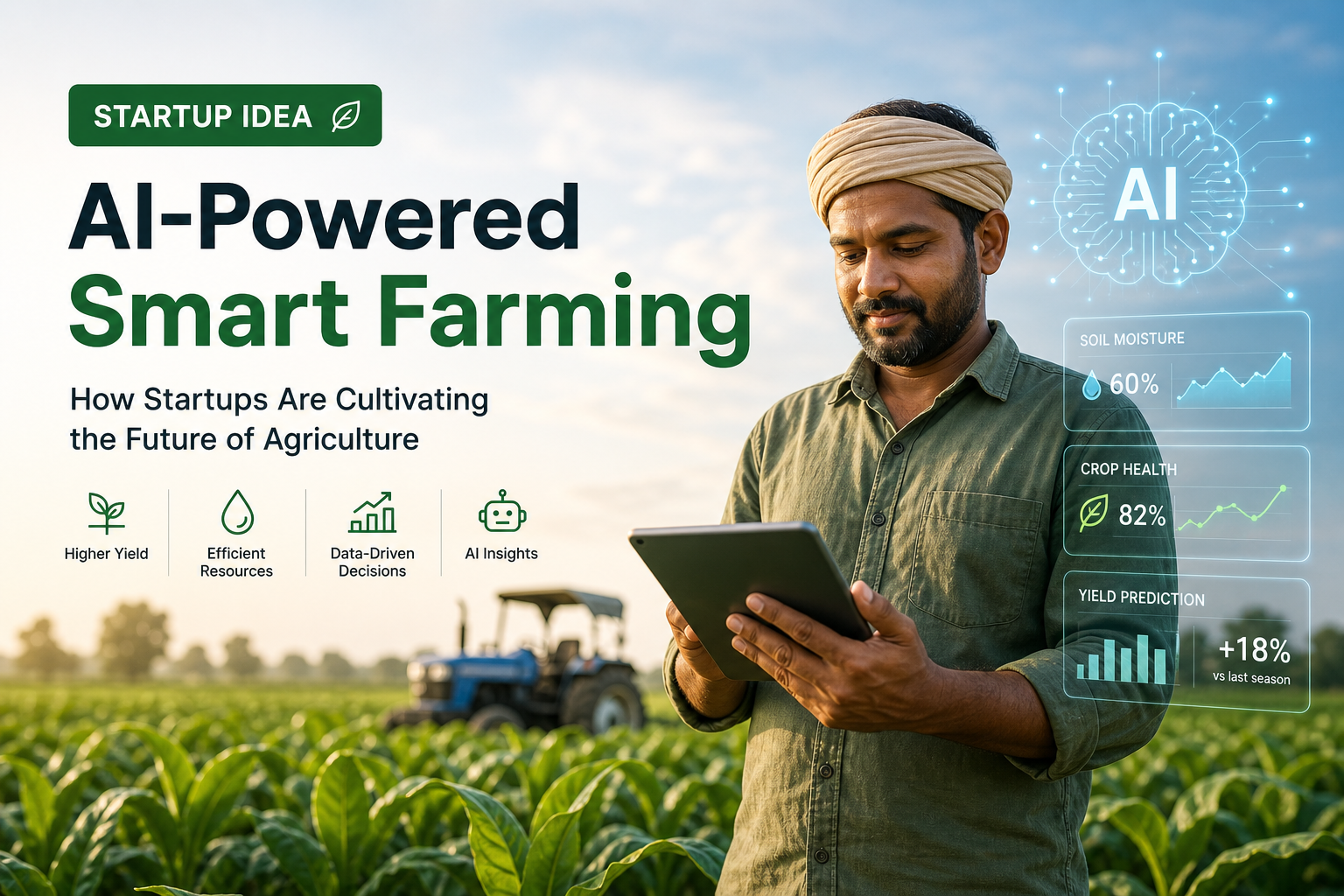
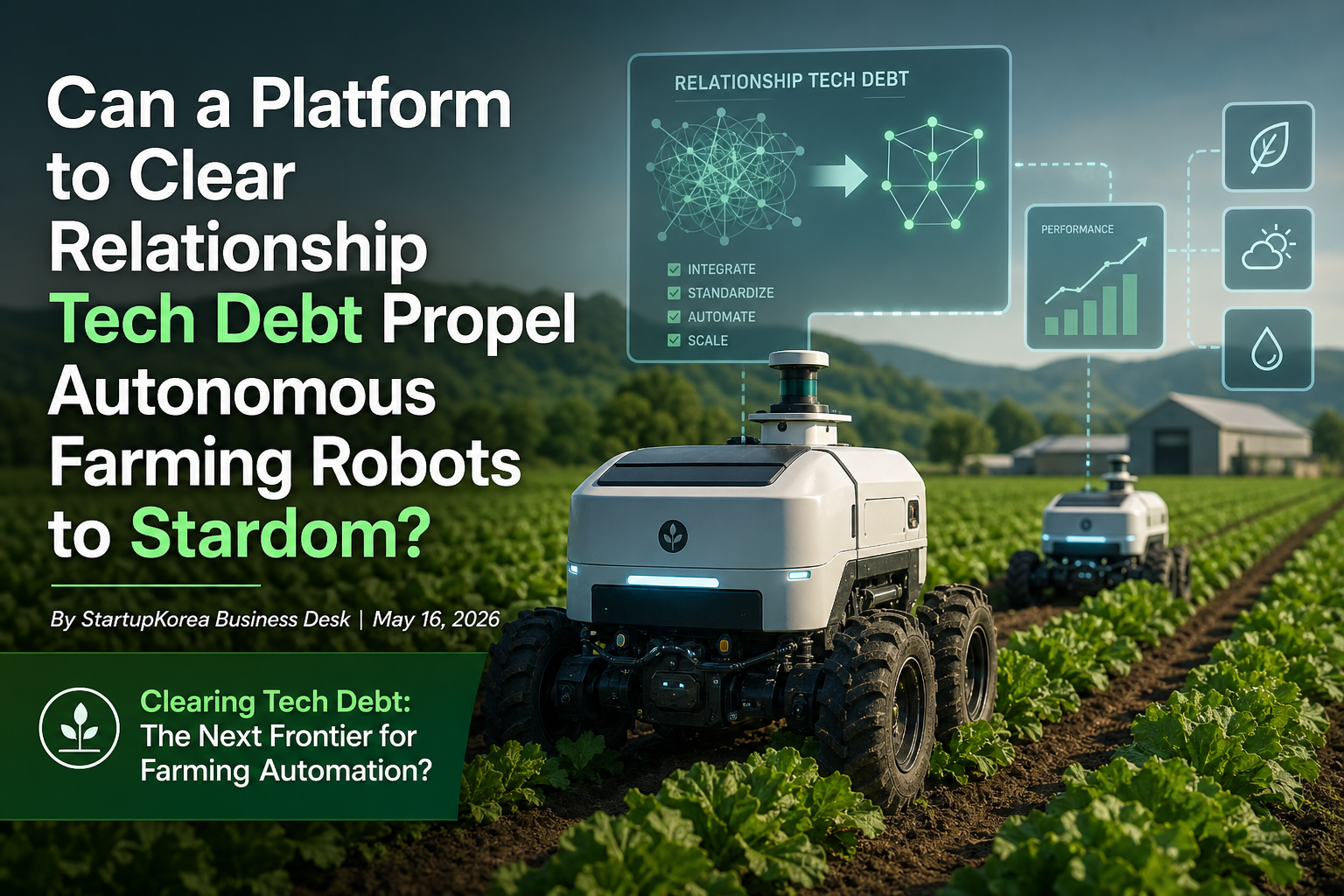
The agricultural sector is undergoing a significant transformation, driven by advancements in technology and the increasing adoption of autonomous systems. As farmers seek to enhance productivity and efficiency, the concept of technology debt—often discussed in software development—has emerged as a critical factor influencing the integration of autonomous farming solutions.
The Concept of Technology Debt in Agriculture
Technology debt refers to the accumulated challenges and inefficiencies that arise when systems are not optimally integrated or when outdated technologies hinder progress. In the context of agriculture, this can manifest as a disconnect between traditional farming practices and the adoption of modern, automated solutions. As farmers increasingly rely on autonomous machinery, the need to address this technology debt becomes paramount.
Market Dynamics: The Rise of Autonomous Farming
Recent data indicates that the autonomous farming market has experienced substantial growth, with an estimated increase of 30% over the past year. This surge can be attributed to several factors, including advancements in artificial intelligence, robotics, and a growing demand for sustainable farming practices. Industry forecasts suggest that the global market for autonomous farming technologies could reach $100 billion by 2028, attracting interest from various investors, including sovereign funds.
Investment Landscape: Opportunities and Challenges
The current investment climate appears favorable for companies innovating in the agricultural technology sector. Investors are increasingly looking for opportunities that promise high returns with relatively low risks. However, the complexities associated with technology debt present challenges that require careful consideration.
- Potential for High Returns: The integration of autonomous systems in agriculture can lead to significant efficiency gains, reducing labor costs and increasing crop yields.
- Investor Diligence: Investors must conduct thorough due diligence to assess the viability of technologies and the ability of startups to effectively address technology debt.
- Market Skepticism: Despite the potential, some experts caution against overestimating the readiness of farmers to adopt new technologies, particularly if they feel disconnected from the machines they are expected to operate.
Strategies for Founders: Bridging the Gap
For startups aiming to succeed in this evolving landscape, developing a clear strategy to bridge the gap between technology and user experience is essential. Founders should focus on the following:
- User-Centric Design: Solutions should prioritize ease of use and emotional engagement, ensuring that farmers feel comfortable and connected to the technology.
- Education and Training: Providing comprehensive training programs can help mitigate resistance to change and enhance the adoption of autonomous systems.
- Partnerships: Collaborating with established agricultural organizations can provide valuable insights and facilitate smoother integration of new technologies.
Conclusion: Navigating the Future of Farming
The intersection of technology debt and autonomous farming presents both opportunities and challenges. As the market continues to evolve, stakeholders must remain vigilant in addressing the complexities associated with integrating new technologies into traditional farming practices. By focusing on user experience and fostering strong relationships between farmers and technology, the agricultural sector can navigate this transformative period effectively.
Editor's note: This is original market analysis and not investment advice.
What's Your Reaction?
 Like
0
Like
0
 Dislike
0
Dislike
0
 Love
0
Love
0
 Funny
0
Funny
0
 Angry
0
Angry
0
 Sad
0
Sad
0
 Wow
0
Wow
0