

Exploring the Intersection of AI and Culinary Tradition: Market Insights on Food Technology Startups
Exploring the Intersection of AI and Culinary Tradition: Market Insights on Food Technology Startups By Startup Korea Research Desk | Apr 30, 2026 As artificial intelligence (AI) continues to permeate various sectors, the food technology industr...

Exploring the Intersection of AI and Culinary Tradition: Market Insights on Food Technology Startups
By Startup Korea Research Desk | Apr 30, 2026
As artificial intelligence (AI) continues to permeate various sectors, the food technology industry is witnessing a notable transformation. Startups are increasingly leveraging AI to innovate traditional culinary practices, aiming to enhance consumer experiences while preserving cultural heritage. This analysis delves into the current trends within this niche market, examining the business models, potential risks, and investor considerations surrounding AI-driven food technology.
The Emergence of AI in Food Technology
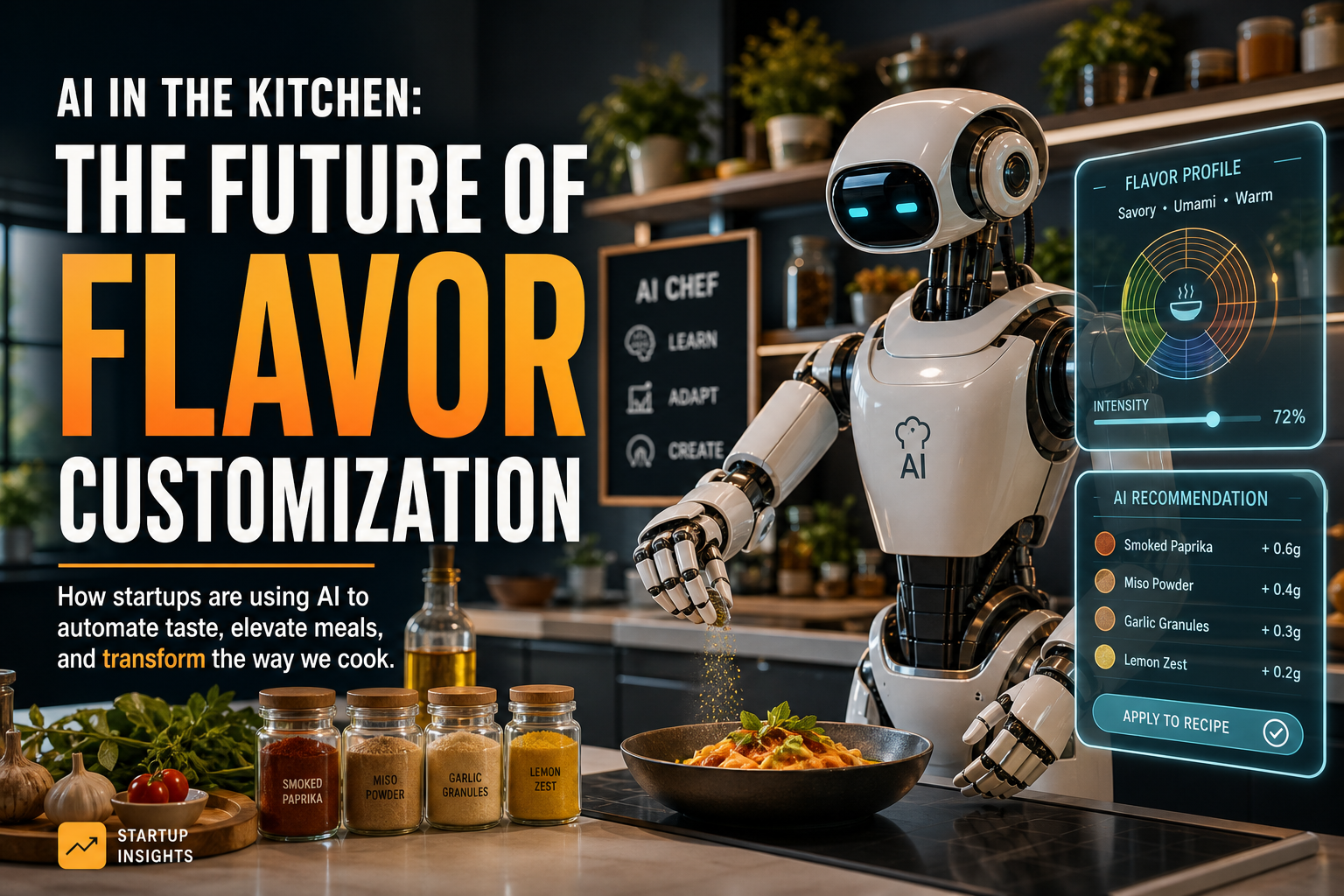
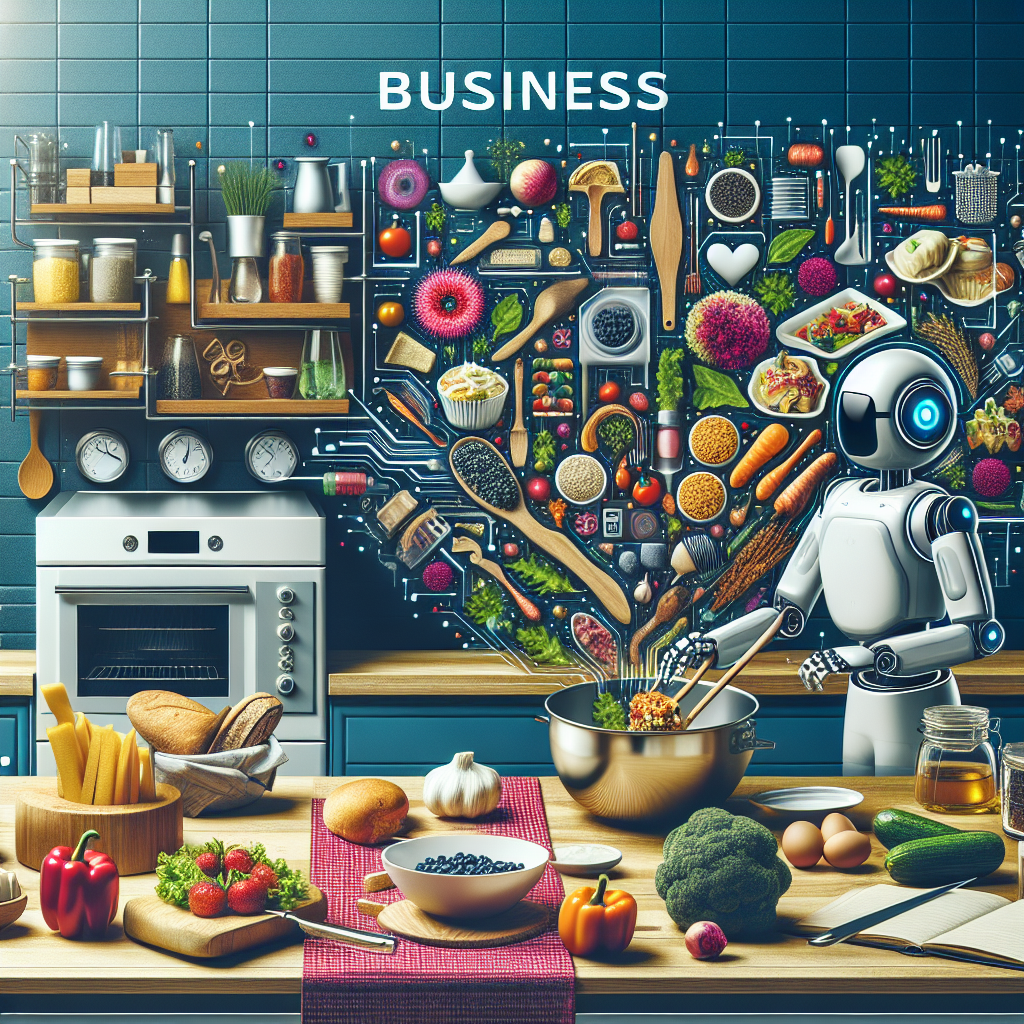
The integration of AI into food technology represents a significant shift in how culinary experiences are created and consumed. Startups are developing platforms that utilize machine learning algorithms to replicate traditional cooking methods, often drawing inspiration from familial recipes. This approach not only appeals to nostalgia but also addresses contemporary consumer demands for convenience and personalization.
Market Potential and Growth Projections
According to industry forecasts, the global food technology market is projected to reach approximately $342 billion by 2028. This growth is largely attributed to the increasing adoption of AI solutions, which are expected to streamline food preparation processes, enhance flavor profiles, and reduce waste. Startups that successfully navigate this landscape stand to capture significant market share, particularly those that can effectively blend technology with cultural authenticity.
Innovative Business Models
AI-driven food technology startups are exploring various business models to monetize their offerings. Some key strategies include:
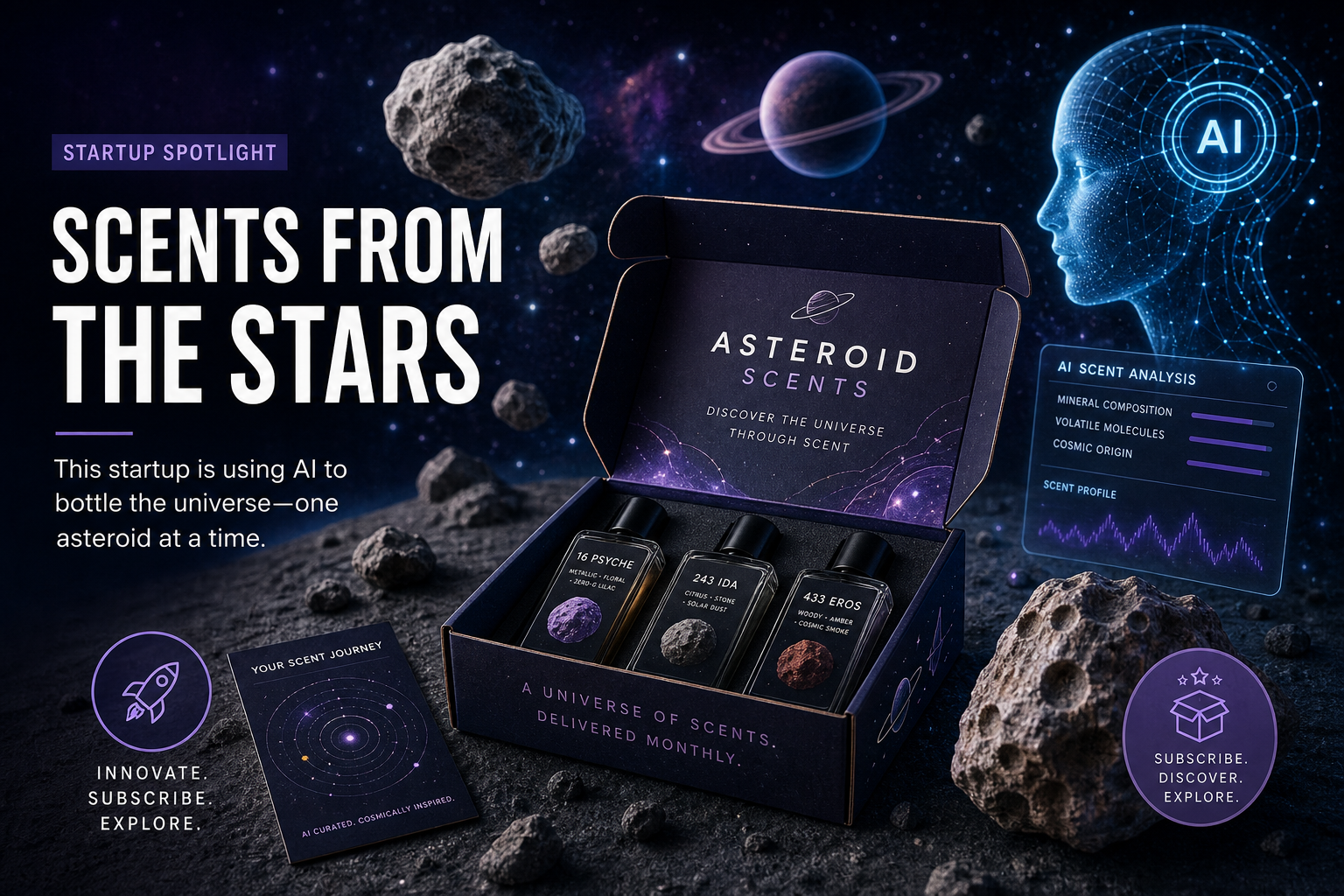
- Subscription Services: Startups may offer subscription-based meal kits that leverage AI to customize recipes based on user preferences, dietary restrictions, and seasonal ingredients.
- Partnerships with Restaurants: Collaborating with established restaurants allows startups to test their AI solutions in real-world settings, providing valuable feedback and enhancing credibility.
- Direct-to-Consumer Sales: By selling proprietary cooking devices or AI applications directly to consumers, startups can create a loyal customer base while maintaining control over their brand narrative.
Investor Sentiment and Funding Landscape
The enthusiasm among investors for AI-driven food technology is palpable, as evidenced by recent funding rounds that have attracted substantial capital. Investors are increasingly recognizing the potential for these startups to disrupt traditional culinary practices while addressing modern consumer needs. However, due diligence is essential, as the novelty of these concepts may not guarantee long-term success.
Challenges and Adoption Risks
Despite the promising outlook, AI-driven food technology startups face several challenges that could impede their growth:
- Consumer Acceptance: While the idea of AI replicating traditional cooking may resonate with some, others may remain skeptical about the authenticity and emotional connection associated with home-cooked meals.
- Technical Limitations: The ability of AI to accurately replicate complex flavors and cooking techniques remains a significant hurdle. Startups must invest in robust algorithms and extensive testing to ensure quality.
- Regulatory Considerations: As food technology evolves, startups must navigate a complex regulatory landscape that governs food safety and labeling, which can vary significantly by region.
Strategic Considerations for Founders
For founders in the food technology space, developing a clear strategy is paramount. Key considerations include:
- Balancing Innovation with Tradition: Startups should strive to honor culinary traditions while integrating innovative technologies that enhance the consumer experience.
- Building Partnerships: Collaborating with culinary experts, food scientists, and technology developers can provide valuable insights and enhance product offerings.
- Focusing on User Experience: Creating a seamless and enjoyable user experience is crucial for consumer adoption. Startups must prioritize user-friendly interfaces and responsive customer support.
Conclusion
The intersection of AI and culinary tradition presents a unique opportunity for startups to innovate within the food technology sector. As the market continues to evolve, those that successfully navigate the complexities of consumer preferences, technical challenges, and regulatory requirements will be well-positioned for success. Investors should remain vigilant, conducting thorough due diligence to identify startups with robust business models and a clear path to market adoption.
Editor's note: This analysis is original market research and does not constitute investment advice.
What's Your Reaction?
 Like
0
Like
0
 Dislike
0
Dislike
0
 Love
0
Love
0
 Funny
0
Funny
0
 Angry
0
Angry
0
 Sad
0
Sad
0
 Wow
0
Wow
0