

Emotional AI: Analyzing the Market Potential and Challenges Ahead
Emotional AI: Analyzing the Market Potential and Challenges Ahead By Startup Korea Research Desk | May 17, 2026 The field of Emotional Artificial Intelligence (AI) is rapidly evolving, drawing significant attention from investors and technology...

Emotional AI: Analyzing the Market Potential and Challenges Ahead
By Startup Korea Research Desk | May 17, 2026
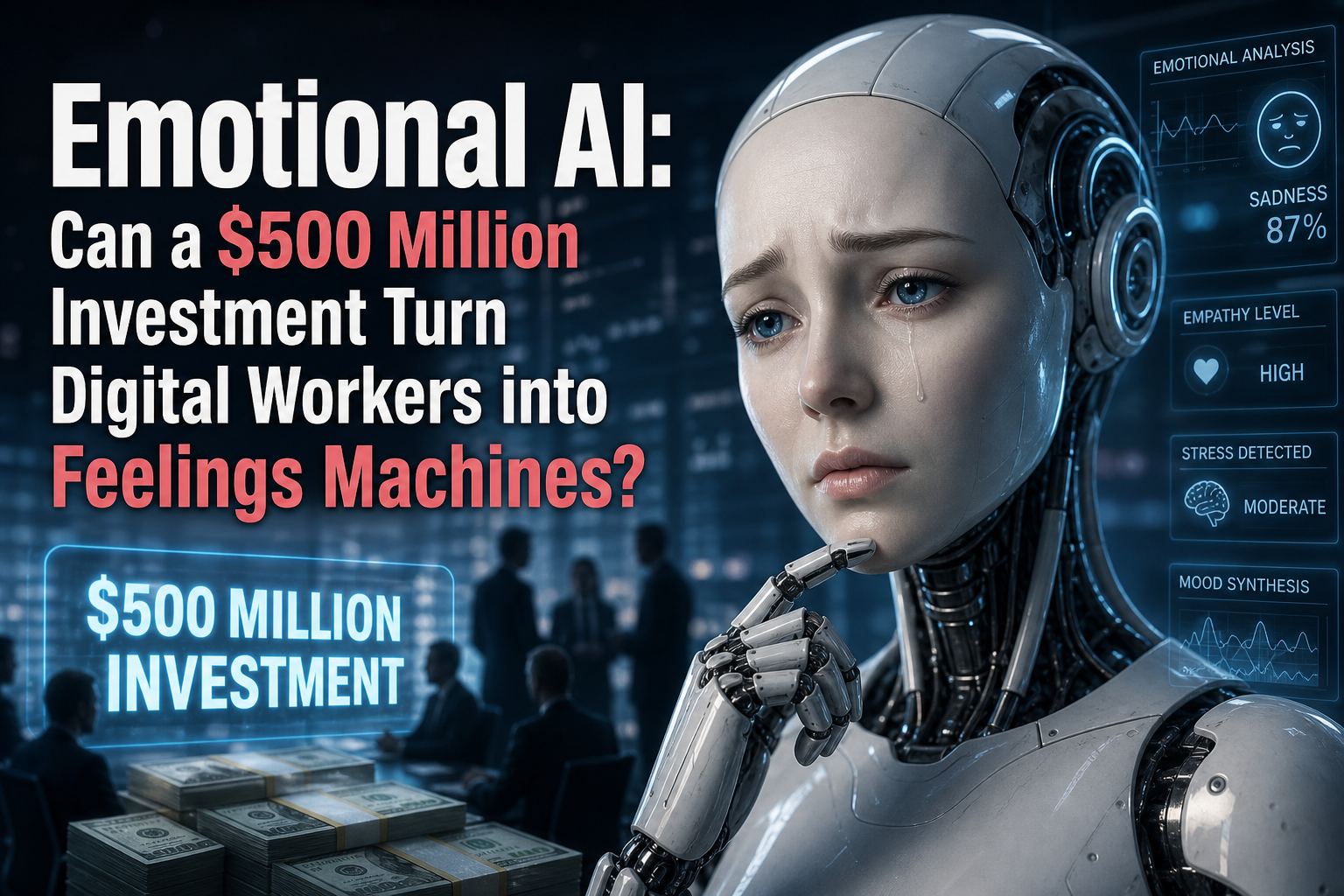
The field of Emotional Artificial Intelligence (AI) is rapidly evolving, drawing significant attention from investors and technology developers alike. With a projected market size of $61 billion by 2030 and a compound annual growth rate (CAGR) of 42.6%, the potential for growth in this sector is substantial. However, as startups like FeelBotics embark on ambitious projects, it is crucial to analyze the market dynamics, business models, and associated risks.
Market Context and Growth Potential
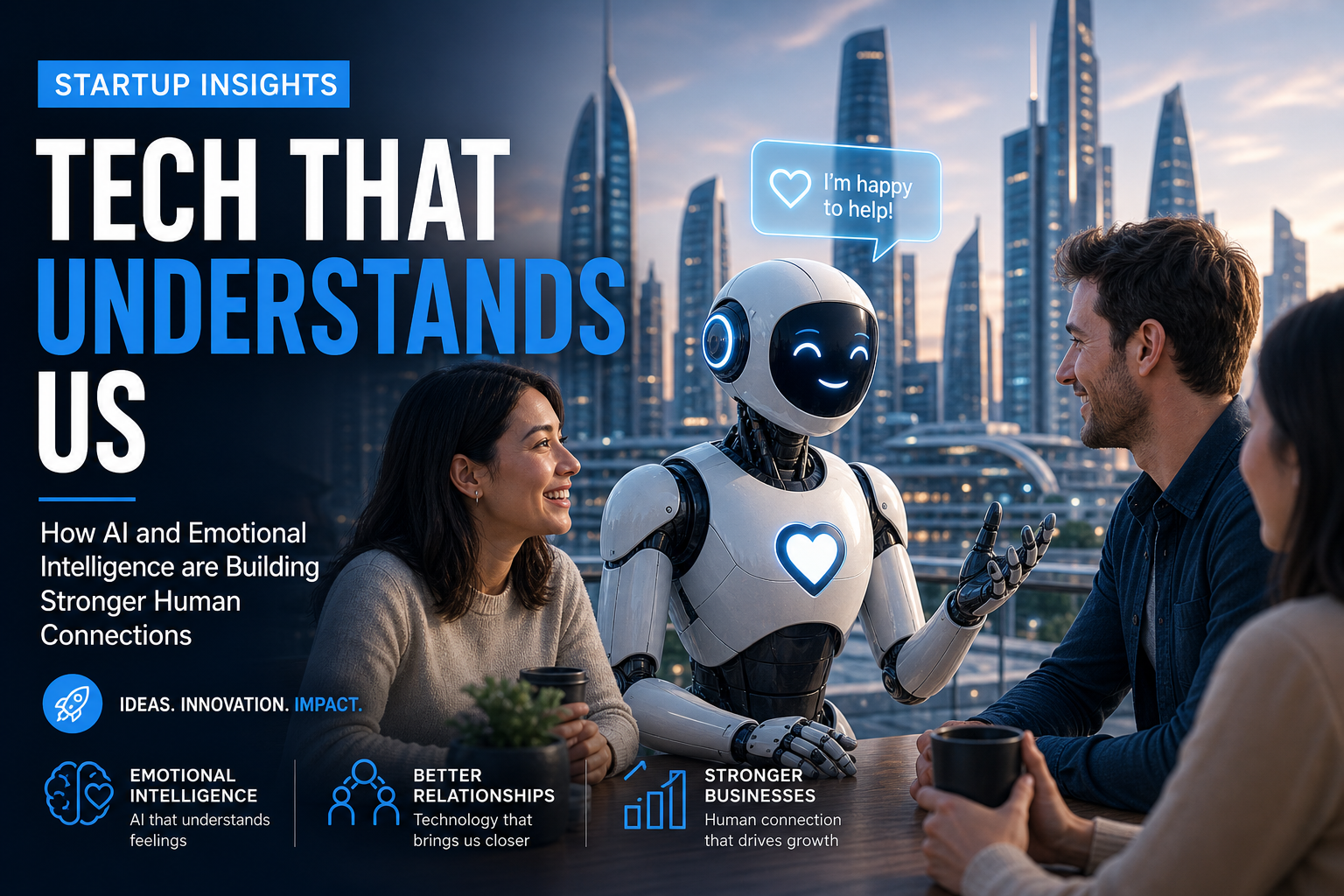
The emotional AI market is gaining traction as organizations increasingly recognize the value of integrating emotional intelligence into their operations. This technology aims to enhance human-computer interactions by enabling machines to understand and respond to human emotions. The implications for customer service, mental health applications, and workplace productivity are profound.
As companies strive to create more engaging user experiences, the demand for emotional AI solutions is expected to surge. FeelBotics, for instance, has attracted significant investment, securing $500 million in a Series A funding round to develop its emotional tone synthesis engine. This investment reflects a growing confidence in the potential of emotional AI to transform various sectors.
Business Model Quality and Competitive Landscape
FeelBotics and similar startups are entering a competitive landscape that includes established tech giants such as Google and IBM. These companies are also exploring emotional AI, albeit with varying degrees of commitment and product development. The challenge for startups lies not only in differentiating their offerings but also in demonstrating the practical applications of emotional AI.
The business models employed by these startups often revolve around software-as-a-service (SaaS) frameworks, where clients can integrate emotional AI capabilities into their existing systems. This approach allows for scalability and flexibility, catering to a wide range of industries from healthcare to retail.
- Customer Engagement: Emotional AI can enhance customer interactions by providing personalized responses based on emotional cues.
- Workplace Efficiency: By automating emotional responses, businesses can streamline operations and reduce the emotional burden on human employees.
- Healthcare Applications: Emotional AI has the potential to support mental health initiatives by offering empathetic interactions for users seeking assistance.
Adoption Risks and Challenges
Despite the promising outlook, the adoption of emotional AI is not without its challenges. One significant concern is the ethical implications of programming emotions into machines. Critics argue that simulating emotions could lead to a lack of genuine human connection, raising questions about the authenticity of interactions.
Moreover, there are technical challenges related to accurately interpreting and responding to human emotions. The complexity of human emotional expression makes it difficult for machines to achieve a level of understanding that is both reliable and nuanced. Industry analysts caution that without careful consideration, the deployment of emotional AI could result in unintended consequences.
Dr. Judith Thompson, an industry analyst, emphasizes the need for rigorous testing and ethical guidelines in the development of emotional AI technologies. She notes, "Injecting emotions into artificial systems could lead to unpredictable outcomes. We must ensure that these technologies are developed responsibly to avoid potential pitfalls." This highlights the importance of investor diligence when evaluating startups in this space.
Strategic Considerations for Founders
For founders in the emotional AI sector, a clear strategy is essential for navigating the complexities of the market. This includes understanding the competitive landscape, identifying target customer segments, and establishing partnerships that can enhance product offerings. Additionally, founders should prioritize transparency and ethical considerations in their development processes to build trust with users and stakeholders.
Engaging with potential customers early in the development process can provide valuable insights into their needs and preferences, allowing startups to tailor their products accordingly. Furthermore, fostering a culture of innovation within the organization can help attract top talent and drive continuous improvement.
Conclusion
The emotional AI market presents significant opportunities for growth and innovation. However, as startups like FeelBotics seek to capitalize on this potential, they must navigate a landscape filled with both promise and challenges. By focusing on ethical development, understanding market dynamics, and fostering strategic partnerships, founders can position their companies for success in this emerging field.
Editor's note: This is original market analysis and not investment advice.
What's Your Reaction?
 Like
0
Like
0
 Dislike
0
Dislike
0
 Love
0
Love
0
 Funny
0
Funny
0
 Angry
0
Angry
0
 Sad
0
Sad
0
 Wow
0
Wow
0