




Emerging Trends in Startup Equity Management: Addressing Founders' Concerns
By Startup Korea Research Desk | May 16, 2026 Understanding the Landscape of Startup Equity Management The startup ecosystem is characterized by rapid innovation and dynamic business models. However, one persistent challenge faced by founders an...


By Startup Korea Research Desk | May 16, 2026
Understanding the Landscape of Startup Equity Management
The startup ecosystem is characterized by rapid innovation and dynamic business models. However, one persistent challenge faced by founders and employees alike is the management of equity ownership and the associated emotional and financial implications. Recent trends indicate a growing demand for solutions that address these equity-related concerns, particularly in an environment where dissatisfaction with equity arrangements is prevalent.
The Rise of Equity Management Solutions
As the startup landscape evolves, so too do the tools and platforms designed to assist founders in navigating their equity stakes. A notable development in this space is the emergence of specialized platforms aimed at mitigating what has been termed 'equity regret.' This phenomenon refers to the feelings of dissatisfaction or anxiety that can arise from equity arrangements that do not meet founders' expectations or needs.
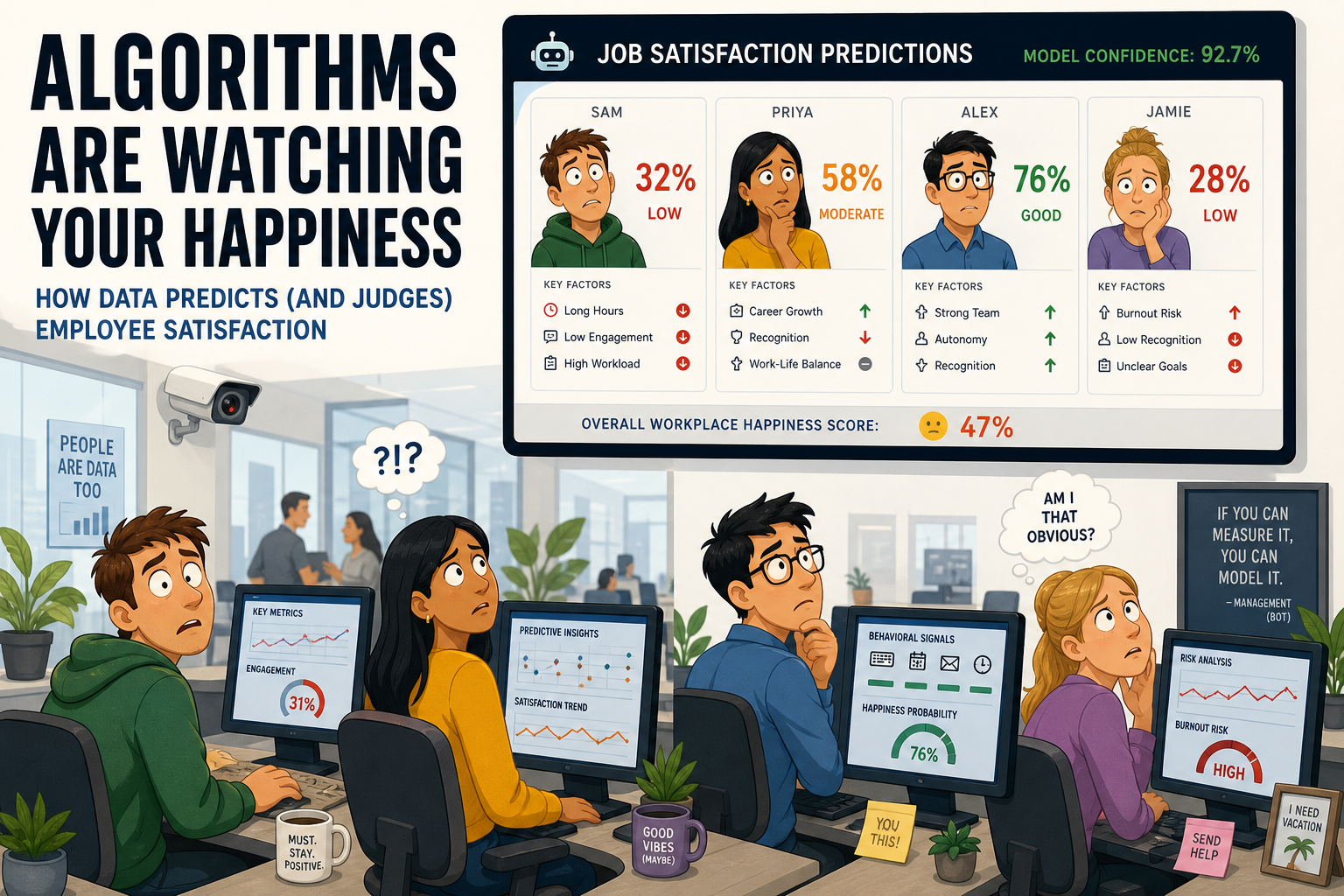
Recent data suggests that nearly 30% of founders express dissatisfaction with their equity arrangements. This statistic underscores a significant opportunity for startups that can provide effective solutions to address these concerns. By leveraging technology, such platforms aim to enhance transparency and provide predictive insights into equity performance, thereby empowering founders and employees to make informed decisions.
Technology and Innovation in Equity Management
Innovative technologies are at the forefront of these new equity management solutions. For instance, some platforms are utilizing advanced analytics and artificial intelligence to assess market trends and predict equity performance. By analyzing historical data and current market conditions, these tools can provide users with valuable insights into potential future outcomes.
However, the application of such technologies raises questions about their reliability and effectiveness. Investors and founders alike must consider whether these predictive models can genuinely enhance decision-making or if they risk oversimplifying the complexities of equity management.
Market Trends and Investment Opportunities
The current startup ecosystem is home to over 12,000 active companies, collectively valued at approximately $1 trillion. This vibrant market presents a sea of opportunities for investors looking to capitalize on emerging trends in equity management. As more founders seek to optimize their equity arrangements, the demand for innovative solutions is likely to grow.
Investors are increasingly recognizing the potential of equity management platforms to not only alleviate founder concerns but also to enhance overall business performance. By addressing equity-related issues, these platforms can contribute to improved founder satisfaction, which in turn may lead to better retention of talent and increased company stability.
Challenges and Risks in the Equity Management Space
Despite the promising outlook for equity management solutions, several challenges and risks must be considered. One primary concern is the efficacy of the technologies being employed. While predictive analytics can offer valuable insights, they are not infallible and may not account for all variables that influence equity performance.
Furthermore, the adoption of new technologies often comes with inherent risks. Founders and employees may be hesitant to rely on unfamiliar platforms, particularly if they do not fully understand how the technology works or if they perceive it as a potential threat to their equity interests.
Investor diligence is crucial in this context. Investors must carefully evaluate the business models of equity management platforms, assessing their viability and the potential for long-term success. This includes scrutinizing the technology behind these solutions, the team's expertise, and the overall market demand.
Strategic Considerations for Founders
For founders considering the adoption of equity management solutions, strategic planning is essential. It is vital to assess how these platforms align with their specific needs and objectives. Founders should seek solutions that not only address equity concerns but also integrate seamlessly with their existing business processes.
Moreover, engaging with stakeholders—such as employees and investors—during the decision-making process can foster a sense of ownership and buy-in. This collaborative approach can enhance the effectiveness of equity management strategies and mitigate potential resistance to new technologies.
Conclusion
The landscape of startup equity management is rapidly evolving, driven by a growing recognition of the importance of addressing founders' equity concerns. As innovative solutions emerge, both founders and investors must navigate the complexities of this space with diligence and foresight. By leveraging technology and adopting strategic approaches, stakeholders can better manage equity ownership and enhance overall satisfaction within the startup ecosystem.
Editor's note: This article presents original market analysis and is not intended as investment advice.
What's Your Reaction?
 Like
0
Like
0
 Dislike
0
Dislike
0
 Love
0
Love
0
 Funny
0
Funny
0
 Angry
0
Angry
0
 Sad
0
Sad
0
 Wow
0
Wow
0