


Dust Bunnies and Data: How a Startup is Keeping Tabs on Your Home’s Respiratory Issues
By StartupKorea Business Desk | Apr 07, 2026 The Future of Clean: A Startup's Dusty Data RevolutionIn a world where artificial intelligence is rapidly evolving, a new startup promises to turn the chore of home cleaning into a high-stakes da...

By StartupKorea Business Desk | Apr 07, 2026
The Future of Clean: A Startup's Dusty Data Revolution
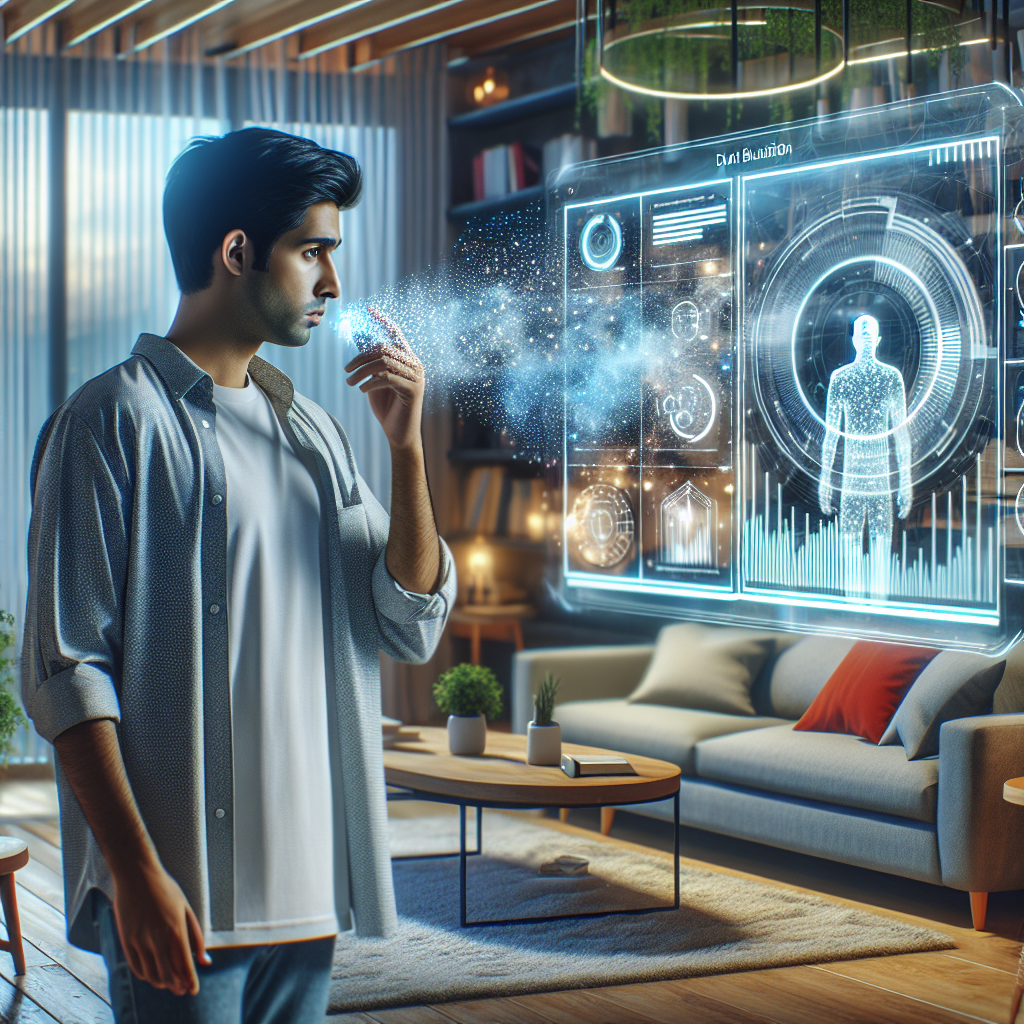
In a world where artificial intelligence is rapidly evolving, a new startup promises to turn the chore of home cleaning into a high-stakes data analysis mission. DustSense, founded in 2025, has just secured $15 million in funding from a coalition of global investment funds aimed at leveraging AI to detect anomalies in household dust patterns. Yes, you read that right—household dust patterns.
Analyzing Dust: The New Frontier of Health Tech
It seems that the tech world has finally run out of ways to revolutionize our lives, and has now turned to our neglected corners. The startup claims that by analyzing the chemical composition and accumulation of dust, it can predict respiratory issues before they even manifest. Quite the ambitious hypothesis for a product that sounds like it was born from a particularly nerdy episode of a home improvement show.
“We’re no longer just cleaning homes; we’re cleaning air quality,” said CEO Jane Dustworthy, offering a vision of the future where even the smallest speck of dust may be a harbinger of doom. “Our AI can understand your lifestyle patterns and alert you to potential health risks. Think of it as your home’s personal air quality alarm system.”
Investment Trends: Dusting Off the Competition
The funding came from a consortium of investors including the notorious ‘Global Neglect Fund’ and ‘Health Risks Are Our Business’ venture capital group. This infusion of cash aims to propel DustSense into a market already seeing significant competition.
- The global AI market is projected to reach $190 billion by 2025.
- Health tech investments alone grew by 30% in the past year.
- The home automation sector is expected to surpass $80 billion in the next five years.
Critics, however, are skeptical. If the dust can’t be seen, can it really be quantified? “This whole thing is absurd,” remarked analyst Tim Sneeze, shaking his head at the latest trend. “Just because we can measure it doesn’t mean we should. What’s next, an app that tracks how many crumbs are under your couch?”
Public Interest and Potential Risks
Public interest in health tech is at an all-time high, especially as consumers become increasingly aware of the role of indoor air quality in overall health. According to the Environmental Protection Agency, indoor air can be two to five times more polluted than outdoor air, which naturally adds to the allure of a product that promises to give users the upper hand against unseen adversaries.
But what happens if this endeavor proves to be more of a boondoggle than a breakthrough? Could this lead to mass paranoia about dust accumulation and unnecessary home renovations? “There’s a fine line between caution and hysteria,” noted Dustworthy, almost as if justifying the impending wave of dust-fearing homeowners.
The Great Dust Debate: Innovations or Irritations?
Indeed, innovation can sometimes lead to irritation. While DustSense aims to raise awareness about indoor pollutants, it also risks promoting an economy of hyper-vigilance. The startup faces the challenge of differentiating its service from mere germaphobia.
As the startup ecosystem continues to flourish, it’s worth questioning whether we really need an AI to tell us that the dust bunnies under our couch could potentially be a health hazard. Perhaps the next big thing isn’t so much AI-driven dust analysis as it is a return to basic cleaning habits. But then again, where’s the fun in that?
Conclusion: A Dusty Future or Just Hot Air?
In a marketplace eager for the next big health tech innovation, DustSense is attempting to carve out a niche by focusing on what most households tend to ignore: dust. Whether this will pave the way for a cleaner future or simply lead to a new level of home anxiety remains to be seen. For now, investors are betting big on the notion that dust may indeed be the next frontier in health technology.
What's Your Reaction?
 Like
0
Like
0
 Dislike
0
Dislike
0
 Love
0
Love
0
 Funny
0
Funny
0
 Angry
0
Angry
0
 Sad
0
Sad
0
 Wow
0
Wow
0



![[This Month's Tip] Elice Group, Kindof, Leviosa AI: Key Updates](https://www.startupkorea.kr/uploads/images/202512/10_dd1f4c2a38634.png)