



Dreaming Big: Startup Promises to Turn Your Nightmares Into Profitable Ventures
By StartupKorea Business Desk | Apr 10, 2026 A New Frontier in Slumber: The Sleep Data RevolutionIn an unprecedented fusion of sleep science and entrepreneurial zeal, the startup 'DreamCrafters' has announced its ambitious project: a dream...


By StartupKorea Business Desk | Apr 10, 2026
A New Frontier in Slumber: The Sleep Data Revolution
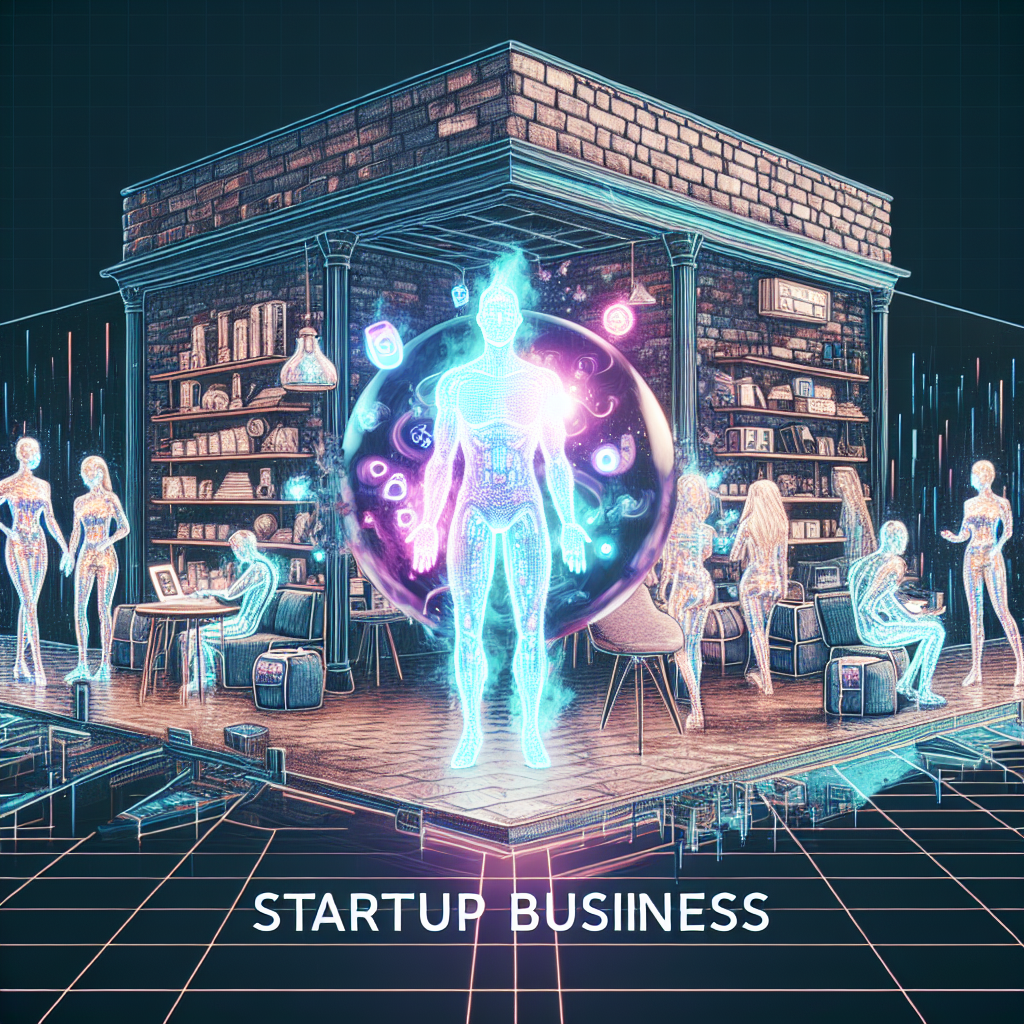
In an unprecedented fusion of sleep science and entrepreneurial zeal, the startup 'DreamCrafters' has announced its ambitious project: a dream curation app that utilizes sleep data to curate dream experiences, all while autonomously controlling drone swarms to monitor user sleep patterns. This visionary project is set to disrupt the wellness industry, with an initial investment round of $10 million secured from avant-garde venture capitalists who evidently believe that the future of dreaming is ripe for commercialization.
How Much Sleep Is Too Much?
The concept, while seemingly absurd, is backed by genuine statistics. The global sleep market is projected to reach a staggering $94 billion by 2026, according to market analysts. 'If we can monetize the one-third of our lives that we spend asleep, we might be looking at a whole new ballpark,' said CEO Lila Davenport, who has reportedly dreamt of this product since childhood.
The Tech Behind the Dreams
Employing cutting-edge autonomous drone technology, DreamCrafters plans to use drones to analyze sleep quality and dream patterns from above—an aerial perspective that surely will not invoke any dystopian concerns. 'We’re creating a symbiotic relationship between the human mind and technology,' explained lead engineer Martin Voss, who was last seen hanging from the ceiling of his office, testing the drones. 'It’s not invasive; it's a revolution in personal data collection.'
Investors Line Up for a Piece of the Dream Pie
Investor enthusiasm has been palpable. 'We're confident that this project financing will yield returns that are only dreamt of in this industry,' stated venture capitalist Ravi Patel, who has taken to referring to his investments as “sleep dividends.” The initial funding round has already attracted 25% more interest than anticipated, with some investors reportedly offering their futures—quite literally—as collateral.
Market Context: A Sleeping Giant Awakens
As the technology sector continues to pivot towards wellness, the dream curation app stands at the intersection of these lucrative trends. With 68% of Americans reportedly not getting enough sleep, the potential user base is vast. Yet, skepticism abounds. Critics argue that the monetization of sleep may lead to ethical quandaries surrounding privacy and mental health. 'Are we really ready to commodify our subconscious?' asked Dr. Helen Grayson, a sleep researcher at a prestigious university, who has inadvertently become the voice of reason in this surreal venture.
Risks and Retorts: A Dream Too Far?
Despite the apparent enthusiasm, risks loom large. The viability of a business model that banks on accurately interpreting dreams—those ephemeral narratives of the nighttime realm—is speculative at best. Analysis from industry experts reveals that 45% of startups focusing on sleep technology fail within their first five years, highlighting the precarious nature of this bold venture.
Moreover, the autonomous drone aspect has raised eyebrows among privacy advocates. 'It’s one thing to have your dreams curated; it’s another to have them surveilled,' cautioned privacy analyst Tom Fennel, adding a note of caution to the otherwise flashy announcement.
The Bottom Line: Dream or Nightmare?
In conclusion, 'DreamCrafters' is treading a fine line between visionary innovation and whimsical folly. As the app prepares to launch in late 2026, the industry waits with bated breath—will we all soon be living in a world where our dreams can be tailored, monetized, and drone-monitored? Only time will tell if this startup will be a flight of fancy or a soaring success.
- Projected global sleep market: $94 billion by 2026
- Initial investment: $10 million
- Investor interest: 25% above expectations
- Failure rate for sleep startups: 45% within five years
What's Your Reaction?
 Like
0
Like
0
 Dislike
0
Dislike
0
 Love
0
Love
0
 Funny
0
Funny
0
 Angry
0
Angry
0
 Sad
0
Sad
0
 Wow
0
Wow
0


![[This Month's Tip] Elice Group, Kindof, Leviosa AI: Key Updates](https://www.startupkorea.kr/uploads/images/202512/10_dd1f4c2a38634.png)