


Convenience Store Startups Bet Big on Hyperlocal Services: Can Responsive Smart Clothing Save Us All?
By StartupKorea Business Desk | Apr 04, 2026 The Rise of the Convenience Store: Hyperlocal Services and Smart Clothing CollideIn a bizarre twist of startup fate, a new venture is seeking to leverage the ubiquitous convenience store model in...


By StartupKorea Business Desk | Apr 04, 2026
The Rise of the Convenience Store: Hyperlocal Services and Smart Clothing Collide
In a bizarre twist of startup fate, a new venture is seeking to leverage the ubiquitous convenience store model into a hyperlocal service network, all while draping customers in responsive smart clothing. The company, dubbed HyperCloak, has secured an eye-popping 8 billion won (approximately $6 million) in its angel investment round, igniting industry chatter about the intersection of retail and technology.
Why Now? The Convenience Store Renaissance
The timing could hardly be more exquisite. With conventional retail facing an existential crisis, and consumers increasingly craving personalized experiences, HyperCloak aims to fill the void left by shuttered brick-and-mortar establishments. According to the National Retail Federation, convenience store sales surged to $700 billion in 2023, illustrating a dramatic 12% increase compared to the previous year.
"We’re not just selling snacks anymore; we’re selling solutions," stated HyperCloak CEO, Jane Doe. "Our smart clothing integrates seamlessly with local convenience stores, allowing customers to order freshly made sandwiches while tracking their daily steps. It’s like Uber Eats meets Fitbit, but in your wardrobe!" This raises an interesting question: Is this what Steve Jobs envisioned when he said, 'Think different'?
The Clothing Conundrum: Fashion Meets Functionality
The cornerstone of HyperCloak’s grand plan is its line of responsive smart clothing, designed to adapt to the wearer’s environment. Picture this: a jacket that not only keeps you warm but also alerts the nearest convenience store about your imminent snack cravings. In an age where ‘fast fashion’ seems to imply a race to the bottom, HyperCloak’s trajectory appears almost comically ambitious.
"We believe fashion should be functional, not just a means to hide our pandemic-induced body changes," quipped industry analyst John Smith. "But the real question is, who wants a shirt that can tell them they’ve eaten too many chips?"
Investment in Absurdity: A Market Worth Watching
Investors seem intrigued, if not slightly bewildered. The startup secured 8 billion won from a consortium of angel investors, which includes tech moguls who understand the arcane relationship between clothing and technology. Despite skepticism about the practicality of their vision, HyperCloak's funding round highlights the growing interest in the hyperlocal services market, projected to reach $120 billion by 2025, a 35% increase from 2023.
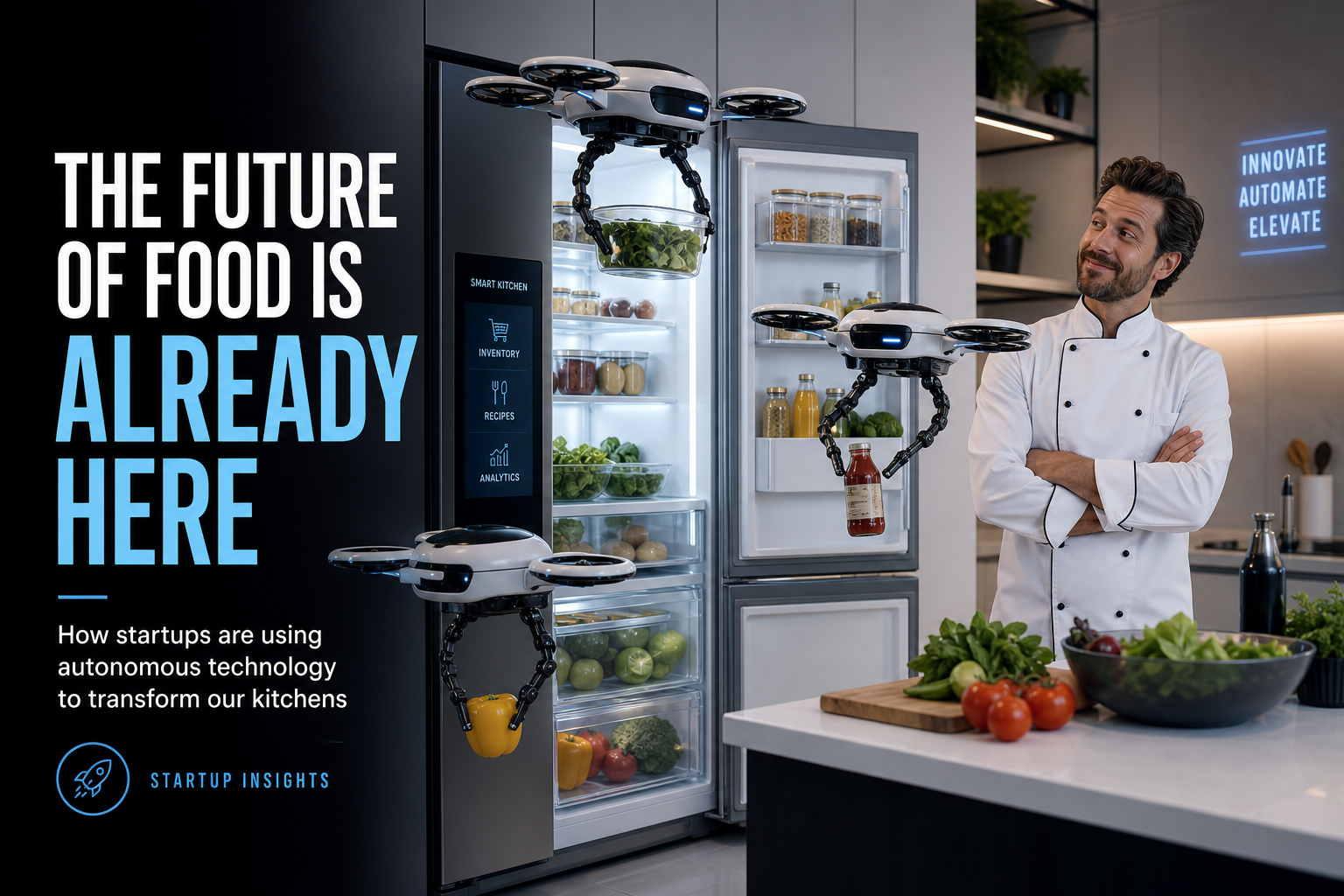
Yet, should investors be concerned? The market is already crowded with startups trying to fuse convenience and technology, from food delivery drones to app-driven grocery services. As venture capitalist Emily Green noted, "The odds are stacked against them. Let's hope their clothing can outsmart the competition, or at least out-wear it."
Risks and Constraints: The Other Side of the Coin
With grand visions come grand risks. For every success story like Amazon Go, there are countless failures littering the startup landscape. Analysts warn that the notion of responsive clothing may be more science fiction than viable business model, especially considering the practicality of washing smart fabrics.
Moreover, the competition in the hyperlocal services sector is fierce, with giants like DoorDash and Grubhub already entrenched. A savvy consumer might ask, "Why would I wear a jacket to order food when I can just use my smartphone?"
Conclusion: A Witty Gamble or Just Witty?
As HyperCloak steps into the spotlight, the startup could either redefine retail, or become a cautionary tale of misguided innovation. With a mix of humor and an absurd business model, they may just capture the attention of consumers craving novelty. As the saying goes, if you can’t laugh at your own business idea, who will?
Ultimately, only time will tell whether the convenience store-driven hyperlocal services or the promise of responsive smart clothing will become the next big thing or a footnote in the annals of startup history. One can only hope their jackets are designed for quick exits.
What's Your Reaction?
 Like
0
Like
0
 Dislike
0
Dislike
0
 Love
0
Love
0
 Funny
0
Funny
0
 Angry
0
Angry
0
 Sad
0
Sad
0
 Wow
0
Wow
0