



Can a Game Boost Your Memory? Startups Bet Big on Emotion Recognition and Global Cash Infusion
By StartupKorea Business Desk | Mar 09, 2026 Startups Chase the Elusive Memory Enhancement Through PlayIn a dazzling display of entrepreneurial ambition, the startup MemoryX has unveiled its latest brainchild—a memory enhancement gaming pla...


By StartupKorea Business Desk | Mar 09, 2026
Startups Chase the Elusive Memory Enhancement Through Play
In a dazzling display of entrepreneurial ambition, the startup MemoryX has unveiled its latest brainchild—a memory enhancement gaming platform that claims to supercharge your cognitive abilities while you simultaneously dodge virtual bullets. With a hefty backing of $50 million from a consortium of global investment funds, the platform promises to exploit the burgeoning field of real-time emotion recognition technology.
The Improbable Confluence of Gaming and Cognition
MemoryX’s CEO, Jordan Sinclair, enthused, "We’re not just playing games; we’re redefining the way humans interact with their own cognitive capabilities. Who knew that dodging digital enemies could lead to a sharper memory?" Indeed, the intersection of ludicrous gaming and neural enhancement has piqued the interest of both investors and neuroscientists, leading to a veritable gold rush in the startup arena.
Global Investment Trends Favor the Absurd
The global market for memory enhancement products is projected to reach $8 billion by 2028, growing at a compound annual growth rate of 10%. As MemoryX sets its sights on capturing this lucrative segment, the infusion of global funds highlights a troubling trend: investors seem uniquely drawn to the most extravagant startups. "If they're willing to throw money at emotional recognition tech, what’s next? A fitness app that offers Pilates classes in space?" remarked financial analyst Louisa Chen.
Emotion Recognition: The New Frontier
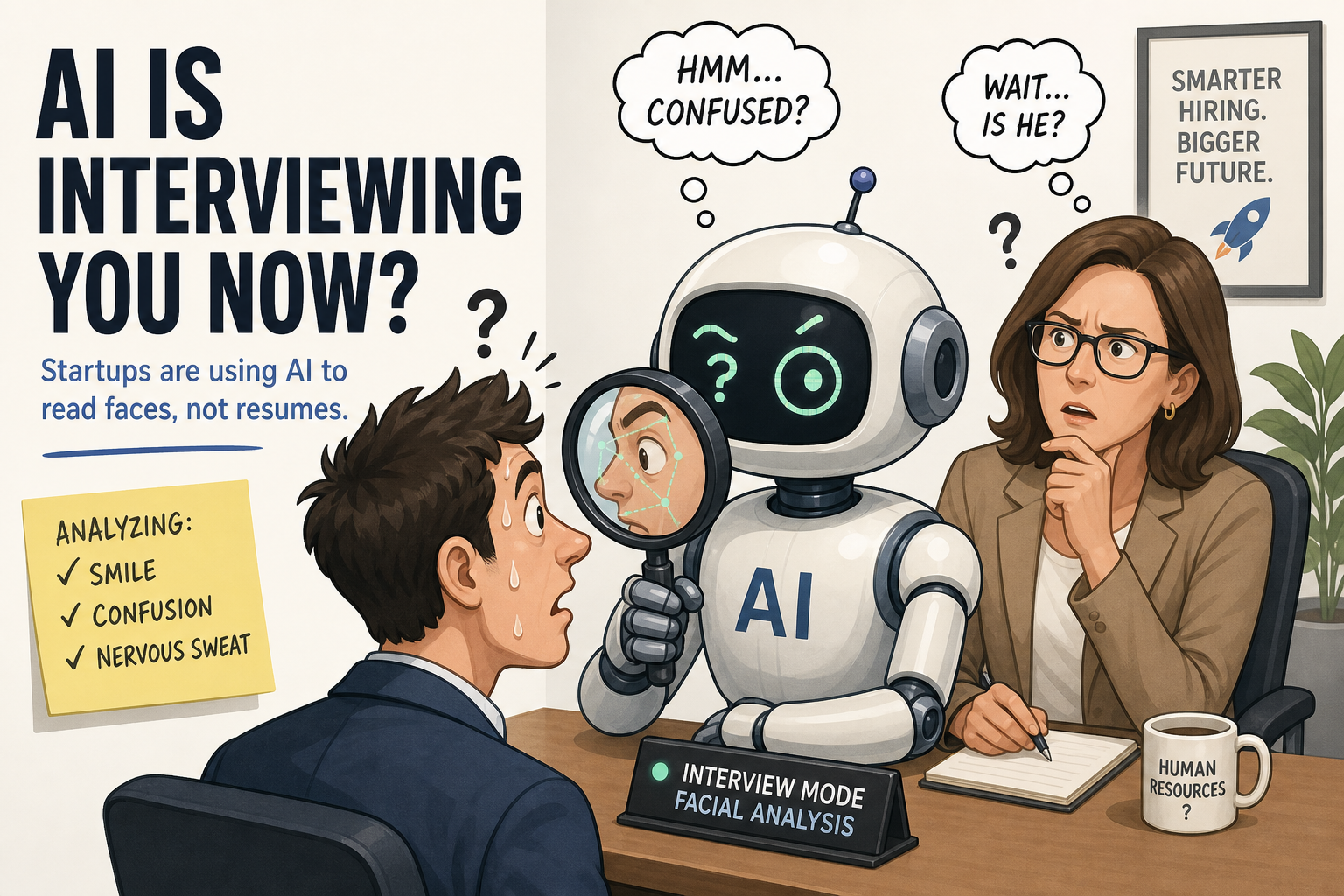
At the heart of MemoryX’s approach is a cutting-edge real-time emotion recognition engine that purportedly gauges players’ emotional states to tailor their gaming experience accordingly. According to the startup, the platform not only enhances memory recall through gameplay mechanics but also adapts challenges based on the user’s emotional feedback. In simpler terms, if you’re feeling sad, the game might just throw in an unexpected puppy to cheer you up—because nothing says memory enhancement like a digital dog.
The Risks of Riding the Hype Train
However, not all stakeholders are sipping the Kool-Aid. Critics suggest that while the marriage of gaming and cognitive science sounds revolutionary, it may be built on shaky ground. Dr. Emily Carter, a neuropsychologist wary of the hype, cautioned, "Games are great, but they don't replace traditional methods of cognitive improvement. We need empirical evidence, not just emotional appeals wrapped in flashy graphics."
Counting the Costs
Additionally, as investors flock to MemoryX, questions arise about sustainability. MemoryX’s ambitious projections rely heavily on gameplay engagement, yet studies show that 70% of mobile games fail to retain users after the first month. The stakes are high, and a failure to captivate players could lead to a high-profile crash, leaving a trail of confused investors questioning their life choices.
The Bottom Line: An Absurd Future?
As MemoryX prepares for its launch later this year, the tension between the promise of enhanced cognitive capabilities through play and the realities of user engagement looms large. Investors are betting that this platform will not only change the gaming landscape but also redefine how we perceive our memories—one puppy at a time. In the end, as we toss our hard-earned cash into the pit of digital distraction, one must wonder if this venture into memory enhancement is a leap of faith or simply a leap into absurdity.
- Global market for memory enhancement projected to reach $8 billion by 2028
- MemoryX’s initial funding round raised $50 million
- 70% of mobile games fail to retain users after one month
What's Your Reaction?
 Like
0
Like
0
 Dislike
0
Dislike
0
 Love
0
Love
0
 Funny
0
Funny
0
 Angry
0
Angry
0
 Sad
0
Sad
0
 Wow
0
Wow
0