

Behavioral Economics: A Potential Lifeline for Small Businesses Amid Economic Challenges
Behavioral Economics: A Potential Lifeline for Small Businesses Amid Economic Challenges By Startup Korea Research Desk | May 27, 2026 The landscape for small businesses has become increasingly precarious in recent years, with economic pressures...

Behavioral Economics: A Potential Lifeline for Small Businesses Amid Economic Challenges
By Startup Korea Research Desk | May 27, 2026
The landscape for small businesses has become increasingly precarious in recent years, with economic pressures such as inflation, changing consumer preferences, and the aftermath of global disruptions. As a result, innovative approaches to support these enterprises are gaining traction, particularly in the realm of behavioral economics. This analysis explores the potential of behavioral economics as a strategic tool for small businesses, the associated risks, and the implications for investors and founders.
The Current State of Small Businesses
According to data from the Small Business Administration, approximately 20% of small businesses fail within their first year, and only about 50% survive beyond five years. These statistics underscore the urgent need for effective support mechanisms. The challenges faced by small business owners are multifaceted, often stemming from a combination of external economic factors and internal decision-making processes.
Behavioral Economics: Understanding Decision-Making
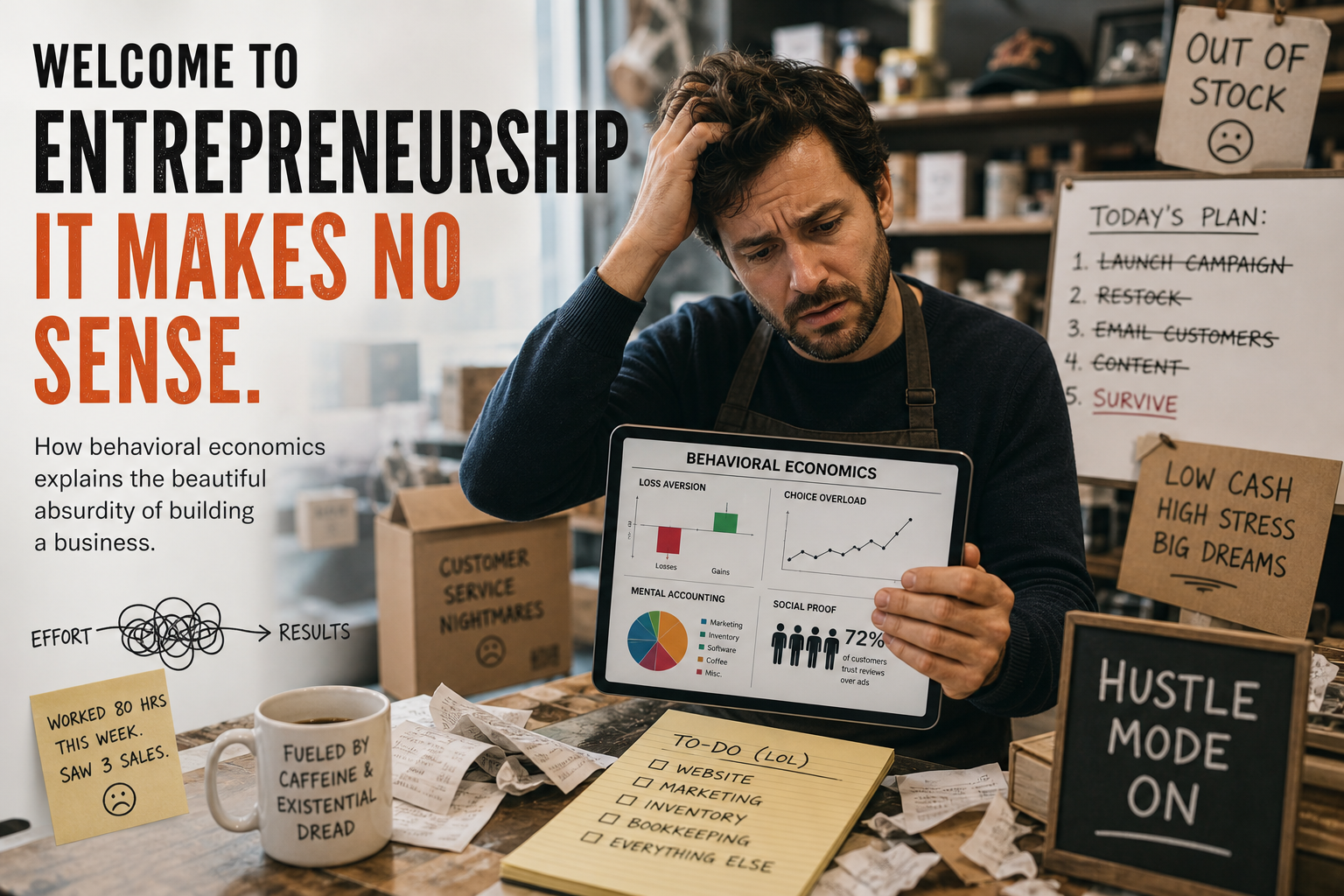
Behavioral economics combines insights from psychology and economics to understand how individuals make decisions. It acknowledges that human behavior is often irrational and influenced by cognitive biases. For small business owners, these biases can lead to suboptimal decision-making, which may exacerbate financial difficulties.
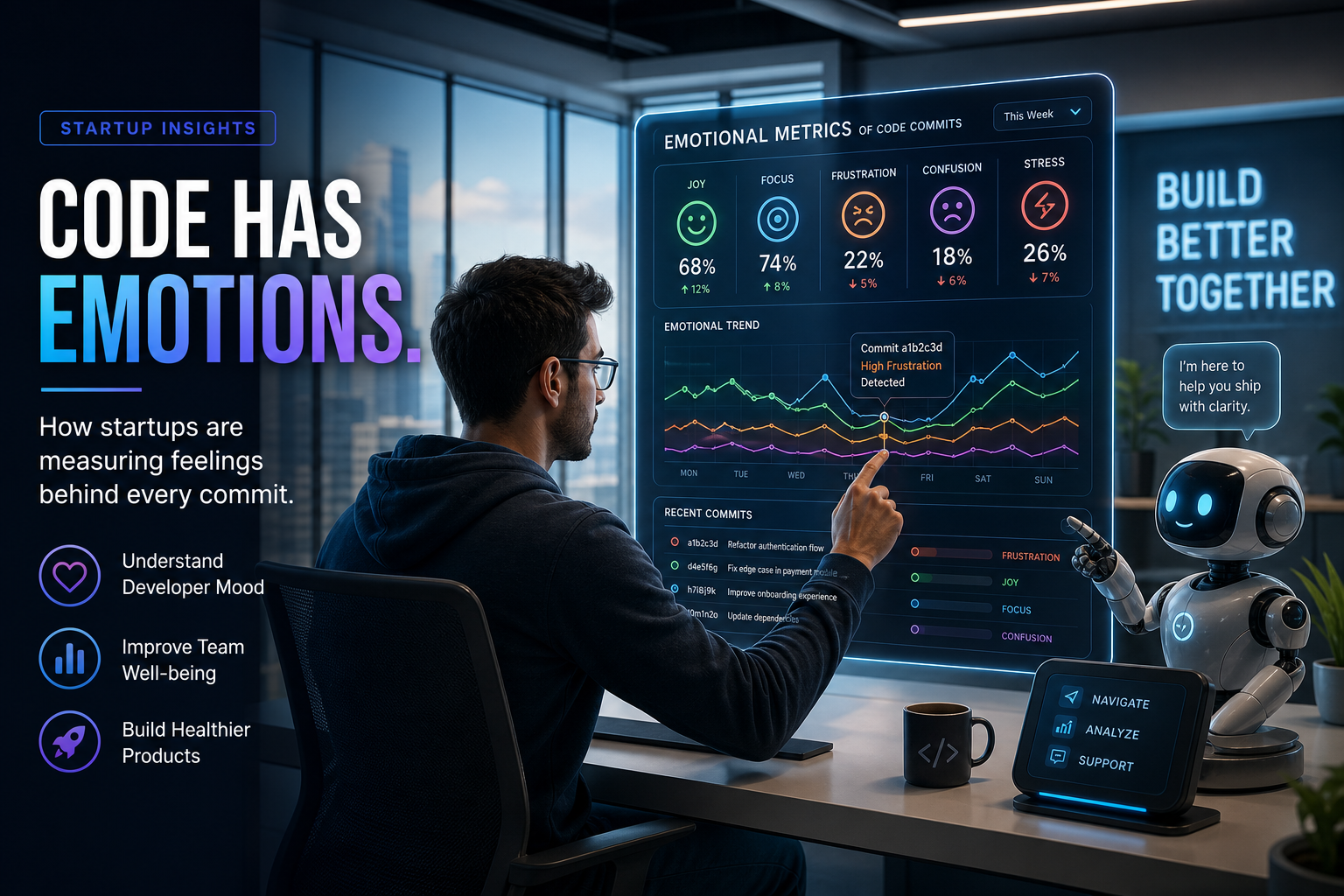
By leveraging behavioral economics, startups can develop platforms that provide actionable insights to help small business owners navigate their decision-making processes more effectively. This could involve analyzing patterns in spending, pricing strategies, and customer engagement to identify areas for improvement.
Market Trends and Opportunities
The integration of behavioral economics into business support platforms presents a significant market opportunity. As small businesses continue to grapple with economic uncertainty, there is a growing demand for innovative solutions that can enhance their resilience. Investors are increasingly recognizing the potential of technology-driven approaches to address these challenges.
- Increased Investment Interest: The influx of capital into startups focusing on behavioral economics indicates a shift in investor sentiment. Many are eager to support ventures that promise to deliver tangible benefits to small businesses.
- Technological Advancements: The rise of data analytics and machine learning provides the tools necessary to develop sophisticated behavioral insights, making it easier for startups to create effective solutions.
- Focus on Sustainability: As small businesses seek to adapt to changing market conditions, there is a heightened emphasis on sustainable practices. Behavioral economics can play a role in promoting more responsible decision-making.
Adoption Risks and Challenges
While the potential benefits of applying behavioral economics to support small businesses are promising, there are inherent risks and challenges that must be addressed:
- Resistance to Change: Small business owners may be hesitant to adopt new methodologies, particularly if they are accustomed to traditional decision-making processes.
- Data Privacy Concerns: The collection and analysis of behavioral data raise ethical considerations regarding privacy and consent, which must be navigated carefully.
- Scalability Issues: Solutions that work for one business may not be universally applicable. Startups must ensure their platforms can be tailored to various industries and business models.
Investor Diligence and Founder Strategy
For investors, diligence is crucial when evaluating startups that aim to leverage behavioral economics. Key considerations include:
- Founder's Expertise: Investors should assess the founder's background and experience in both behavioral economics and small business operations.
- Market Fit: Understanding the specific needs of small businesses in different sectors will be vital for the success of any proposed solution.
- Long-Term Viability: Investors should consider the scalability of the business model and the potential for sustained growth in a competitive landscape.
For founders, developing a clear value proposition that resonates with small business owners is essential. This involves not only demonstrating how behavioral insights can lead to better decision-making but also building trust and credibility within the small business community.
Conclusion
The intersection of behavioral economics and small business support presents a compelling opportunity for innovation. As economic pressures continue to challenge small enterprises, the application of behavioral insights could provide a much-needed lifeline. However, both investors and founders must navigate the complexities of this emerging field with diligence and strategic foresight.
Editor's note: This article is original market analysis and not investment advice.
What's Your Reaction?
 Like
0
Like
0
 Dislike
0
Dislike
0
 Love
0
Love
0
 Funny
0
Funny
0
 Angry
0
Angry
0
 Sad
0
Sad
0
 Wow
0
Wow
0